Almaty Region Reveals Top 3 Tourist Destinations as Visitor Numbers Surge
Kazakhstan’s Almaty region is experiencing a tourism boom. New data reveals the top three destinations drawing record crowds. The region welcomed over 530,000 visitors in just nine months of 2025.
Domestic tourism is the primary driver of this growth. A total of 520,995 Kazakh tourists visited the region. This represents a remarkable 38 percent increase from the previous year.
“Residents of the country are increasingly choosing to vacation here,” said Kuanyshbek Mirambekuly, head of the regional tourism department. The region now accounts for 6.8 percent of the nation’s total tourist flow.
International visitors are also returning in force. Foreign tourist numbers reached 9,440 people, a 40.1 percent jump. The region now ranks third for foreign visitors, behind only Almaty city and Astana.
The Top Three Destinations
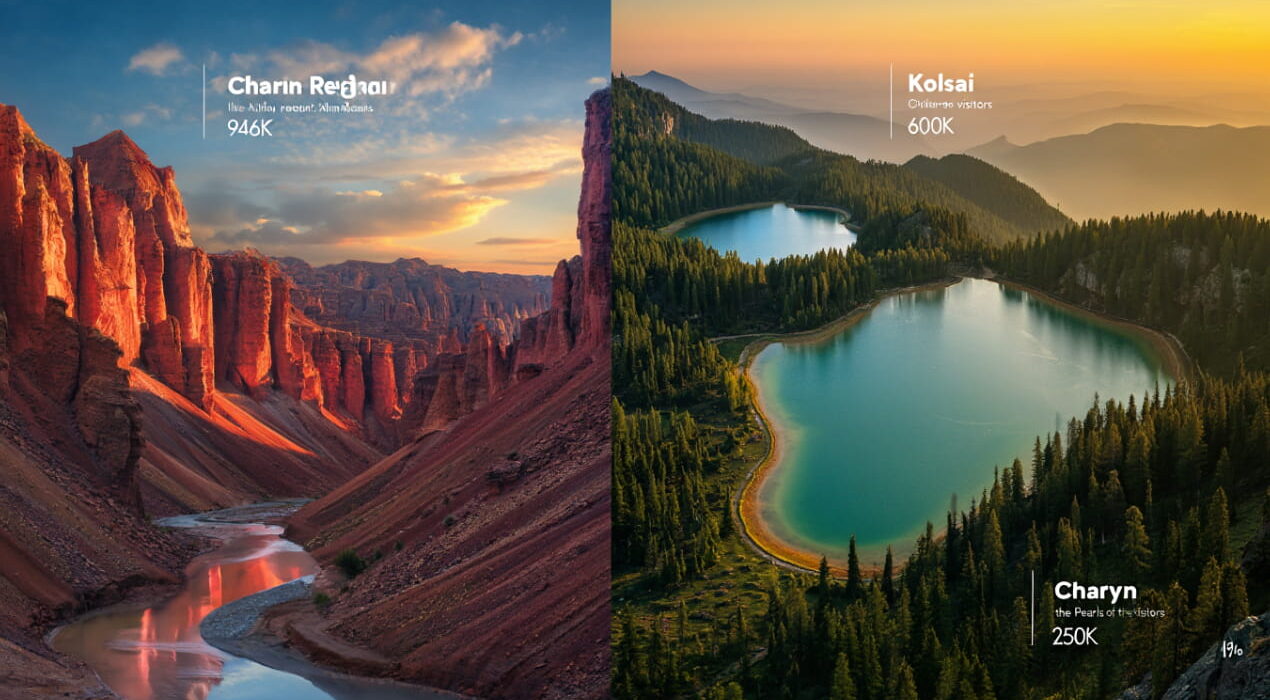
The Ile-Alatau National Park leads by a massive margin. Nearly 946,000 people spent their vacation there last year. Its proximity to the former capital makes it an accessible nature escape.
The Kolsai Lakes National Park ranks second. This stunning destination attracted over 600,000 visitors. Known as the “Pearls of the Northern Tien Shan,” its beauty continues to draw crowds.
Charyn Canyon completes the top three with explosive growth. Visitor numbers more than doubled, reaching nearly 250,000 people. Often compared to the Grand Canyon, its dramatic red rock formations are gaining international fame.
Strong Economic Impact
The region’s tourism infrastructure is expanding to meet demand. There are now 283 accommodation facilities operating across Almaty region. The volume of services provided reached 12.3 billion tenge, a 50 percent increase.
Tourism’s contribution to the regional economy is now substantial. The sector accounts for 5.4 percent of regional GDP. This represents 198.5 billion tenge in economic activity.
The data confirms a clear trend. Almaty region is no longer just a transit point. It is becoming a destination in its own right, with nature as its greatest asset.