Ancient Bones Uncover Europe’s Oldest War Victory Rituals
Scientists have uncovered chilling victory rituals from Europe’s earliest wars. They analyzed bones from 6,000-year-old mass graves in France. The findings reveal staged violence, not random brutality.This research changes how we view prehistoric conflict. It shows violence had deep social meaning.
A Grisly Archaeological Discovery
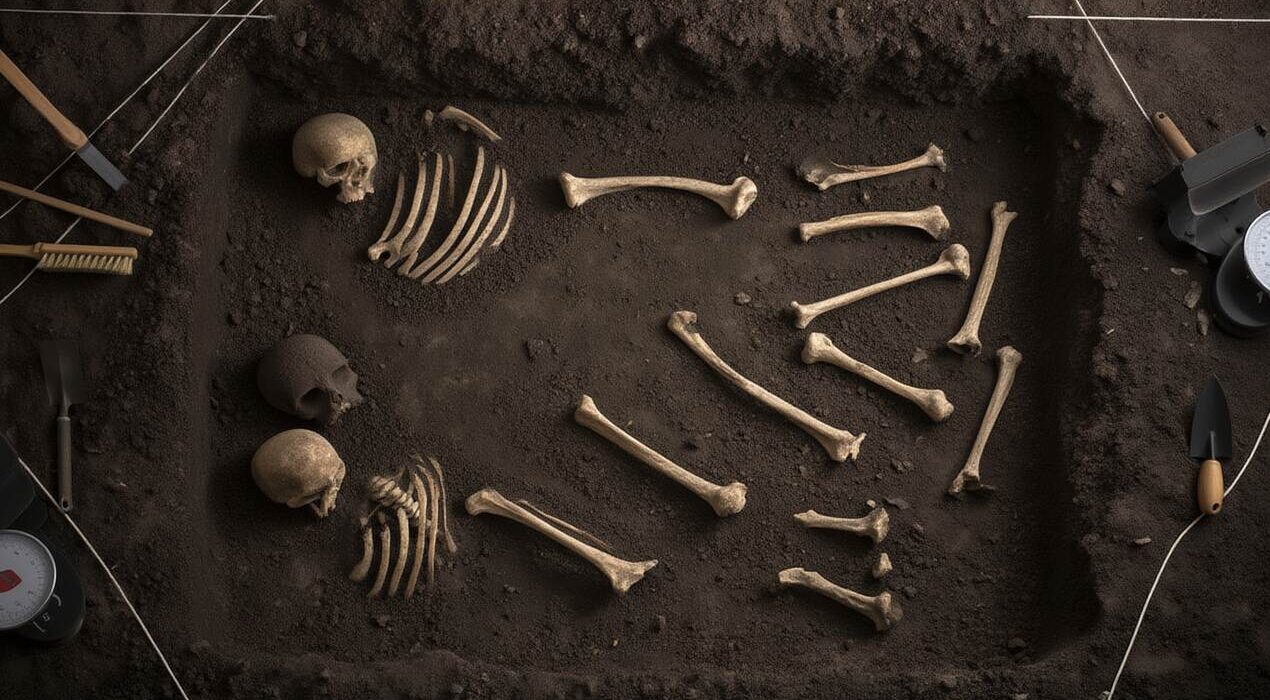
Researchers found two types of remains at Neolithic sites. First, they discovered pits filled with severed left arms. Second, they found complete skeletons showing extreme violence.This pattern was highly organized. Therefore, it points to deliberate ritual, not chaotic fighting.
Chemical Stories in Bones and Teeth
Scientists used advanced isotope analysis on the bones. This technique reveals a person’s diet and origins. They compared the victims to local population burials.The chemical clues showed clear differences. Consequently, they proved the victims were outsiders.
A Two-Part Ritual of Power
The data suggests a structured, two-level ceremony after battle. Local enemies killed in combat were dismembered. Their limbs became trophies.However, captives from distant areas faced violent public execution. This was likely a power display for the community.These acts were political theatre, not just warfare. The rituals aimed to shame enemies and unite the victors. They created lasting social memories.
In summary, early violence served complex symbolic purposes. This study helps us understand the deep roots of ritual and conflict in human societies.