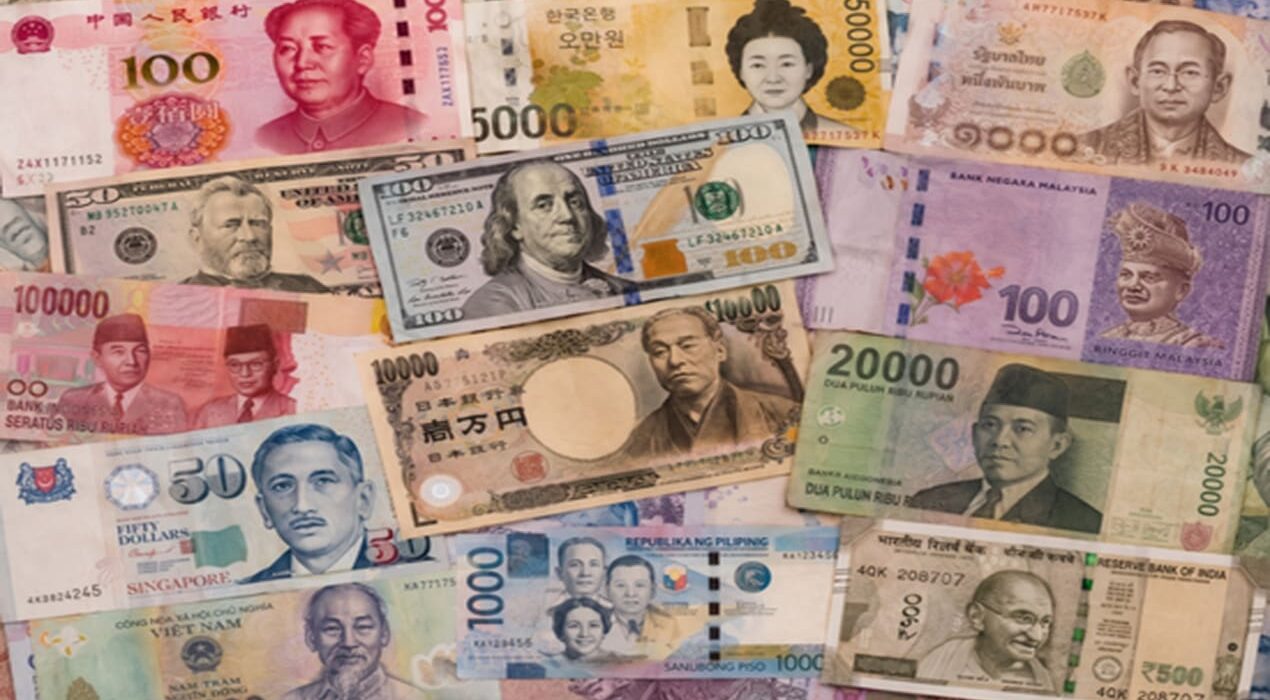
Asian Currency Gains as Dollar Weakens
Asian currency gains appeared on Tuesday as the U.S. dollar weakened. This shift helped regional currencies stay stable. In addition, softer U.S. data reduced chances of a rate hike. As a result, investors showed cautious optimism. However, rising oil prices still created concern. The ongoing Middle East tension pushed crude prices higher.
Regional Currencies Show Mixed Moves
The Taiwan dollar rose slightly and reached a two-l month high. Similarly, the South Korean won gained value during the session. These moves reflected improving confidence in select markets. Meanwhile, the Malaysian ringgit also strengthened. On the other hand, the Philippine peso declined again. It marked its fourth straight loss, showing uneven regional performance. In addition, the Thai baht and Singapore dollar slipped slightly. Therefore, overall gains remained limited across Asia. The MSCI emerging market currency index stayed mostly unchanged.
Higher oil prices often impact Asian economies. Many countries depend on imported energy. Therefore, rising costs increase financial pressure. As a result, current-account deficits may widen. This trend can weaken currencies over time. However, the softer dollar helped balance some of this pressure.
Focus Shifts to Indonesia
Investors now look toward Indonesia’s central bank decision. Experts expect no change in interest rates. The benchmark rate may stay at 5.75%. Previously, Indonesia surprised markets by pausing rate hikes. In addition, officials introduced steps to attract foreign investment. These actions aim to support the local currency. However, concerns remain about market transparency. Earlier, MSCI warned of a possible downgrade. Since then, Indonesia has introduced reforms to improve access.
Stocks Reflect Market Sentiment
Indonesian stocks rose, outperforming regional peers. This increase followed earlier heavy losses this year. Meanwhile, the rupiah weakened slightly after recent gains. Elsewhere, Asian stock markets showed mixed results. Taiwan and South Korea markets declined. Similarly, Singapore and Philippine shares also dropped. Therefore, market sentiment stayed cautious overall. Investors continue to balance global risks and local factors