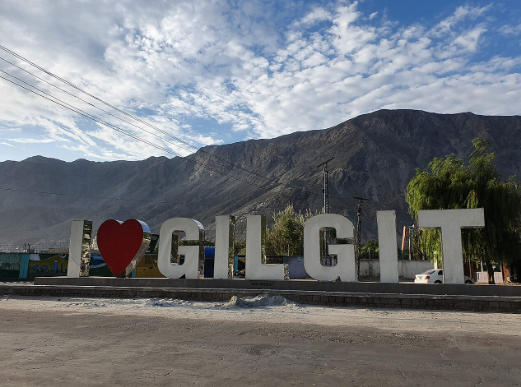
Tourism across South Asia is expanding rapidly, with India, Sri Lanka, Nepal, Bhutan, and Pakistan all reporting significant growth in 2024. These countries have capitalized on political stability, stronger infrastructure, and a wide variety of attractions. In sharp contrast, Bangladesh’s tourism industry is shrinking, struggling under political unrest, safety concerns, and repeated security threats.
One of the most damaging issues has been attacks on cultural heritage sites and traditional events, often linked to extremist groups. Tourists view the country as unsafe, and the lack of accountability for such violence has further eroded confidence. Experts frequently describe Bangladesh as an “unfriendly” destination due to weak infrastructure, limited attractions, and unstable political conditions.
The numbers reflect this decline. Tourism makes up only 3 percent of Bangladesh’s GDP, compared to much higher contributions in neighboring countries. While some South Asian nations generate tens of billions of dollars from tourism, Bangladesh’s revenue is under USD 3 billion. The country attracted only about 650,000 foreign visitors in 2024, well below regional averages.
The World Economic Forum ranked Bangladesh 109th in its 2024 Travel and Tourism Development Index, down from 100th in 2021. This reversal comes after years of gradual improvement and places Bangladesh behind regional competitors like Pakistan, which earned nearly USD 20 billion from tourism last year.
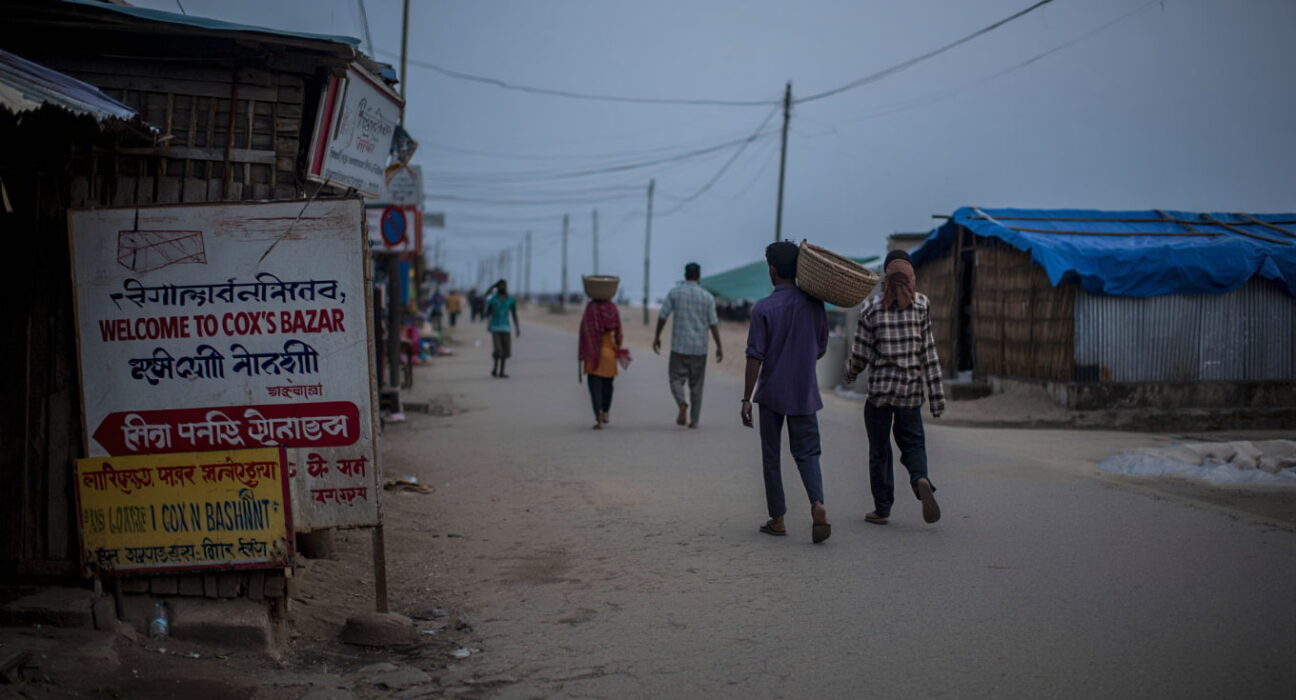
Other obstacles include recurring unrest in the Chittagong Hill Tracts, the refugee presence in Cox’s Bazar, and the absence of diverse attractions that could keep visitors engaged. The upcoming February 2025 elections are expected to bring further instability, with protests, strikes, and violent clashes likely to deter travelers. Without restored political stability and meaningful reforms, Bangladesh will remain behind its South Asian neighbors in global tourism.
Bangladesh Tourism Declines as South Asian Neighbors Thrive in 2024