Bed Nets Alone Not Enough, Scientist Urges Kenya to Rethink Malaria Fight
Bed nets remain an important tool against malaria. However, a scientist says Kenya needs a broader strategy to fight the disease.
The warning comes as malaria continues to affect communities across Kenya. According to the scientist, relying only on bed nets may not provide enough protection.
Kenya needs a wider malaria strategy
Bed nets help prevent mosquito bites during sleep. They can reduce exposure to mosquitoes that spread malaria.
However, mosquitoes can bite people at different times and in different places. Therefore, communities need several protection methods to reduce malaria transmission.
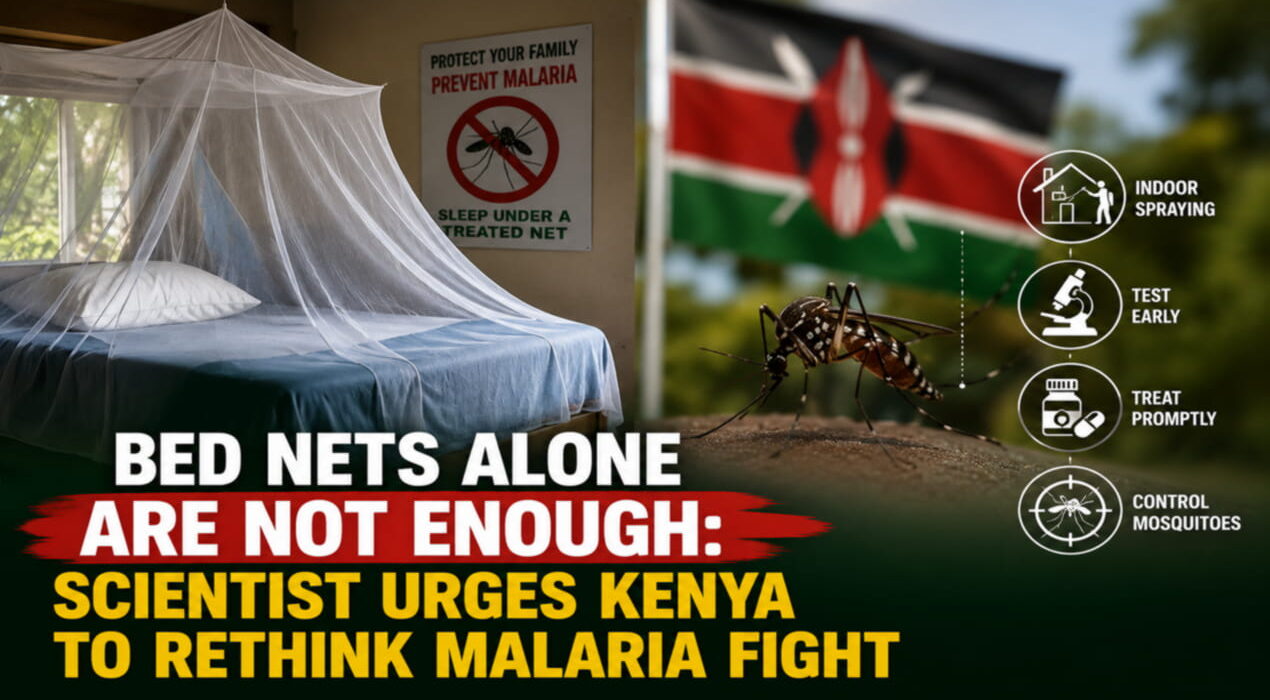
Health teams can combine bed nets with indoor spraying and mosquito control. In addition, better testing can help identify infections early.
Quick treatment also plays an important role. People with malaria symptoms should seek medical care and get tested.
Researchers can also monitor mosquito populations and track changes in transmission. This information can help health authorities target control efforts more effectively.
Prevention needs community action
Communities can support malaria control by reducing places where mosquitoes breed. For example, clearing standing water can help limit mosquito breeding sites.
People should also use mosquito protection when outdoors. Wearing long clothing and using approved mosquito repellents can provide extra protection.
Meanwhile, health authorities can strengthen public awareness campaigns. Clear information can help families understand malaria risks and prevention methods.
The scientist’s message highlights the need for a combined approach. Bed nets remain useful, but they should work alongside other prevention measures.
As a result, Kenya could improve malaria control by combining prevention, testing, treatment and mosquito surveillance.
A stronger strategy may also help protect vulnerable communities. Continued investment in malaria research and public health programmes remains important.
The fight against malaria requires cooperation between health workers, researchers, communities and policymakers. Together, these efforts can help reduce infections and save lives.