Biological Aging May Drive Early-Onset Cancer in Young Adults, Study Finds
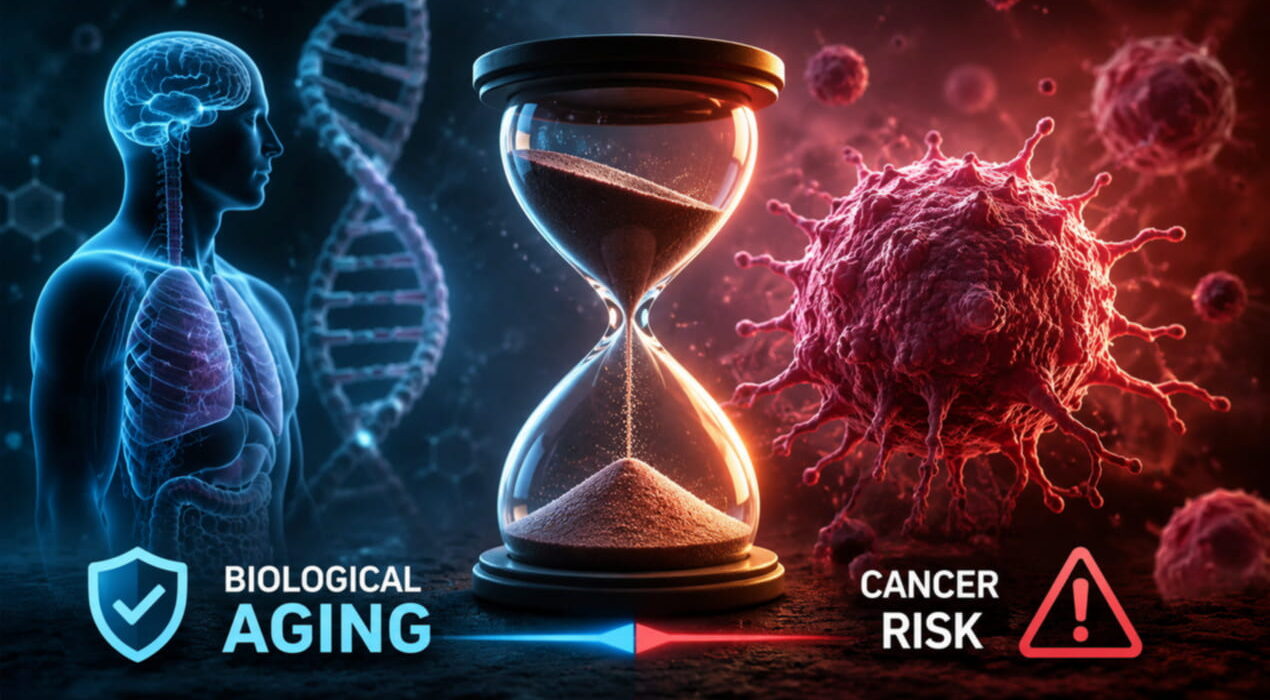
Scientists have found that Biological Aging Cancer may explain why more young adults are developing cancer before age 50. A major study published in Nature Medicine suggests younger generations are aging faster at the cellular level than people of the same age in earlier decades. As a result, their risk of several cancers appears to increase.
Researchers from Washington University analyzed health data from more than 160,000 people in the United Kingdom and the United States. They measured biological age using blood biomarkers instead of counting years lived. The findings showed that people born in recent decades had a much higher biological age than expected. Therefore, experts believe faster aging could contribute to the growing number of early-onset cancer cases worldwide.
Faster aging linked to higher cancer risk
The study found that higher biological age increased the risk of several cancers before age 55. These included lung, digestive system, and uterine cancers. In addition, every rise in the biological age score raised the overall risk of early-onset solid cancers by about eight percent.
Researchers also adjusted for smoking, obesity, genetics, and other known risk factors. However, the connection remained strong. This suggests accelerated aging itself may play an important role in cancer development. Experts added that healthcare systems may need earlier screening because more younger adults are receiving late-stage diagnoses.
Healthy habits may reduce risk
Although scientists still need more research, they believe lifestyle choices influence biological aging. For example, poor diet, inactivity, obesity, disrupted sleep, and environmental chemicals may speed up aging. On the other hand, healthy habits could help reduce risk.
Experts recommend eating balanced meals, staying physically active, avoiding tobacco, limiting alcohol, maintaining a healthy weight, and getting enough sleep. Regular cancer screening also improves early detection. Therefore, simple daily lifestyle changes may support healthier aging and lower future cancer risk for many people.