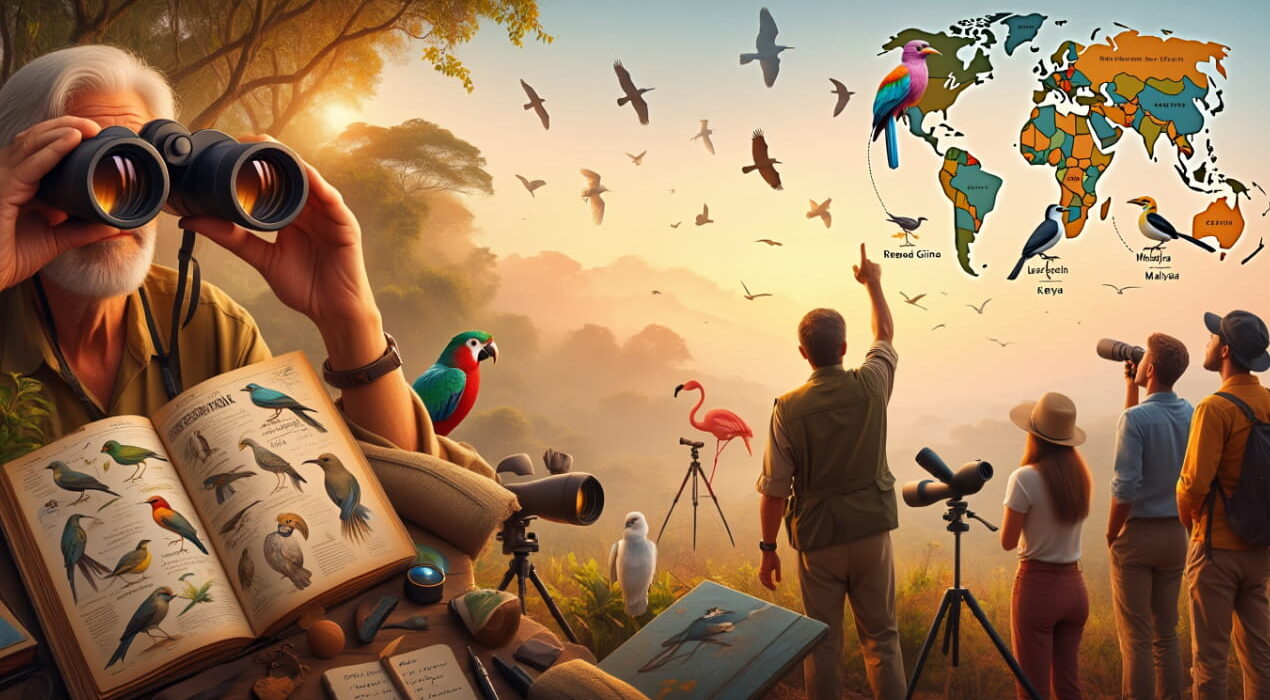
Birdwatching Tourism Soars, Becoming a Multibillion-Dollar Eco-Tourism Powerhouse
Birdwatching has evolved into a major global industry. It is now one of the fastest-growing segments of eco-tourism, attracting millions of dedicated enthusiasts every year. The market size was valued at approximately $66.2 billion in 2024 and is projected to reach $95.2 billion by 2030.
This surge is driven by heightened environmental awareness and a demand for sustainable travel. Enthusiasts increasingly seek destinations rich in avian biodiversity, such as Costa Rica, Kenya, Malaysia, and Egypt. This form of tourism provides vital economic support for local communities while offering unparalleled access to diverse ecosystems.
Fayoum, Egypt: A Case Study in Potential
In Egypt, the Fayoum region exemplifies this potential. Swiss specialist Nina Prochazka, who helped launch early eco-tourism projects there, calls Fayoum exceptional. It blends serene rural landscapes, lakes, bird reserves, and pristine fossil-rich deserts.
“The visitors are often ornithologists or professional amateurs,” Prochazka explains, noting they primarily come from the UK, Canada, and the USA. These travelers arrive with advanced equipment and detailed plans, drawn by the chance to observe rare or regional species difficult to see elsewhere.
From Amateur Passion to Professional Discovery
The appeal isn’t limited to experts. Amateurs like George, a Colombian renewable energy professional working in Egypt, find deep enjoyment in the hobby. For him, birdwatching bridges professional necessity—monitoring birds near wind farms—with a personal passion for photography.
The transformative power of guided local expertise is a common theme. George credits trained guides with turning a potential frustration into a profound experience, helping identify species and understand behaviors.
This local knowledge can lead to major scientific contributions. Ahmed Mansour, a Fayoum guide, began his journey through a serendipitous training program. His patient observation has yielded rare discoveries, including documenting a genetically mutated black Greater Flamingo in 2015 and recording the first-ever migration of the Tundra Swan in Africa in 2024.
Essential Tips for Aspiring Birdwatchers
For those new to birdwatching, Prochazka offers essential advice. She stresses that it requires patience and curiosity, not speed. Key tips include:
-Go with a local guide for deeper insight into habitats and species.
-Start with common birds to build confidence.
-Move slowly and calmly to avoid startling wildlife.
-Don’t worry about expensive equipment initially; guides often provide scopes.
-Enjoy the entire natural scenery, not just the birds.
The rise of birdwatching tourism represents a powerful convergence of economic opportunity, scientific discovery, and sustainable travel, fostering a deeper connection to the natural world.