Bolivia Flexible Exchange Rate Shift Ends Dollar Peg After 15 Years
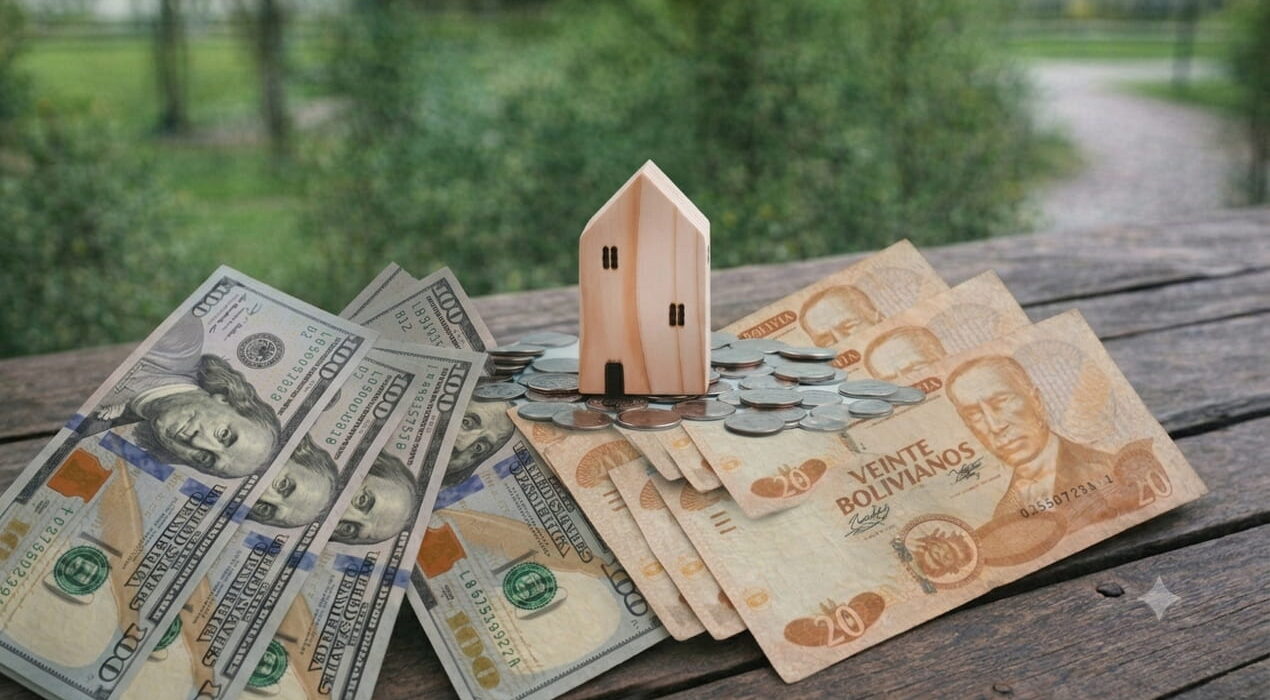
Bolivia has announced a major Bolivia exchange rate shift. The government will end its 15-year dollar peg. This decision aims to stabilize the economy and ease pressure on foreign reserves. Officials confirmed the move on Friday. As a result, the country will adopt a flexible exchange rate system.
Why Bolivia Changed Its Policy
For years, Bolivia kept its currency stable against the US dollar. However, falling reserves created serious pressure. In addition, dollar shortages made daily transactions difficult. A parallel market also emerged. There, the dollar traded at much higher rates. Therefore, the fixed system became unsustainable. The government now hopes to restore balance. It also wants to improve investor confidence and market transparency.
What the New Exchange Rate Means
The central bank will manage the transition. Recently, it set the official rate near 9.73 bolivianos per dollar. This marks a sharp drop in the currency’s value. Previously, the rate stayed around 6.86 for years. As a result, the new system reflects real market conditions more closely. In addition, most transactions already used a higher reference rate. This made the shift more practical than sudden.
IMF Talks and Economic Goals
Bolivia is currently negotiating financial support with the IMF. The program could reach up to $3 billion. Therefore, this policy change may strengthen its case. The IMF had advised this step earlier. It believes flexibility can improve economic stability. However, challenges remain. Experts say Bolivia must rebuild its reserves quickly. Without steady dollar inflows, recovery may slow.
Public Reaction and Political Pressure
Not everyone supports the move. Labor groups have protested for weeks. They fear IMF conditions could lead to austerity. As a result, major roads were blocked across the country. These protests disrupted economic activity. In response, President Rodrigo Paz declared a state of emergency. Security forces then cleared key routes to restore movement.
What Happens Next
Bolivia now faces a critical transition period. The success of this policy depends on consistent reforms. In addition, stable inflows of foreign currency will be essential. If managed well, the shift could rebuild confidence. However, delays or missteps may increase economic risks.