Bone Weakness Emerging as a Public Health Crisis in Pakistan
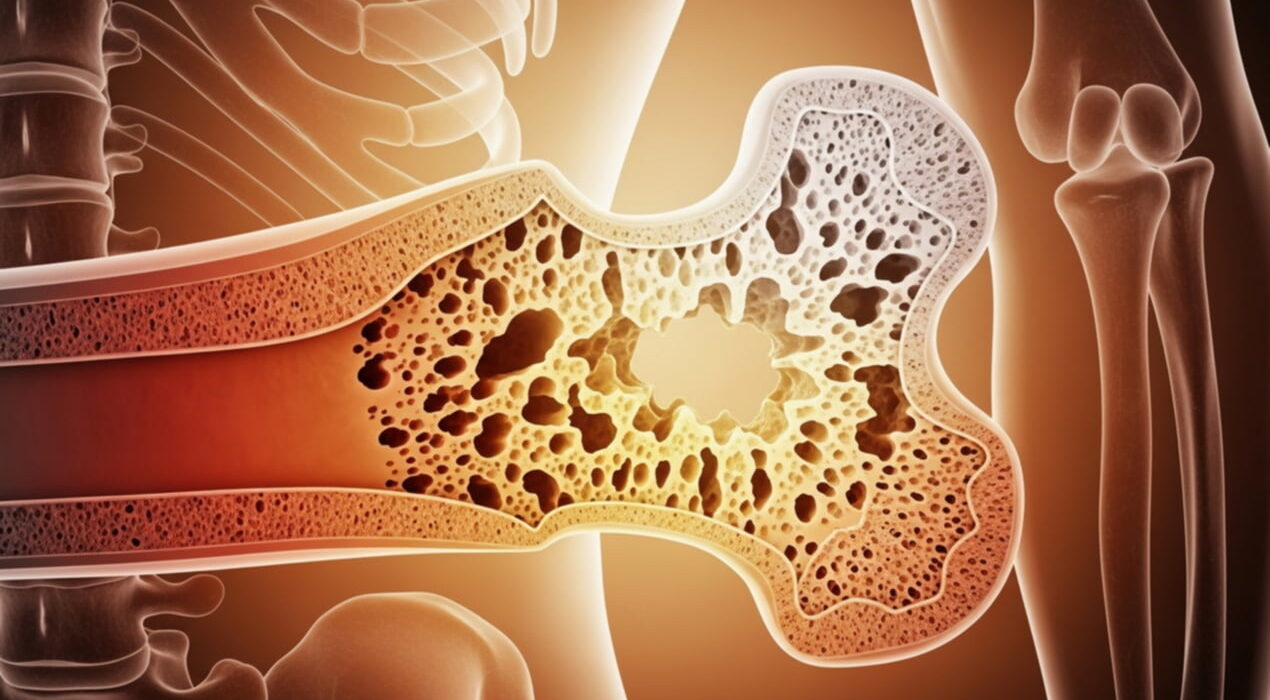
Bone weakness in Pakistan is fast becoming a public health crisis. Recent data shows nearly 9.9 million people are affected, including 7.2 million women. The estimates were shared in connection with World Osteoporosis Day, observed globally on October 20.
Osteoporosis weakens bones and increases the risk of fractures. Experts believe the problem will worsen over the next few decades. If current trends continue, the number of affected individuals may reach 12 million by 2050.
Why the Numbers Keep Rising
Poor nutrition, limited sunlight exposure, and inactive lifestyles are major causes. A study in the Journal of the Pakistan Medical Association found widespread vitamin D3 deficiency among pregnant women and children. Many people also avoid outdoor activity, missing the natural vitamin D the body needs. In addition, multiple pregnancies and calcium deficiency make women more vulnerable.
These combined factors are raising serious concerns about the nation’s bone health. Experts warn that, without quick action, osteoporosis could silently become one of Pakistan’s biggest health threats.
Steps Toward a Stronger Future
Health specialists recommend vitamin D and calcium fortification, daily sunlight exposure, and regular exercise. They also call for nationwide screening programs and clear medical guidelines to identify and manage bone weakness early.
The Asia Pacific Consortium on Osteoporosis, active since 2019, has urged Pakistan to develop local treatment strategies. Without such policies, millions will continue to suffer in silence. Taking preventive measures today can help Pakistan build a stronger, healthier tomorrow.