Protein Powder Heavy Metal Risks: What You Need to Know Now
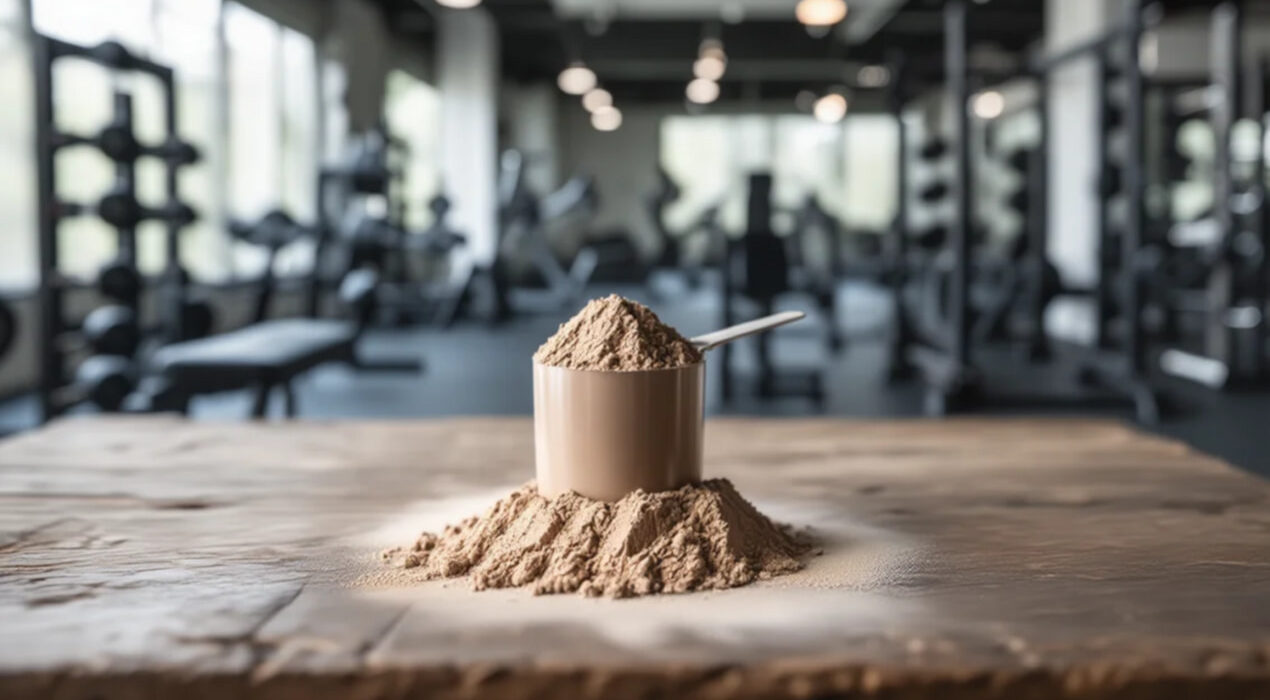
A recent Consumer Reports investigation has revealed that many popular protein powders and shakes may expose users to harmful levels of lead. The findings have sparked concern among nutrition and health experts about the safety of these supplements.
Key Findings and Health Concerns
Consumer Reports tested 23 protein powders and ready-to-drink shakes made from dairy, beef, and plant sources. Alarmingly, about 70 percent contained more lead per serving than the organization’s safe benchmark of 0.5 micrograms per day. Two plant-based products were among the worst, with 7.7 and 6.3 micrograms of lead per serving—over 1,000 percent higher than the benchmark. Lead exposure, even in small amounts, can harm neurological development, kidney and heart function, and reproductive health. Because supplements are less strictly regulated than conventional foods or medicines, contamination risks often go unnoticed.
How Consumers Can Stay Safe
Experts advise first assessing whether you truly need protein supplements. Most people can meet their protein needs through whole foods such as eggs, poultry, fish, and legumes. For those using protein powders, choose brands that undergo third-party testing and display transparent heavy-metal reports from certifiers like NSF International or the United States Pharmacopeia. Limit usage frequency, especially for products with higher lead levels—some may be best consumed weekly rather than daily. Pregnant individuals, children, and young adults should be especially cautious since they are more vulnerable to lead’s toxic effects.
While the report is concerning, experts stress that informed choices can minimize risks. Not all protein products are unsafe, but awareness and moderation are key. Focus on quality nutrition and use supplements only when necessary to protect your health while achieving your fitness goals.