Borderline Classrooms: Education at Risk in Southeast Asia
Across Southeast Asia, thousands of children living near borders are struggling to access quality education. Conflict, poverty, and migration continue to disrupt schools, forcing many young learners to study in unstable conditions.
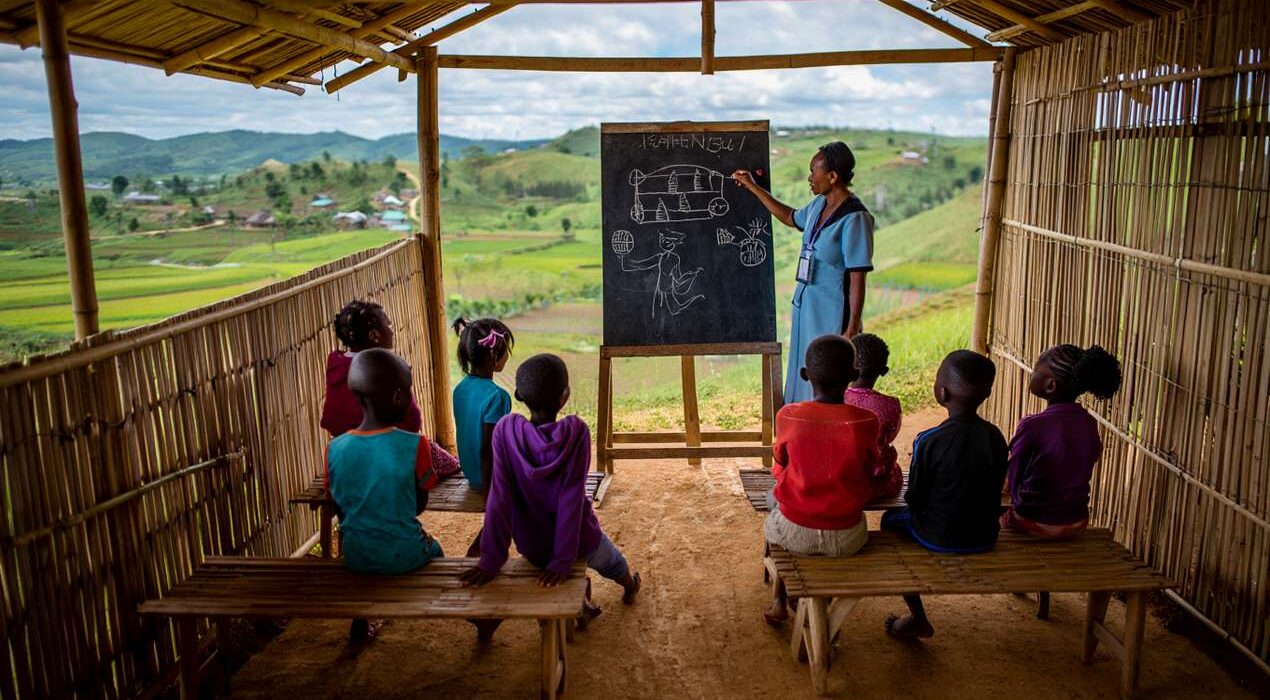
In countries such as Myanmar, Thailand, and Cambodia, border communities face ongoing challenges. Many schools lack trained teachers, proper facilities, and learning materials. As a result, students often attend makeshift classrooms or informal learning centers set up by local volunteers.
Learning Amid Uncertainty
Education workers report that frequent displacement and limited funding make it difficult to maintain consistent schooling. For example, refugee and migrant children often move between camps or border towns, losing months of learning each year.
“Many students dream of becoming teachers or doctors,” said a volunteer educator from Mae Sot, Thailand. “But without stable education, their hopes fade.”
International organizations are stepping in to support border schools by training teachers, donating supplies, and offering mobile classrooms. However, the need still outweighs the available resources.
Investing in Hope and Resilience
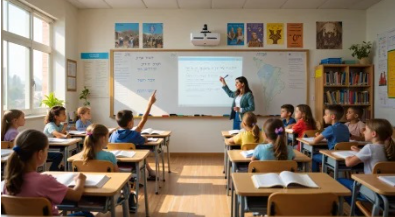
Governments and NGOs are now focusing on long-term solutions. These include bilingual education programs, cross-border teacher exchanges, and digital learning tools that reach remote areas.
Experts say inclusive education is key to breaking cycles of poverty and displacement. Therefore, regional cooperation and sustained investment are crucial.
As one teacher in northern Myanmar explained, “Education gives children stability — even when everything else around them changes.”
For Southeast Asia’s border children, learning is not just a right. It’s a lifeline for hope, resilience, and peace.