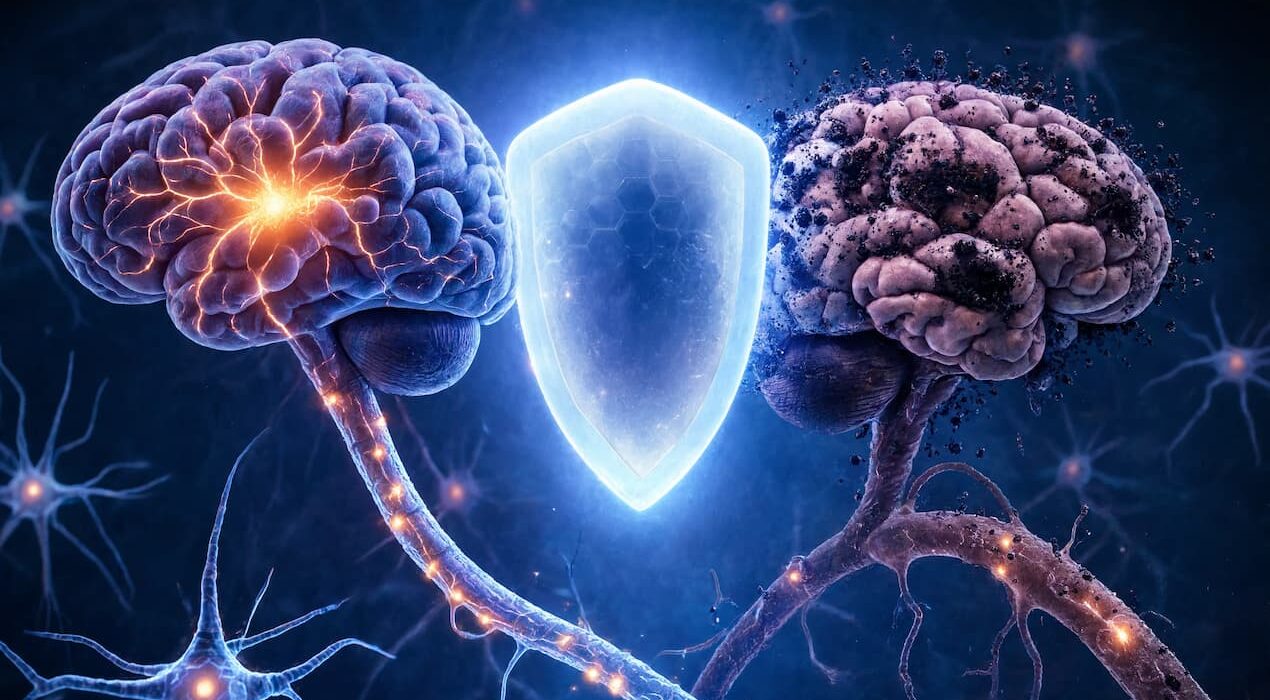
Brain Peptide Protects Against Parkinson’s Damage
Scientists in Brazil have discovered a peptide that may protect brain cells in Parkinson’s disease.The peptide, called Ac2‑26, comes from the protein Annexin A1. It reduces inflammation and shields neurons from degeneration. Researchers at the Federal University of São Paulo (UNIFESP) reported the findings in Neuropharmacology.
A New Approach
Parkinson’s disease causes the gradual loss of dopamine‑producing neurons. Current treatments mainly replace dopamine. However, they do not stop the underlying damage.Ac2‑26 works differently. It targets neuroinflammation, a process that harms neurons and surrounding cells. By reducing this inflammation, the peptide helps protect the brain.
Promising Results
In experiments with mice, Ac2‑26 preserved vulnerable neurons. Treated cells showed less degeneration and better survival. Movement tests revealed improved performance, especially in female mice.Researcher Cristiane Damas Gil explained: “The peptide acts on neuroinflammation rather than dopamine replacement. That protects the brain from cell death.”Another researcher, Luiz Philipe de Souza Ferreira, noted that current drugs like levodopa lose effectiveness over time. Therefore, new strategies are essential.
Parkinson’s affects millions worldwide. There is no cure, and treatments often lead to complications. Ac2‑26 offers hope by addressing inflammation at the earliest stages.The peptide also showed differences between male and female mice. This highlights the need for sex‑specific research protocols.
The Takeaway
Ac2‑26 could become a preventive therapy for Parkinson’s. Future studies will test whether it can reverse existing damage. If successful, it may change how doctors treat this complex disease.