Brain Signal Predicts Alzheimer’s Years Before Symptoms, Study Finds
Scientists may have found a way to predict Alzheimer’s years earlier. Researchers discovered a hidden brain signal that reveals future disease risk. This breakthrough could transform early detection and treatment.
The Discovery of a Hidden Signal
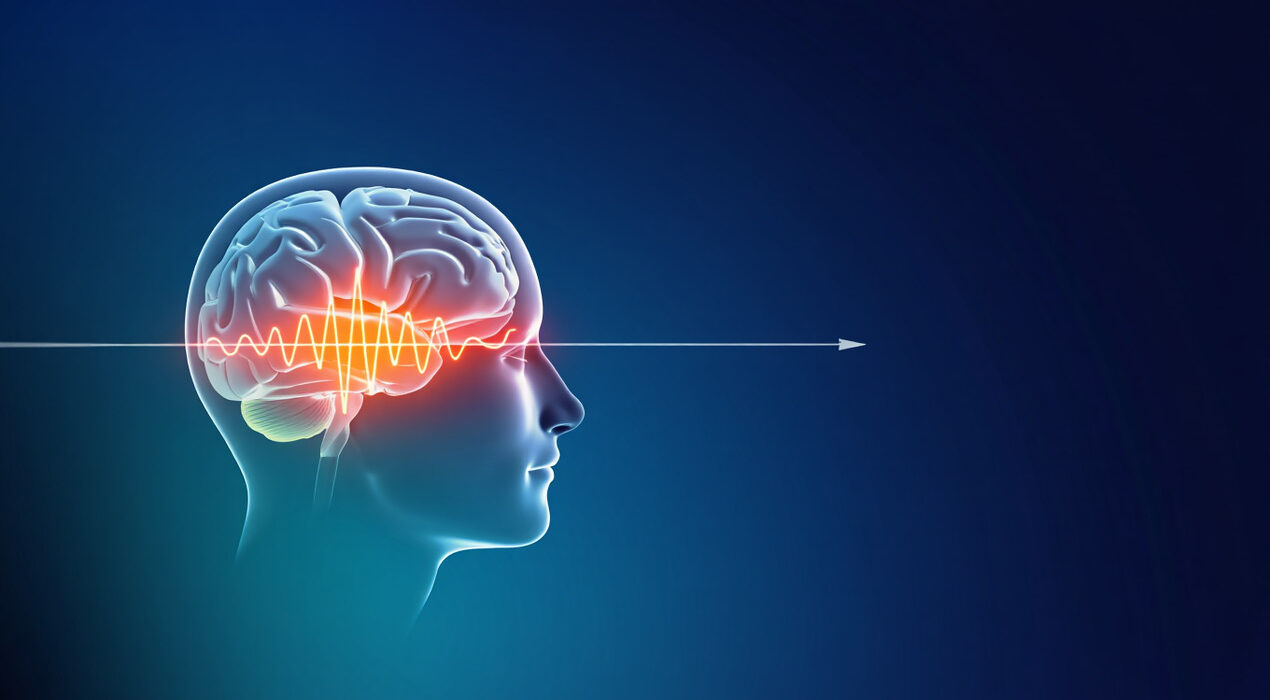
A team from Brown University led this exciting research. They identified a specific pattern in brain electrical activity. Importantly, this pattern predicts who will develop Alzheimer’s disease. It can spot the disease about two and a half years before diagnosis.Professor Stephanie Jones, who co-led the study, explained the finding. “We detected a pattern in brain signals that predicts which patients will get the disease,” she said. This offers a completely new way to see Alzheimer’s progression early.
How the Research Worked
The scientists studied 85 people with mild cognitive impairment (MCI). This condition sometimes leads to Alzheimer’s. The team used a noninvasive brain scan called MEG. It records the brain’s magnetic signals while a person rests.They then used a special analysis tool developed at Brown. This “Spectral Events Toolbox” breaks down brain activity into detailed events. It shows how often signals occur and how strong they are.
This New Biomarker Matters
Current tests often look for specific proteins in blood or spinal fluid. However, these markers don’t show how brain cells are actually functioning. This new signal provides a direct window into neural health.It shows how neurons are struggling under the stress of disease. Therefore, it could become a more functional biomarker. David Zhou, a postdoctoral researcher on the team, highlighted this advantage.The Future of Early Detection and TreatmentThis discovery opens doors for much earlier intervention. Clinicians could one day use this tool for earlier diagnosis. They could also monitor if treatments are working.The research team is now moving to the next phase. They want to understand the exact brain mechanisms causing this signal. “Our next step is to study what’s going wrong in the brain,” said Professor Jones. This knowledge could then help test new therapies to correct the problem.Early detection is crucial for Alzheimer’s. This brain signal offers a promising new path to help patients and families prepare sooner.