Brain’s “Cognitive Legos” Explain Faster Learning Than AI, Princeton Study Finds
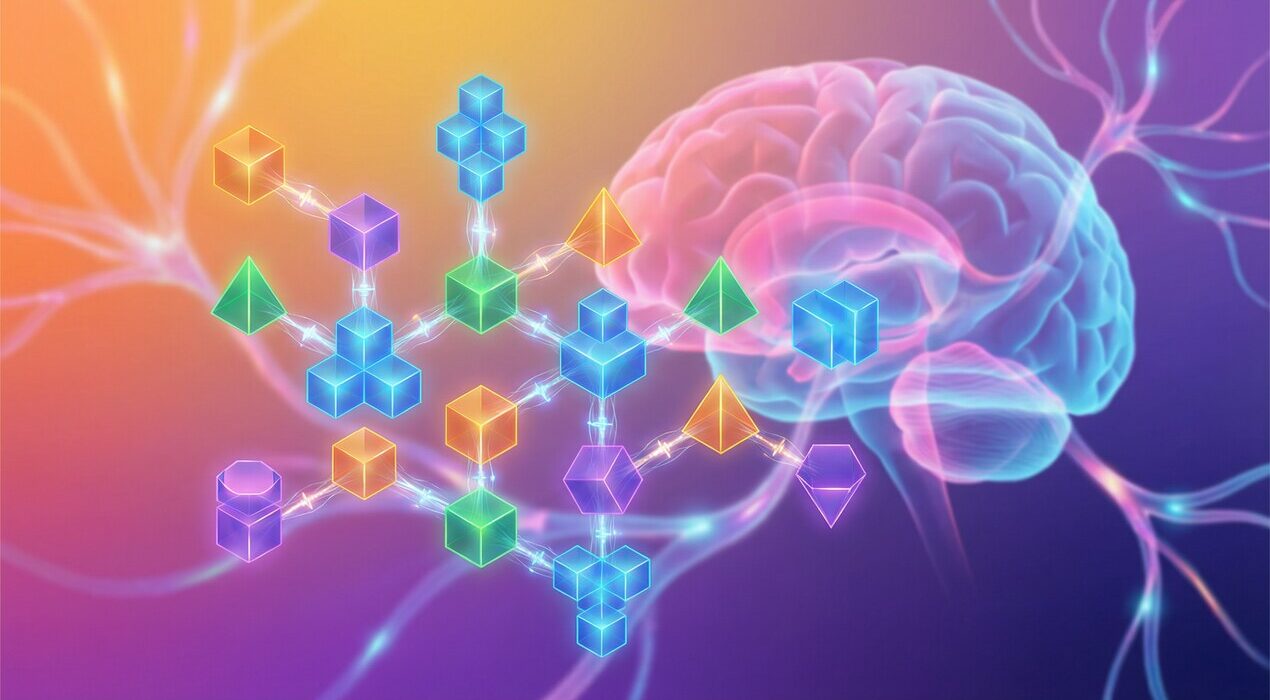
A new Princeton study shows that the human brain uses reusable “cognitive blocks” to learn new tasks quickly. These blocks act like mental building pieces that the brain recombines on demand. As a result, people adapt faster than advanced AI systems.AI can write essays and support medical work. However, it struggles to adjust in real time. Humans, in contrast, switch tasks with ease. For example, we can try a new recipe or explore new software without intense training.The Princeton team wanted to understand this flexibility. They found that the brain reuses the same mental blocks in different situations. Therefore, it can build new behaviors without starting from zero.
Monkeys Helped Reveal the Process
Researchers trained two rhesus macaques to complete simple visual tasks. The animals looked at colorful shapes and judged their color or form. Some images were clear, while others required careful thought.In each task, the animals used eye movements to report answers. This setup allowed the team to track when the brain relied on shared cognitive blocks.
Inside the Prefrontal Cortex
The researchers saw repeated activity patterns in the prefrontal cortex. These patterns appeared whenever a task used similar skills. For example, one block processed color, while another directed eye movement. The brain simply combined the blocks it needed.The prefrontal cortex also quieted blocks that were not relevant. This helped the animals stay focused.
What This Means for AI and Health
The findings may guide AI systems that need to learn without forgetting old skills. In addition, the work could support treatments for conditions that affect flexible thinking, such as OCD or certain injuries.