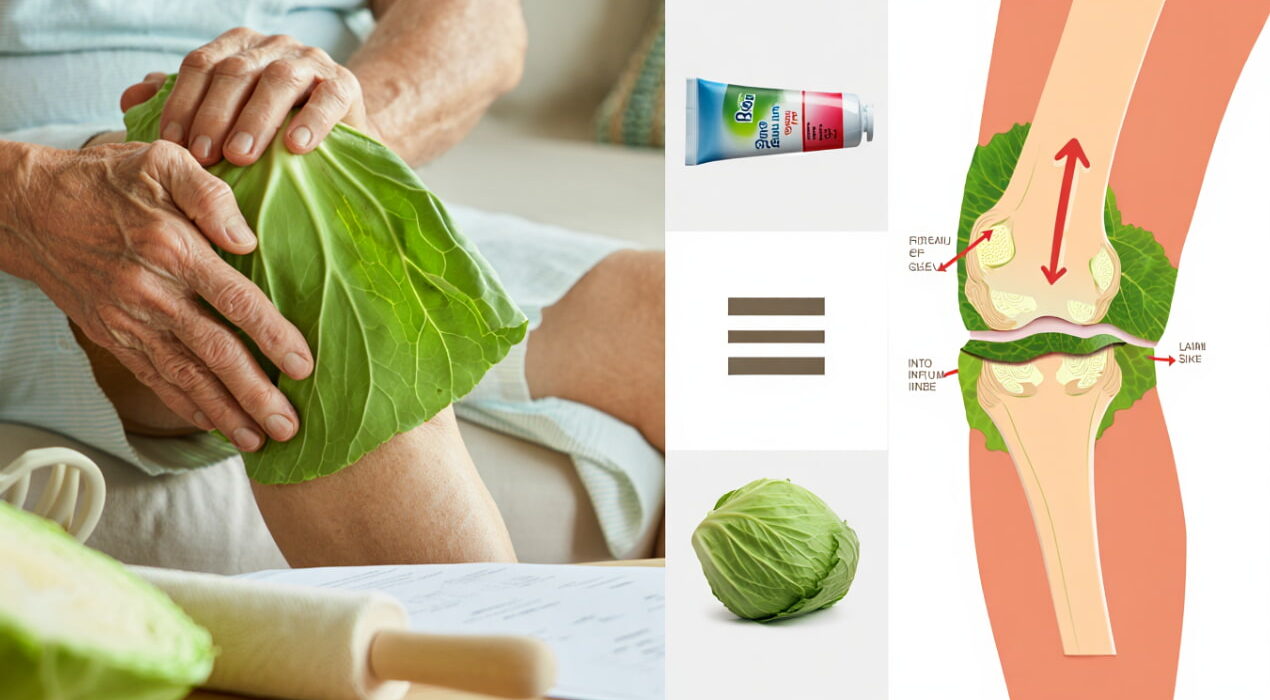
Cabbage Leaves for Knee Pain: Study Confirms Folk Remedy’s Power
Do you have knee pain? A surprising, natural solution might be in your refrigerator. Researchers have found that wrapping painful joints in cabbage leaves can effectively relieve discomfort.
A controlled clinical trial recently compared this folk remedy to standard treatments. Patients with painful osteoarthritis in their knees received different interventions. One group applied cabbage leaf wraps for two hours daily. Another group used a common topical analgesic gel.
The study’s results were clear. Both the cabbage leaf wraps and the medical gel provided significant and comparable pain relief. This offers strong, scientific validation for a centuries-old home practice shared by many cultures.
Scientific Mechanism and Bioactive Compounds
The humble cabbage leaf contains powerful natural compounds. It is rich in phytochemicals like glucosinolates and flavonoids. These substances possess proven anti-inflammatory and antioxidant properties.
When applied as a compress, these beneficial compounds are absorbed through the skin. They work locally at the site of pain and inflammation. This mechanism offers a direct, drug-free way to soothe an aching joint.
Experts see this as a prime example of translational folklore—where traditional wisdom is later explained and confirmed by modern science. It provides a credible, accessible option for managing chronic pain.
Clinical Application and Practical Guidance
This finding is promising for those seeking drug-free alternatives. However, it is important to use the method correctly and understand its scope.
1. Preparation: Use clean, green outer leaves. Wash them and pat them dry. You can gently roll a bottle over the leaves to bruise them slightly. This helps release the beneficial juices.
2. Application: Wrap the leaves directly around the painful knee. Secure them with a light bandage or gauze. Leave the compress on for at least two hours, or overnight.
3. Important Considerations: Cabbage leaves are a “symptomatic treatment”. They can reduce pain but do not cure the underlying condition, like arthritis. This remedy is intended for mild to moderate pain management and should not replace a diagnosis or treatment plan from a healthcare professional. Always consult your doctor for persistent pain.
The study was published in the peer-reviewed Clinical Journal of Pain, lending it significant credibility. It highlights how low-cost, natural strategies can play a valuable role in holistic health management.