Capital Smog Crisis Deepens as Air Turns Hazardous Across North India
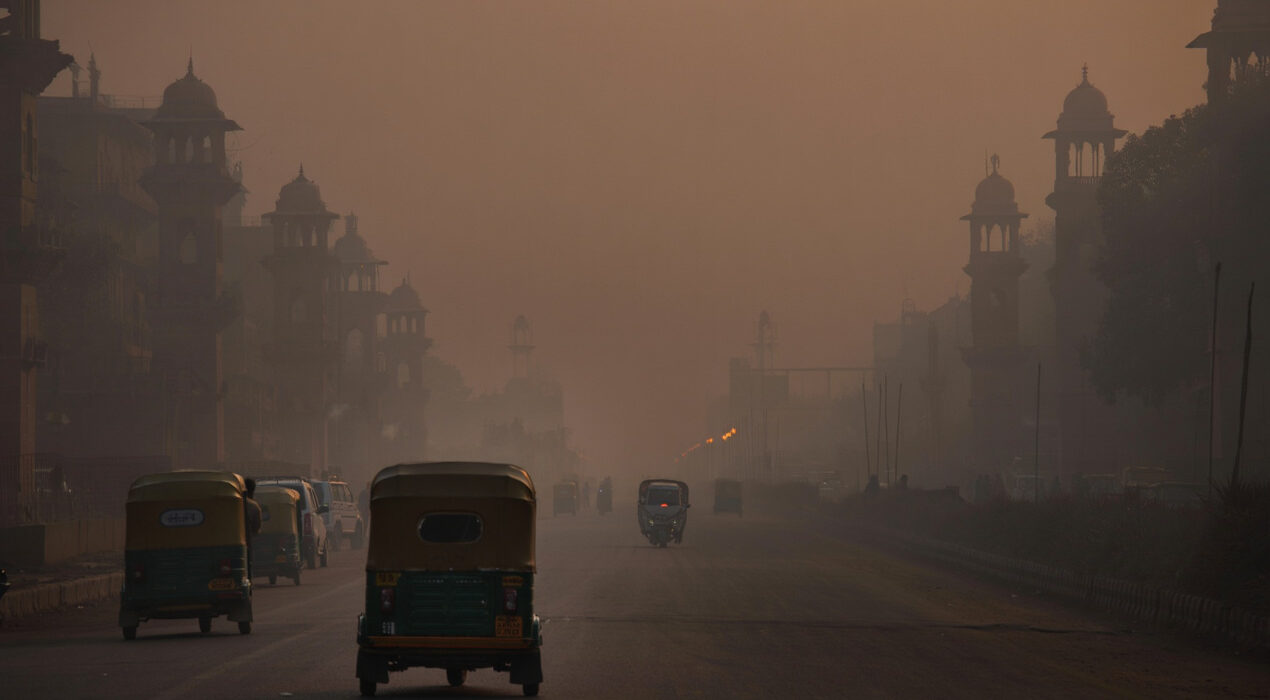
The capital smog crisis continues to worsen across India’s capital and nearby regions. A heavy haze has covered the streets for several days. As a result, daily life feels increasingly difficult.
Thick Haze Chokes the Capital
On Thursday morning, air readings reached dangerous levels. The air quality index touched 376. However, health experts warn this level remains far above safe limits.
The index tracks tiny particles called PM2.5. These particles enter deep into the lungs. Therefore, breathing becomes harder for many people.
According to global guidelines, current pollution stands over 25 times the recommended limit. In addition, visibility has dropped across many neighborhoods. Residents report burning eyes and sore throats.
Health Risks Rise for Vulnerable Groups
Doctors warn the polluted air poses serious health threats. Children and older adults face the highest risk. People with asthma or heart disease also remain vulnerable.
Short exposure can cause coughing and fatigue. Longer exposure may damage lungs and the heart. As a result, hospitals often see more patients during such episodes.
Experts urge people to limit outdoor activity. For example, schools may reduce physical exercise. Masks and indoor air purifiers can also help.
Authorities continue to monitor the situation. However, weather conditions trap pollutants near the ground. Therefore, relief may take time.
The capital smog crisis highlights long-term challenges. Rapid urban growth and vehicle emissions worsen pollution. In addition, seasonal factors add pressure.
Public health specialists stress collective action. Cleaner transport and stricter controls matter. Most importantly, people need clear health guidance.
Until conditions improve, residents remain cautious. Staying informed can reduce harm. Small steps may protect families during this period.