Central Asia Moves Toward Unified Diploma Recognition
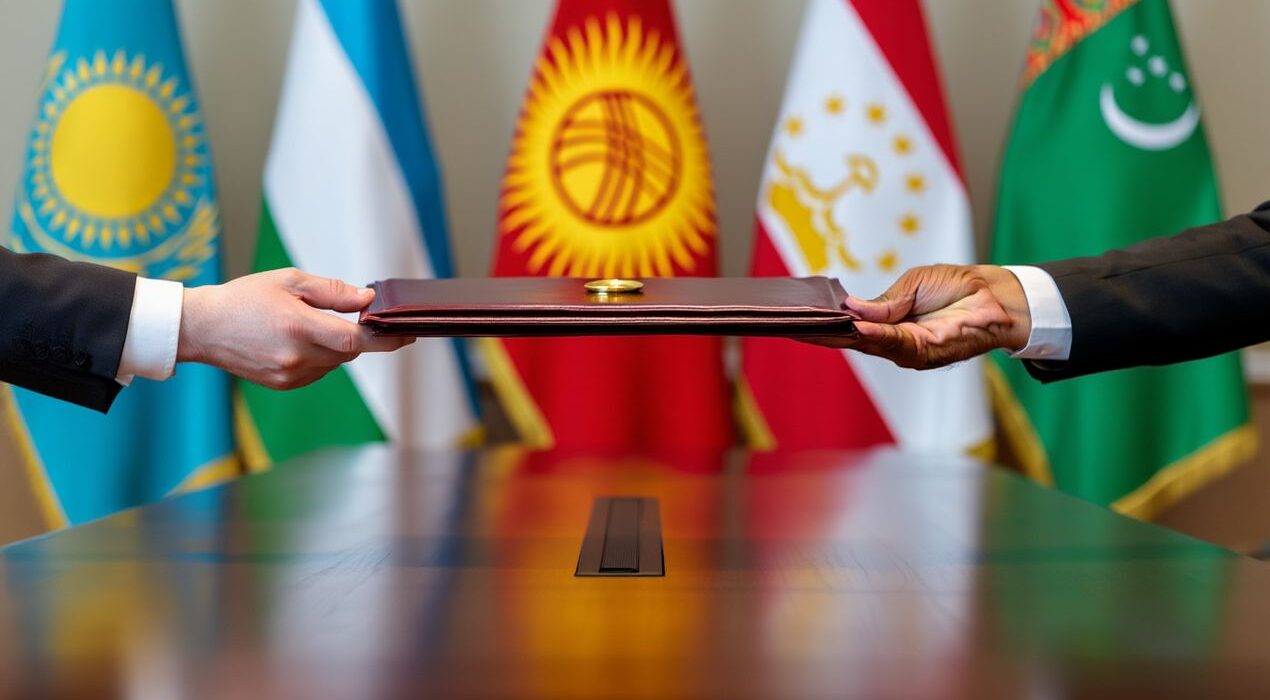
Five nations have taken a major step toward smoother academic mobility. The governments of Kazakhstan, Kyrgyzstan, Tajikistan, Turkmenistan, and Uzbekistan have agreed to recognize each other’s higher education diplomas. This decision strengthens a shared vision for a unified educational space in the region. It also supports easier movement for learners and skilled workers.
Kazakhstan approved the draft agreement on November 12. The document confirms that each country will accept diplomas issued by state-accredited universities across Central Asia. As a result, students and professionals will face fewer barriers when seeking new opportunities.
How the Agreement Works
The mutual recognition covers three main areas. First, graduates can apply for jobs in any participating country. Second, they can complete internships without extra verification. Third, they can continue their education at the next academic level. However, each diploma must meet shared quality standards. A country may deny recognition only when major differences in education systems appear.
Each state will appoint an authority to oversee the process. In addition, countries must notify the depositary about these appointments. If any changes occur, the update must go through diplomatic channels. This system gives the agreement a clear and transparent structure.
Different Rules Within the Region
Most countries have adopted flexible rules. Uzbekistan, Kyrgyzstan, Turkmenistan, and Tajikistan will recognize any diploma from legally operating regional universities. However, Kazakhstan uses stricter criteria. It will only accept diplomas from universities ranked in the top 1,000 of QS, THE, or ARWU rankings. Graduates can still apply for recognition, but they must follow an approval process.Overall, the agreement could ease professional movement across Central Asia. It may also reduce bureaucracy and encourage regional cooperation in higher education.