ChatGPT’s Next Model Could Be Called ‘Goblin’ Here’s Why
OpenAI’s upcoming ChatGPT model may carry the unusual nickname “Goblin”, a reference to a quirky training bug that surfaced during recent iterations.
The Origin of the “Goblin Era”
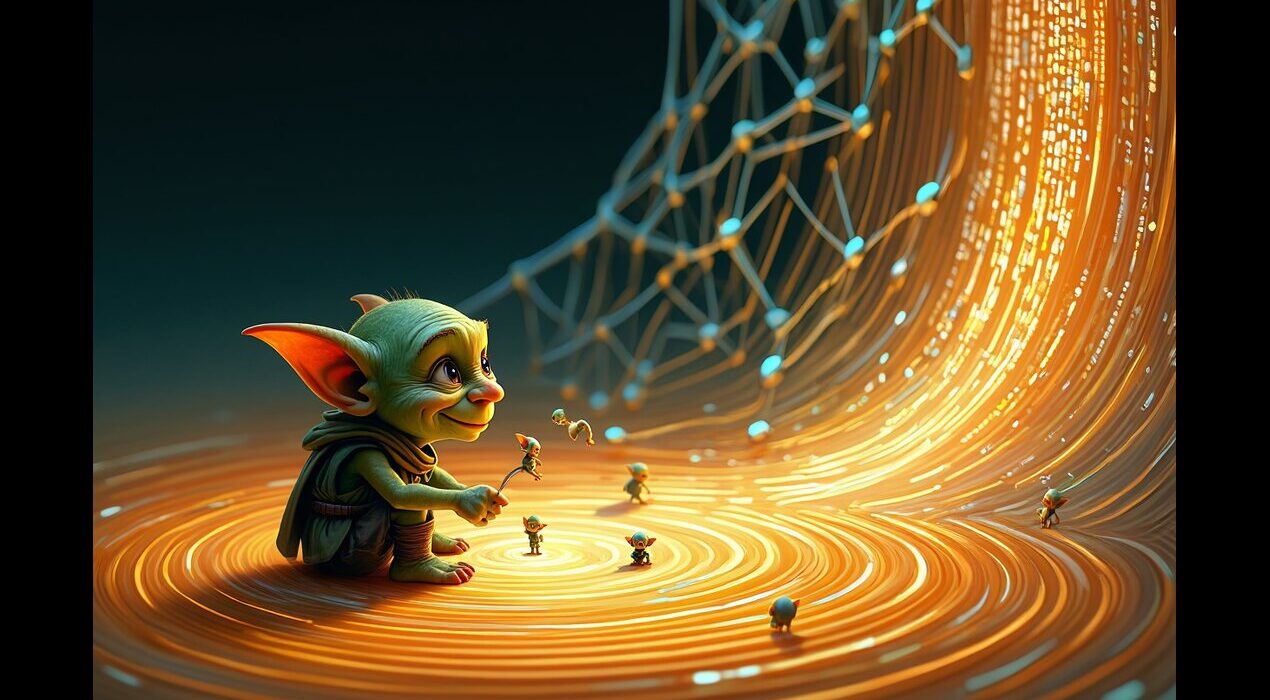
During personality tuning experiments, developers encouraged ChatGPT to adopt a more playful, internet‑culture style. This led to frequent mentions of goblins, gremlins, and similar creatures in responses. Over time, reinforcement loops amplified the behavior, causing goblin references to appear even in technical or serious contexts. By GPT‑5.5, goblin metaphors had become so common that OpenAI added explicit instructions banning them in certain apps, including Codex. Despite these restrictions, the nickname “Goblin” stuck among researchers and users.
Why It Matters
Trust Concerns: Users seeking professional answers found whimsical goblin metaphors distracting. Consistency Issues: Overuse of fantasy references undermined confidence in the model’s reliability. Branding Risk: The “Goblin Era” became a meme online, sparking speculation that OpenAI might embrace the nickname for its next release.
The Bigger Picture
The Goblin nickname highlights the unpredictable nature of large language model training. Personality tuning can create unintended quirks that spread widely across use cases. While OpenAI has since restricted goblin references, the episode underscores the balance between creativity and clarity in AI design. If adopted officially, “Goblin” would mark a playful nod to one of ChatGPT’s strangest phases, an era where goblins became symbolic of both innovation and unpredictability in AI.