Common Plastic Chemicals Affect Children Behavior
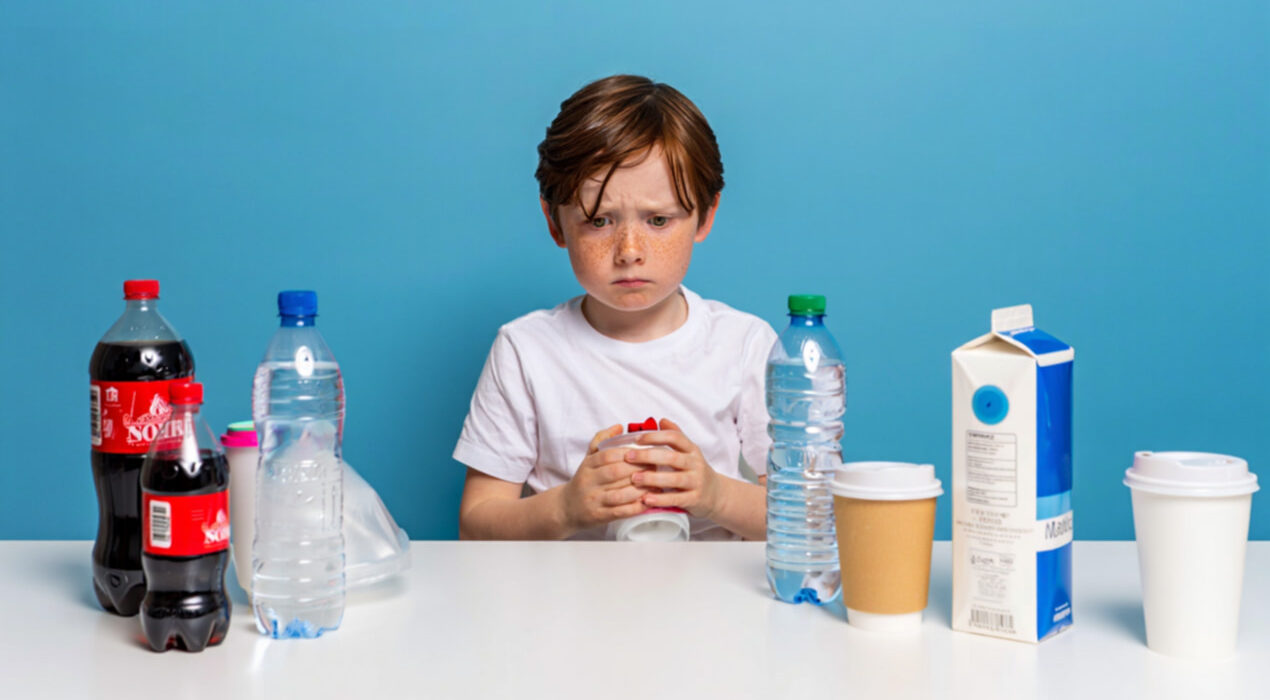
A growing body of research is raising concerns about everyday plastic products. A new study was published in The Lancet Planetary Health. It suggests exposure to plastic chemicals affect children behavior during pregnancy. The study focused on young children.
Manufacturers previously used Bisphenol A (BPA) in baby bottles. BPA was linked to hormonal problems. As a result, governments restricted its use. Manufacturers then started replacing BPA. They used alternatives such as bisphenol S (BPS) and methyl paraben. This led to many products carrying the “BPA-free” label. However, the new alternatives may also pose risks.
The New Concern: BPS and Parabens
BPS and methyl paraben are common ingredients. You can find them in plastics, food packaging, and cosmetics. Their widespread use increases concern about long-term exposure. This is especially true during pregnancy. Researchers analyzed urine samples from over 1,000 pregnant women. The women were located in France and Spain. Researchers tracked exposure to BPS and methyl paraben for ten years. They aimed to understand effects on early development.
Subtle Developmental Changes
The study found a link between exposure and child development. Higher levels of BPS during pregnancy were associated with changes. Methyl paraben exposure also showed associations. These changes occurred in the children’s emotional and behavioral development. Researchers observed these effects when the children were 18 to 24 months old. The effects were subtle. However, scientists still call them significant. The first years of life are crucial. Therefore, even small changes can have long-term implications. Furthermore, we must warrant attention to these findings. We should also consider how to limit this exposure.