Community-Led Models Proposed to Manage Growth in Fragile Highlands
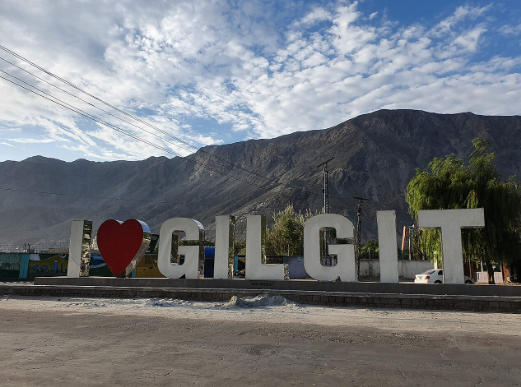
A comprehensive tourism report on Gilgit-Baltistan emphasizes the critical need to transition from an expansion-focused model to an infrastructure-led management strategy. The region, which serves as a permanent home to nearly two million residents, requires careful ecological balancing to prevent popular hotspots from degrading. Authorities stress that moving past a simple “postcard backdrop” perspective is essential to protect local standard of living.
Safeguarding Vulnerable Secondary Valleys
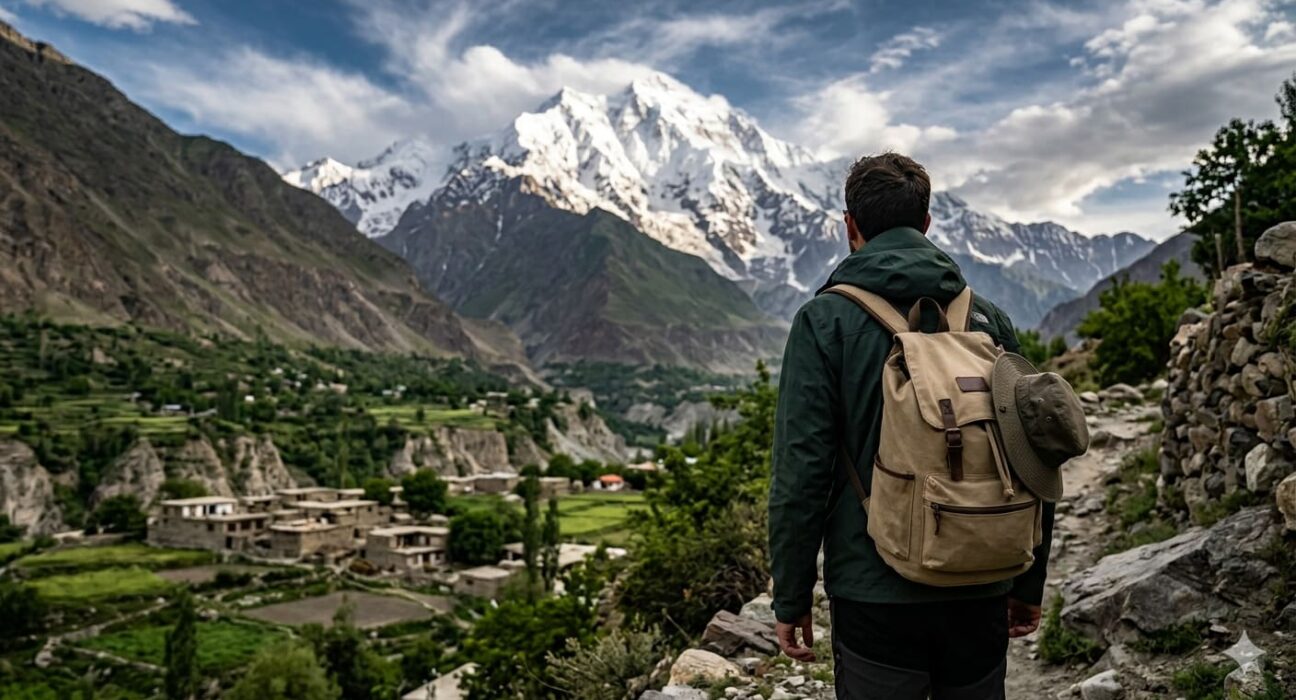
Currently, the territory faces massive systemic challenges, including fragile road infrastructure, seasonal traffic bottlenecks, and severe climate risks like glacial lake outburst floods. To counter these pressures, planners are designing targeted frameworks to distribute visitor foot traffic into secondary valleys such as Haramosh, Bagrot, and Astore. This strategic geographic diversification actively shields primary ecosystems from severe overcrowding and waste collection backlogs.
Expanding Grassroots Economic Models
Consequently, implementing decentralized, community-managed guesthouse systems ensures that economic rewards flow directly into rural mountain villages. Training local residents as professional wilderness guides establishes dignified, sustainable livelihoods while preserving rich cultural heritage. Ultimately, shifting toward resource-conscious management guarantees that Gilgit-Baltistan remains a resilient, pristine destination for future generations of global trekkers.