Congo Ebola Outbreak Declared Global Health Emergency by WHO
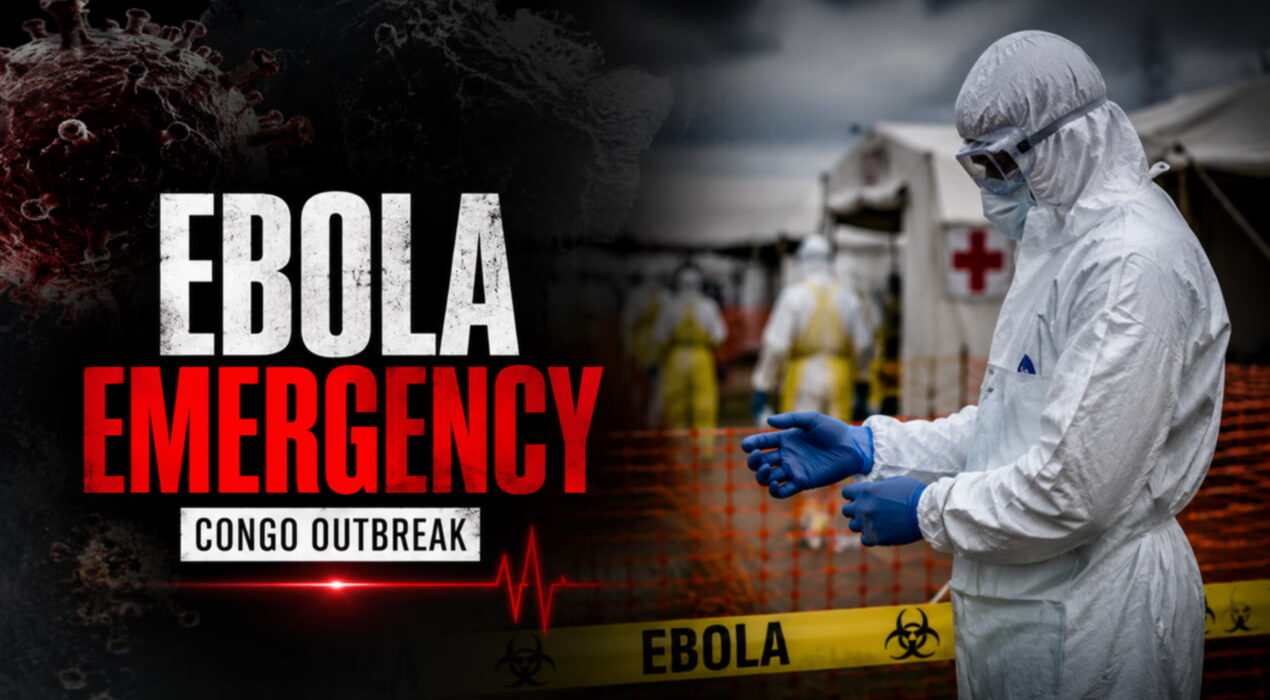
Health officials in the Democratic Republic of Congo are struggling to contain a deadly Ebola outbreak that has already killed more than 80 people. The World Health Organization declared the Congo Ebola outbreak an international health emergency on Sunday after cases spread rapidly across several regions and crossed into neighboring Uganda.
Rising Death Toll
The Africa CDC reported 88 deaths and 336 suspected infections linked to the Bundibugyo strain of Ebola. Unlike previous outbreaks, this strain currently has no approved vaccine or specific treatment. Congo’s Health Minister Samuel-Roger Kamba warned that the virus carries a fatality rate of up to 50 percent.
Officials said patient zero was a nurse from Bunia in Ituri province. Symptoms include fever, vomiting, and severe bleeding. However, poor healthcare facilities continue to slow emergency response efforts in remote communities.
Emergency Response Expands
Doctors Without Borders described the situation as extremely concerning and announced plans for a large-scale response. Medical teams are now sending supplies, protective equipment, and healthcare workers to affected areas.
Meanwhile, health experts are tracing contacts and screening travelers near border crossings. Authorities also urged families to avoid direct contact with infected patients and victims’ bodies. As a result, officials hope to reduce community transmission.
Risk of Wider Spread
The WHO warned the outbreak could be much larger than current reports suggest. In addition, limited transport infrastructure makes medical operations difficult across Congo’s vast territory.
Ebola spreads through infected bodily fluids and becomes contagious after symptoms appear. Although vaccines exist for the Zaire strain, no vaccine currently protects against the Bundibugyo strain. Health experts now fear the Congo Ebola outbreak could spread further without stronger containment measures.
Previous Ebola outbreaks have killed thousands across Africa during the past five decades, despite improved surveillance, vaccination campaigns, treatment centers, and international support efforts.