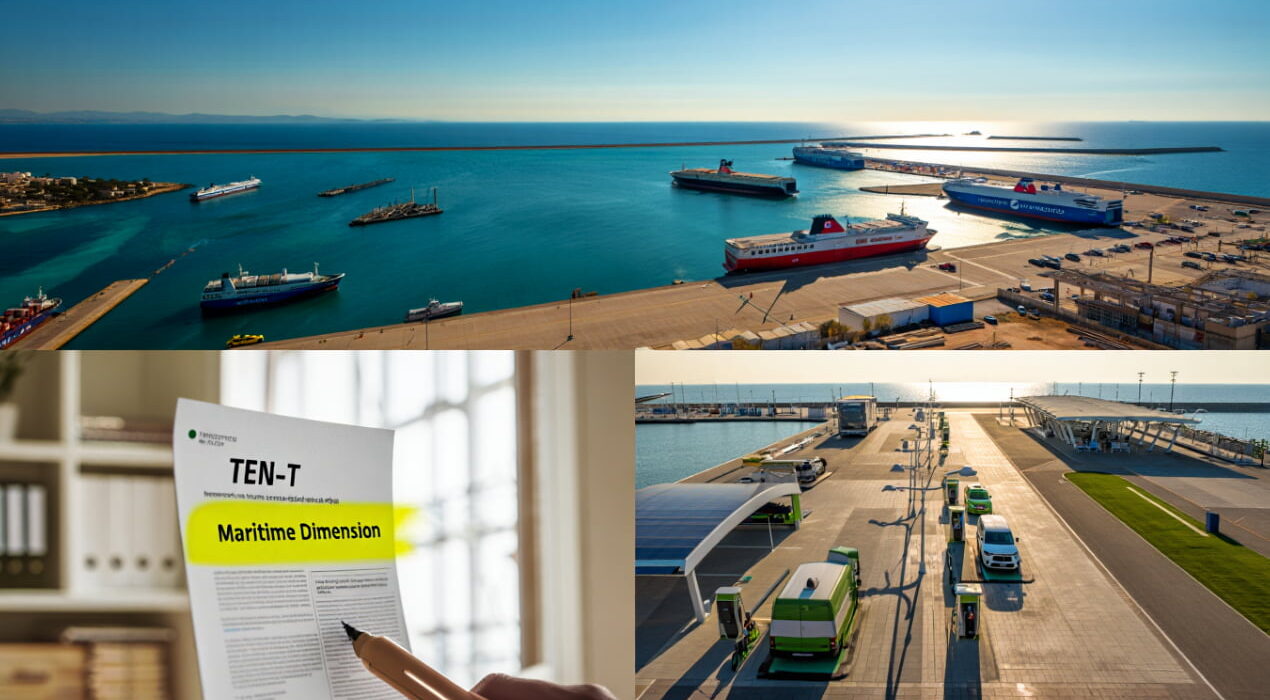
Cyprus Pushes EU for Better Maritime Travel Connectivity
Cyprus is calling for a fairer EU transport framework. Travel connectivity and tourism resilience are at the center of discussions. Transport Minister Alexis Vafeades spoke at a major maritime forum in Limassol.
Island nations face unique structural challenges. These challenges directly impact tourism flows and economic stability. Therefore, Cyprus wants stronger maritime integration within Europe’s travel ecosystem.
Maritime Transport Is a Lifeline for Islands
For island destinations, transport is a lifeline. Cyprus depends almost entirely on sea and air routes. Reliable maritime networks are essential for visitor arrivals.
Shipping is the core engine of European travel connectivity. This is true for island economies like Cyprus. Tourism growth relies on dependable sea routes and port accessibility.
Disruptions in maritime networks affect the entire travel sector. Hotel operations and local tourism experiences suffer. Consequently, Cyprus wants maritime transport elevated within EU policy priorities.
Travel Infrastructure and Security Go Hand in Hand
Geopolitical tensions in the Eastern Mediterranean add urgency. Transport infrastructure now supports both tourism and emergency response. Ports and airports function as gateways for humanitarian aid and crisis management.
For the travel industry, this dual role enhances destination reliability. Travelers feel confident that destinations can handle unexpected disruptions. Therefore, Cyprus advocates for EU policies that recognize this expanded role.
Strengthening the TEN-T Network
Cyprus wants a stronger maritime dimension within the TEN-T network. This is the EU’s Trans-European Transport Network. Sea routes must have equal importance alongside rail and road infrastructure.
For the tourism sector, this change could be transformative. Faster travel routes between islands and mainland Europe reduce travel times. Multi-modal travel experiences become possible.
Without such adjustments, island destinations risk being marginalized. Therefore, they cannot compete in the global tourism market.
Modern Ports Drive Travel Efficiency
Cyprus calls for significant investment in port modernization. Reducing administrative barriers and improving last-mile connectivity are essential. Modern ports with advanced technology handle higher passenger volumes.
Streamlined customs procedures reduce waiting times for travelers. These improvements are especially important for cruise tourism. Better port-inland connections also open new tourism opportunities.
Green Maritime Transition Reshapes Travel
Sustainability is central to Cyprus’s vision. The country advocates for decarbonizing maritime transport. Key initiatives include port electrification and onshore power systems.
Infrastructure for alternative fuels is also needed. These measures lower the environmental impact of travel. Consequently, island destinations become more attractive to eco-conscious tourists.
Investment and Policy Alignment Are Essential
Achieving these goals requires greater financial support. Stronger coordination between national governments and EU institutions is also needed. Increased investment in transport infrastructure improves reliability and visitor experiences.
Destinations can scale up tourism offerings and boost economic growth. As Cyprus prepares for its EU presidency, it will shape future transport policy. The country ensures island needs are fully integrated into EU decision-making.
In conclusion, Cyprus’s push reflects a broader shift in Europe. Resilient and inclusive transport systems are now essential. Island travel will thrive with robust, sustainable, and future-ready infrastructure.