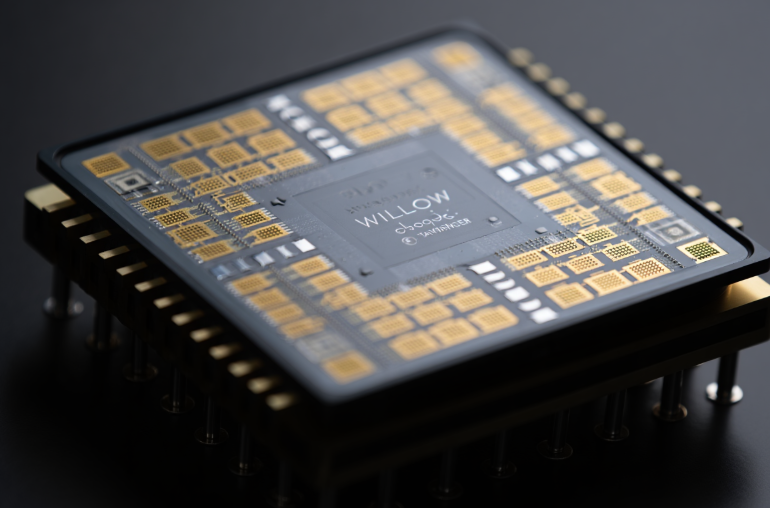
D-Wave Quantum Computers Put Canada at the Front of the Global Quantum Race
Canada became a global leader in advanced computing through D-Wave quantum computers. The company was the first in the world to sell commercial quantum systems. This milestone happened years before many countries moved beyond research labs.D-Wave focused on quantum annealing. This specialized approach solves complex optimization problems. For example, businesses use it for logistics, scheduling, and advanced simulations.
Unlike experimental prototypes, D-Wave delivered working machines to customers. Major corporations and research institutions adopted the systems early. As a result, quantum computing moved from theory to practical use.Canada’s early investment in quantum research played a critical role. The country supported talent development and commercialization efforts. Therefore, it gained a strong position in the emerging quantum industry.
How D-Wave Quantum Computers Work
D-Wave quantum computers use quantum annealing rather than universal quantum gate models. This method targets optimization challenges. These problems involve finding the best solution among millions of possibilities.Classical computers can solve such tasks. However, processing time increases rapidly as complexity grows. Quantum annealing offers a faster path for specific workloads.
It is important to note that quantum systems do not replace classical computers. Instead, they complement them. Traditional machines handle everyday tasks, while quantum devices tackle specialized computations.This hybrid approach makes adoption more practical. Businesses integrate quantum tools into existing workflows. As a result, industries gain measurable benefits without rebuilding entire systems.
Why Canada’s Early Move Matters
Canada’s early commitment positioned it as a key player in the global quantum race. Governments worldwide soon followed with funding and national strategies. However, Canada had already built experience and infrastructure.D-Wave helped normalize quantum computing as a real industrial tool. Instead of remaining a laboratory concept, it entered commercial markets. This shift encouraged investment across computing, cryptography, and materials science.
Experts believe quantum technology will shape future innovation. It may improve drug discovery, financial modeling, and supply chain optimization. In addition, advances could strengthen cybersecurity systems.Canada’s leadership demonstrates how strategic investment in emerging science can influence global industries. Through D-Wave quantum computers, the country helped transform quantum computing from possibility into reality.