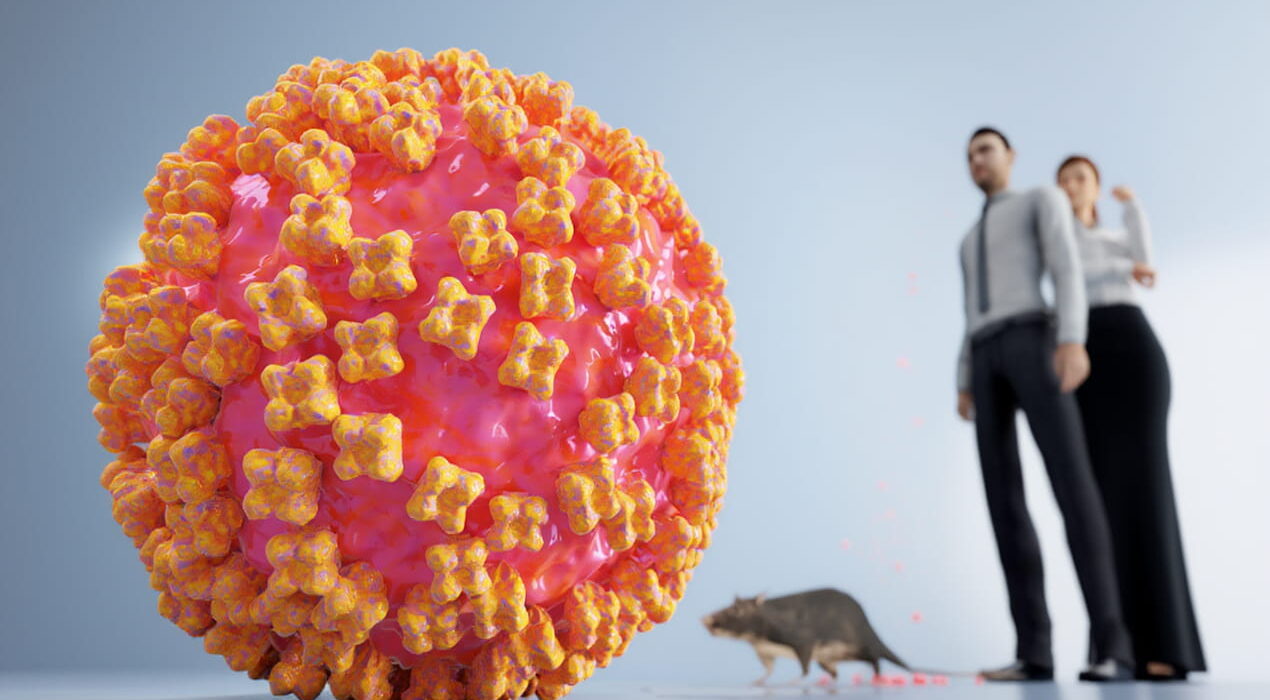
Deadly Hantavirus Outbreak Sparks Global Health Concern
A deadly hantavirus outbreak near South Africa has raised health concerns worldwide. The rare virus spreads mainly through infected rodent waste particles. Experts say the disease can damage the lungs, heart, or kidneys within days. Therefore, doctors stress the need for early diagnosis and fast medical care.
Scientists first identified hantaviruses during the Korean War in the 1950s. Later, researchers linked the virus to severe outbreaks in the United States and South America. However, experts say most hantavirus strains rarely spread between people. The Andes virus remains the only strain connected to limited human transmission.
How Hantavirus Spreads
People usually catch hantavirus by breathing contaminated air in closed spaces. For example, rodent urine and droppings can release harmful particles into the air. Ships, cabins, and storage areas often create higher risks because they lack proper ventilation. Experts also warn that clean-looking places may still carry danger. Rodents can spread the virus without obvious signs of infestation. In addition, the virus can survive on surfaces for several days. However, hantavirus does not spread as easily as influenza or measles.
Doctors say rodent bites rarely cause infection. Instead, inhaling airborne particles remains the biggest threat. As a result, health officials recommend wearing masks and improving ventilation while cleaning risky areas.
Symptoms and Current Treatment
Early hantavirus symptoms include fever, headaches, muscle pain, nausea, and vomiting. Unfortunately, these signs resemble common illnesses, which makes diagnosis difficult. In severe cases, patients can develop heart or lung failure very quickly. Doctors use blood tests to confirm infection. However, results may take several days to arrive. Fatality rates can reach 50% in severe New World strains. Therefore, quick supportive treatment becomes extremely important. Currently, no approved antiviral drug exists for hantavirus in the United States. Doctors mainly focus on supportive care and oxygen therapy. Some hospitals also use ECMO machines to support heart and lung function. Experts believe fast treatment greatly improves survival chances.