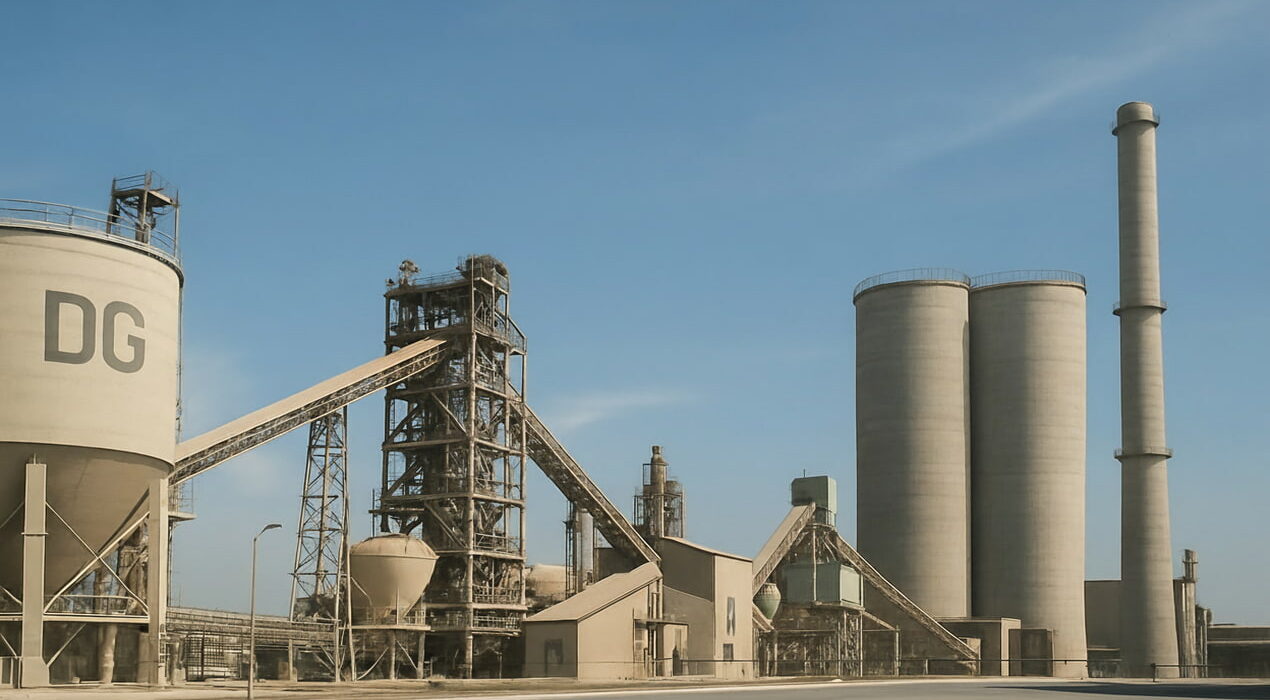
DG Khan Cement Expands Capacity With Khofli Sattai Line
DG Khan Cement has announced a major expansion plan. The company will build the Khofli Sattai line, the largest single clinker facility in Pakistan. The company shared the update through a formal notice. It informed investors about opening a Letter of Credit for the project. This step signals strong confidence in long term demand. However, the cement sector continues to face mixed market conditions.
Details of the New Production Facility
The new setup will produce 11,000 tons per day. The company will develop it as a brownfield expansion. The facility will rise at Mauza Khofli Sattai in Dera Ghazi Khan. As a result, DG Khan Cement will significantly increase its output capacity. The company aims to improve efficiency through modern technology. In addition, it plans to lower per unit production costs. DG Khan Cement started operations in 1978. Since then, it has grown into one of Pakistan’s leading cement producers.
The company manufactures clinker and multiple cement types. These include ordinary Portland and sulfate resistant cement.
It serves customers nationwide through over 2,200 dealers. Moreover, it exports to Bangladesh, Afghanistan, and parts of Central Africa. This wide network helps the company manage regional demand shifts. Therefore, it remains competitive despite market challenges.
Cement Exports Face Continued Pressure
Pakistan’s cement exports remain under stress. Meanwhile, domestic demand shows modest stability. According to APCMA data, exports dropped 26.53 percent year-on-year in November 2025. Volumes fell to 590,183 tons compared to 803,258 tons last year. This decline followed earlier monthly drops. Exports slipped 23 percent in October and 15 percent in September.
Despite these trends, capacity expansion continues across the sector. Companies expect future recovery through infrastructure growth and regional trade.
What This Means for the Industry
The Khofli Sattai line highlights a long-term growth strategy. DG Khan Cement appears focused on efficiency rather than short-term cycles. Such investments may strengthen supply readiness. As a result, the company could benefit when demand improves.
For investors, the move reflects cautious optimism. For the industry, it signals continued commitment to scale and modernization.