Disease-Carrying Mosquito Species Surge in Kerala: New Study Highlights Emerging Health Risk
A recent study found 14 disease-carrying mosquito species in Kerala. This state has seen a rise in dengue and chikungunya cases. Researchers surveyed over one hundred mosquito species. They found overlapping distributions of disease-transmitting species. This complex situation can lead to challenging disease outbreaks. Mosquito diversity was higher in man-made, artificial habitats.
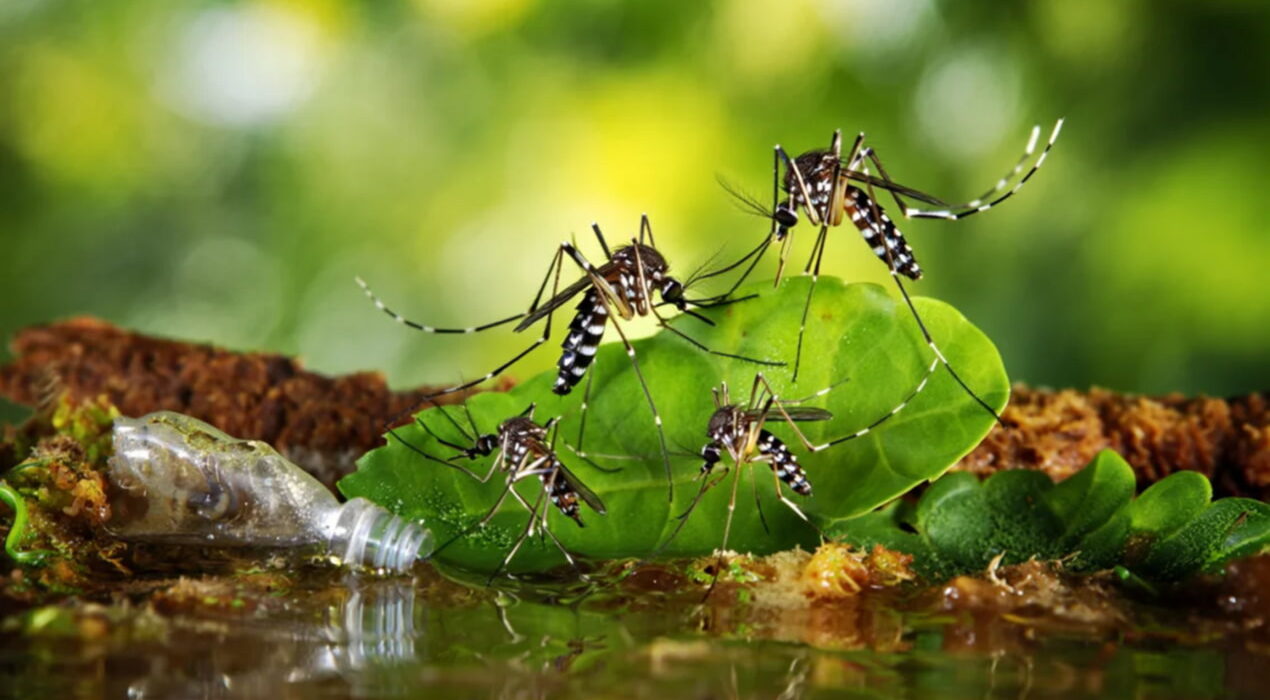
Some species are now preferring artificial breeding sites. These include discarded tires and household containers. This shift increases the risk of disease spreading to people. A recent study recorded 108 mosquito species across five Kerala districts. Fourteen of these are known to transmit various diseases. This includes malaria, dengue, and chikungunya.
Increased Risk from Artificial Habitats
The study revealed a higher mosquito diversity near human homes. This was especially true in man-made water containers. These artificial habitats include discarded plastic or used tires. However, natural habitats like ponds had less diversity. One dominant species, Stegomyia albopicta, breeds in 77 habitat types. It mainly uses artificial sites like latex collection cups. S. aegypti, the primary dengue vector, uses discarded items in urban areas.
Some forest species are also adapting to these man-made sites. Therefore, habitat modification is changing vector dynamics. Climate change and land-use shifts are also linked to this trend. Disease-carrying mosquito species are adapting quickly. Experts stress the importance of understanding vector ecology. Better data is needed to influence public health policy. This research raises alarms for disease control efforts in Kerala.