Doctors Urge DRAP to Remove 10cc Syringes Ban for Child Care
The 10cc syringes ban has raised concerns among child health experts in Pakistan. The Pakistan Pediatric Association (PPA) has urged the Drug Regulatory Authority of Pakistan (DRAP) to exempt 10cc conventional syringes from its planned restrictions. Doctors believe the decision could affect neonatal and pediatric services across the country. Therefore, they have requested a careful review before the policy takes effect.
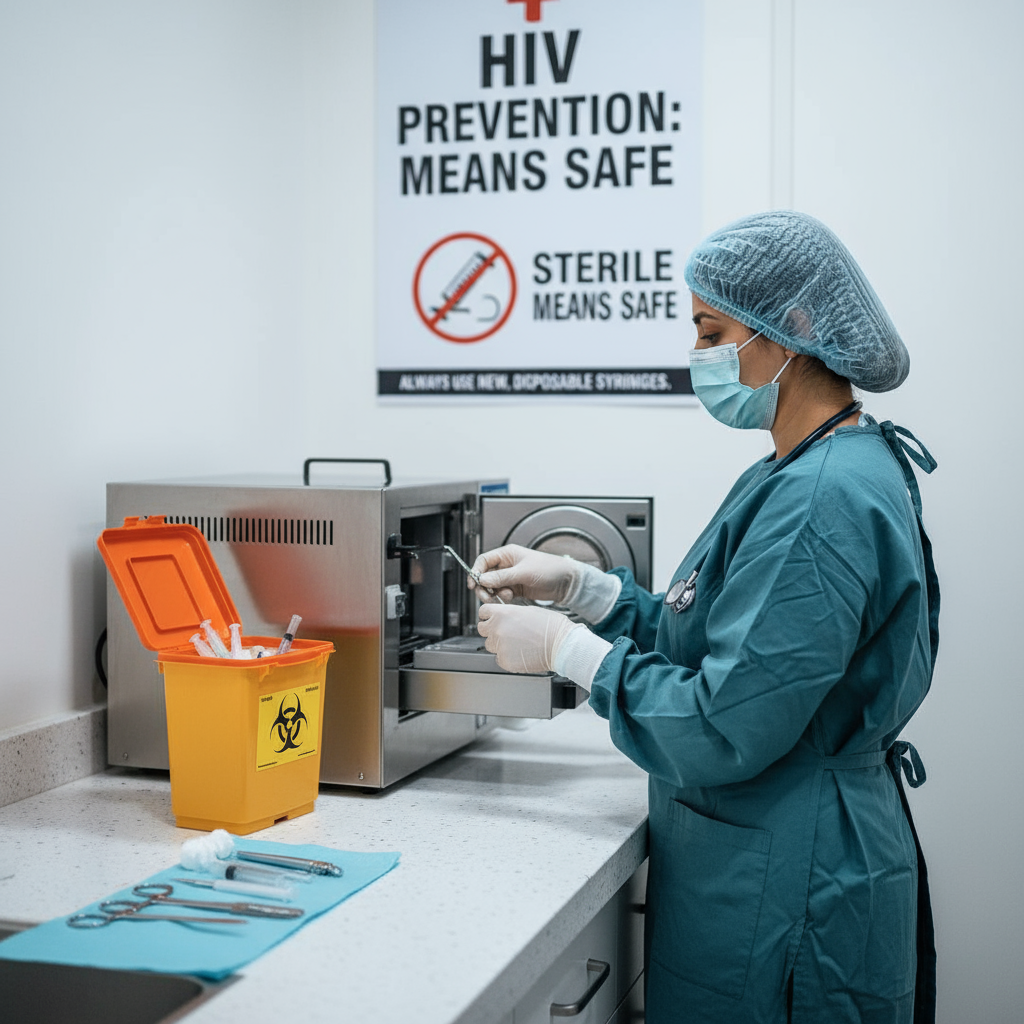
The association shared its concerns in a letter addressed to DRAP’s chief executive officer. Dr Muhammad Khalid Shafi said Pakistan is already facing an increase in pediatric HIV cases linked to unsafe medical practices, including the reported reuse of contaminated syringes. However, he stressed that regulatory decisions should rely on scientific evidence while protecting essential healthcare services for children.
Why Doctors Want an Exemption
DRAP has announced a ban on conventional 1cc non-insulin disposable syringes from December 31, 2026. In addition, conventional 10cc disposable syringes will no longer be available for retail sale from January 1, 2027. The PPA believes this measure could create challenges in hospitals that care for newborns and children.
According to Dr Shafi, 10cc syringes play an important role in everyday treatment. Doctors use them to dilute intravenous medicines accurately and safely. They also support enteral feeding in neonatal intensive care units. Furthermore, healthcare workers use these syringes to provide oral liquid medicines and rehydration solutions to infants.
Concerns Over Patient Care
The association warned that a complete ban could interrupt life-saving medical procedures. As a result, hospitals and clinics may struggle to deliver routine pediatric care without suitable alternatives. Doctors believe any replacement should undergo proper evaluation before nationwide implementation.
Expert Panel Requested
The PPA has also asked DRAP to form an expert advisory panel. The group should include pediatric infectious disease specialists and association representatives. Together, they can review syringe reuse risks and prepare evidence-based infection control guidelines. The association believes this approach will improve patient safety while supporting uninterrupted child healthcare services nationwide.