Dubrovnik Wins Global Award for Sustainable Tourism Management Excellence
Dubrovnik earned a prestigious global title recently. The city was named World’s Leading Sustainable Destination for 2025. This recognition came from the World Sustainable Travel & Hospitality Awards (WSTHA). The city achieved this through groundbreaking initiatives effectively. Dubrovnik’s “Respect the City” program successfully balanced a booming industry. It focused on the preservation of cultural heritage and Sustainable Tourism Management. The city now serves as a global model for responsible travel.
Technological Innovations and Visitor Flow Control
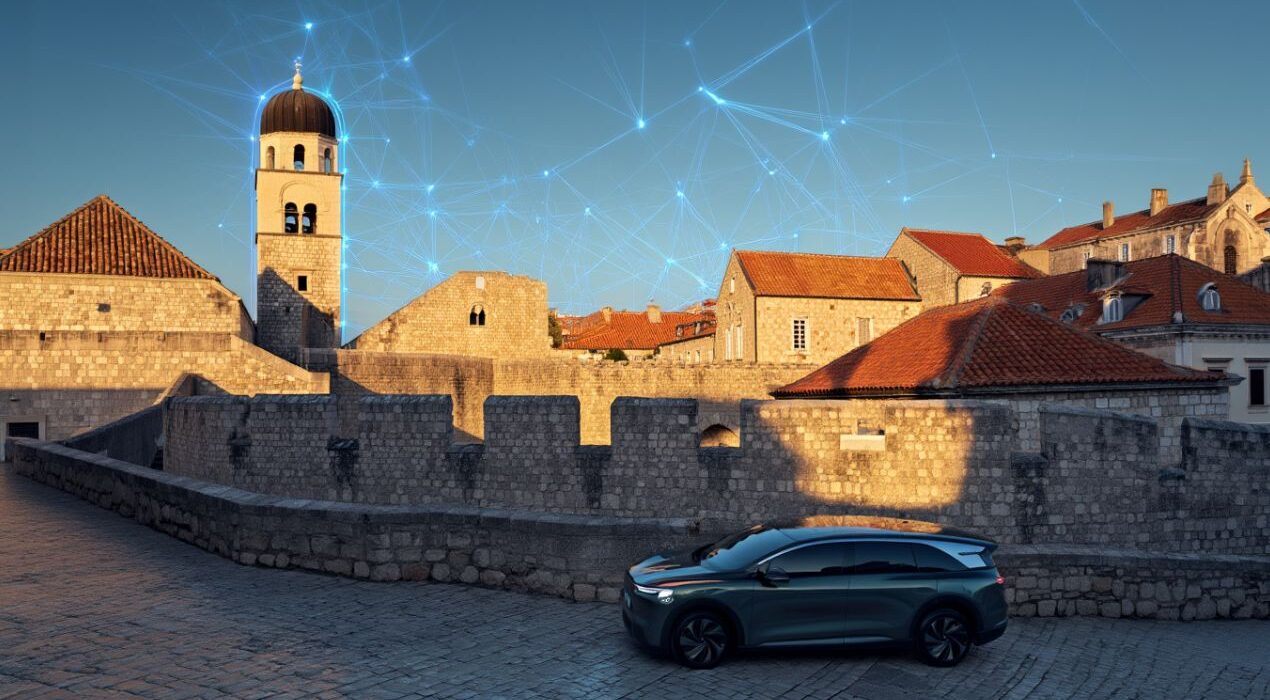
Dubrovnik’s comprehensive strategy began in 2017. The initiative blends economic development with strong cultural preservation. The city prioritized sustainability significantly. They focused on maintaining the city’s vibrancy for residents immediately. They achieved this through technological innovation actively. The city introduced Croatia’s first electric car-sharing service quickly. This provides cleaner transportation options for visitors.
Dubrovnik also implemented an advanced artificial intelligence system. The system predicts and manages traffic congestion efficiently. This makes navigating the city easier immediately. The city introduced the Dubrovnik Pass for tourists. This pass provides officials with data to monitor crowds quickly. Furthermore, a reservation system controls the flow of large tour groups effectively. They collaborate closely with the Cruise Lines International Association (CLIA) successfully.
Measurable Results and Global Blueprint
These sustainable practices produced measurable results clearly. Dubrovnik’s sustainability index improved by 16% over four years. It increased from 70% in 2019 to 86.04% in 2023. This upward trend validates the city’s strong commitment. The WSTHA award confirms Dubrovnik’s leadership. It highlights their innovative approach to Sustainable Tourism Management.
Dubrovnik’s success provides a valuable blueprint for other cities. The award underscores the importance of managing tourist flows consistently. The city actively controls the volume and distribution of visitors successfully. This approach leads to long-term benefits for both the local community and the environment. Sustainable practices are now essential for the health of the entire industry.