Education Is Not One-Size-Fits-All: Why Personalized Learning Matters
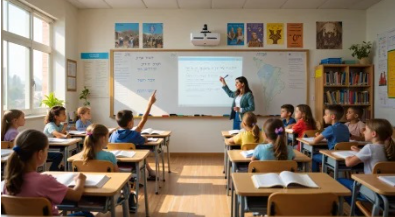
Education works best when it adapts to each learner. Students have different strengths, interests, and learning speeds. A single method rarely fits everyone. As a result, schools are exploring more flexible approaches.
Understanding Diverse Learning Needs
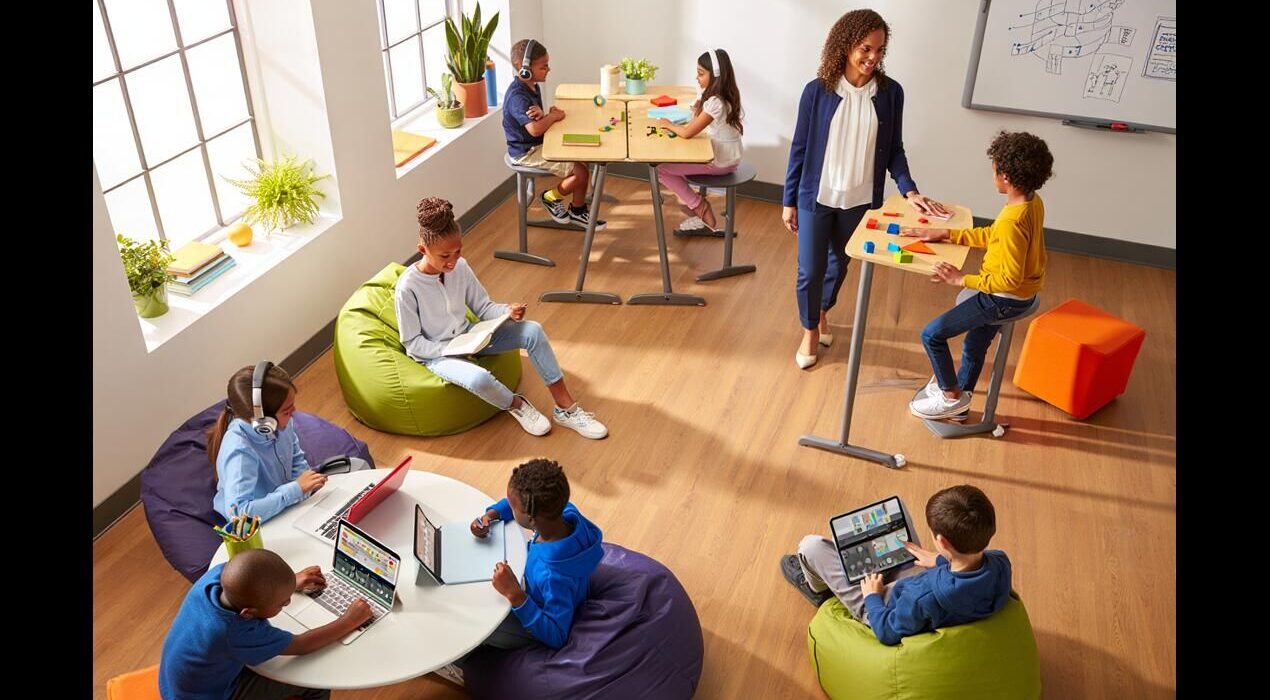
Every student learns in a unique way. Some prefer visual lessons, while others enjoy discussions. In addition, hands-on activities help many learners stay engaged. Therefore, teachers often combine multiple teaching styles. Personalized learning can improve motivation and confidence. For example, tailored assignments allow students to progress at comfortable speeds. This approach reduces frustration and builds independence. Small adjustments often make a big difference.
Role of Technology and Support
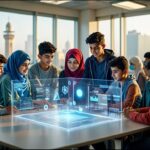
Technology now supports flexible education models. Digital platforms offer interactive lessons and instant feedback. However, technology alone is not enough. Teachers and families still play a key role in guidance. Schools also benefit from strong support systems. Counseling, mentorship, and peer programs encourage balanced growth. In addition, inclusive classrooms promote respect and collaboration. These elements create positive learning environments.
Looking Toward the Future
Education leaders continue promoting adaptive strategies. Continuous assessment helps identify student needs early. Consequently, institutions can adjust teaching plans quickly. Open communication strengthens trust among educators and families.
Experts agree that personalization supports long-term success. Diverse learning paths build creativity and critical thinking. In addition, flexible methods prepare students for real-world challenges. This mindset encourages lifelong learning.
Overall, education should recognize individuality rather than uniformity. When schools adapt to learners, outcomes often improve. With collaboration and innovation, classrooms can become more supportive and effective for everyone.