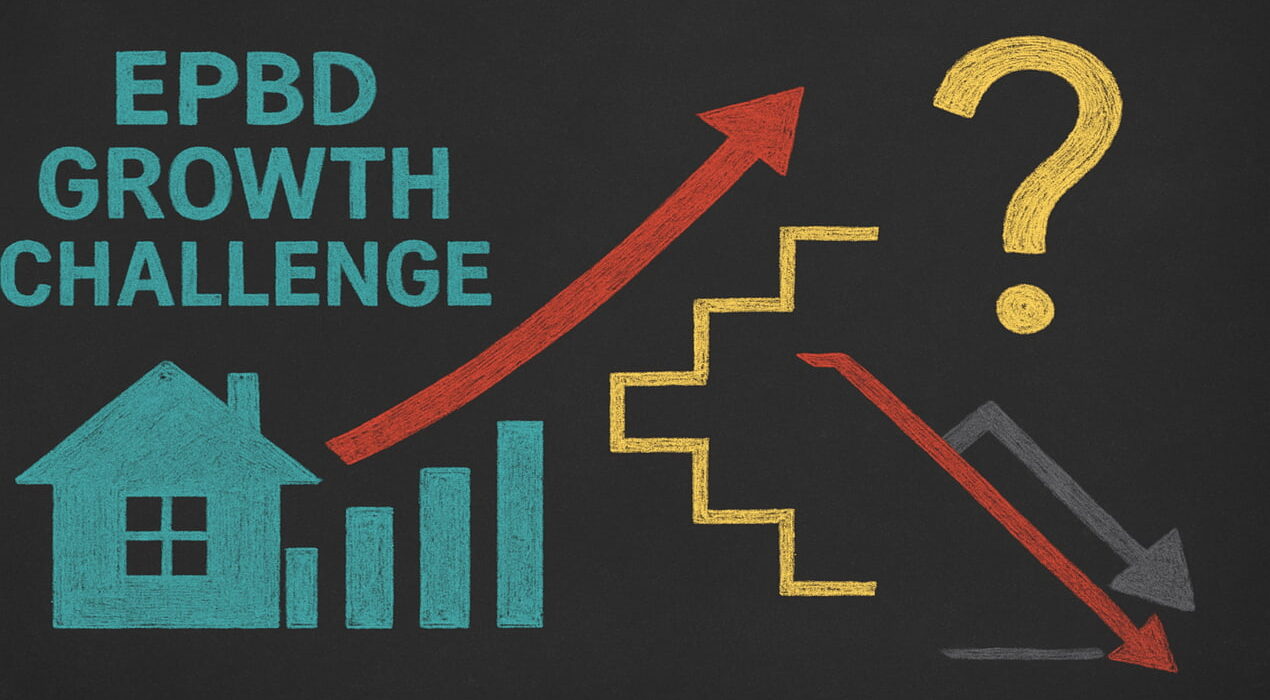
EPBD Growth Challenge Raises Doubts Over Economic Numbers
A leading think tank has questioned official growth estimates for the current fiscal year. The EPBD Growth Challenge highlights gaps between reported figures and on ground realities. As a result, economists urge a closer review of sector data.
The report argues that headline growth hides deeper weaknesses. For example, rising imports boosted numbers without expanding local capacity. Therefore, the growth story appears less sustainable.
Manufacturing growth stood at 5.78%, according to official data. However, machinery imports jumped 13.2%, while mobile phone imports surged 383.5%. In contrast, chemical and pharmaceutical exports dropped 21.2%.
Textiles and Agriculture Show Mixed Signals
Textile exports rose 7.3%, yet cotton based exports fell nearly 10%. Cotton production slipped 1.2%, while ginning dropped 12.1%. In addition, most gains came from finished goods using imported synthetic fibres.
Agriculture also raised questions for analysts. Despite flood damage, the sector showed 2.89% growth. However, important crops declined 0.75%, mainly due to lower cotton output and no wheat harvest during the first quarter.
These trends appear inconsistent. Therefore, experts believe accounting adjustments played a role. The EPBD Growth Challenge stresses that real productivity did not improve.
Industry, Energy, and Accounting Effects
Industrial growth reached 9.4%, driven mainly by utilities. Electricity, gas, and water supply expanded 25.46%. However, this jump relied on subsidies rising from Rs20 billion to Rs118 billion.
Construction posted 21% growth, yet cement output rose only 15%. As a result, analysts question the depth of activity. Gross value addition increased partly because intermediate consumption declined.
The think tank explained that GVA can rise without real output gains. When costs fall for non productive reasons, numbers inflate automatically. Therefore, growth may look stronger than it is.
The National Accounts Committee approved growth across agriculture, industry, and services. However, the EPBD Growth Challenge urges caution. High interest rates, heavy taxes, and costly energy continue to hurt exports.
Imports rose 11% in the first half. Meanwhile, exports dropped almost 9%. As a result, businesses face growing pressure and policy uncertainty.