Europe Cashless Shift Transforms Travel in Italy and Portugal
Travel in Europe is evolving quickly. Italy and Portugal are leading the shift toward digital payments. Therefore, tourists must prepare for a more cashless environment.
Governments across Europe are encouraging electronic transactions. Their goal is to improve financial transparency and reduce illegal cash use. Consequently, businesses now prefer contactless payments.
Why Italy and Portugal Are Moving Away from Cash
Authorities are placing stricter controls on cash transactions. Large cash payments are being discouraged or limited. Businesses are also being encouraged to accept cards.
This move supports broader European policies. Digital payments help reduce tax evasion and financial crime. Therefore, transactions are easier to track and verify.
Many restaurants, hotels, and retail stores now prefer contactless payments. Even smaller shops are adopting digital systems. Consequently, cash is no longer the preferred method.
What Travelers Should Expect
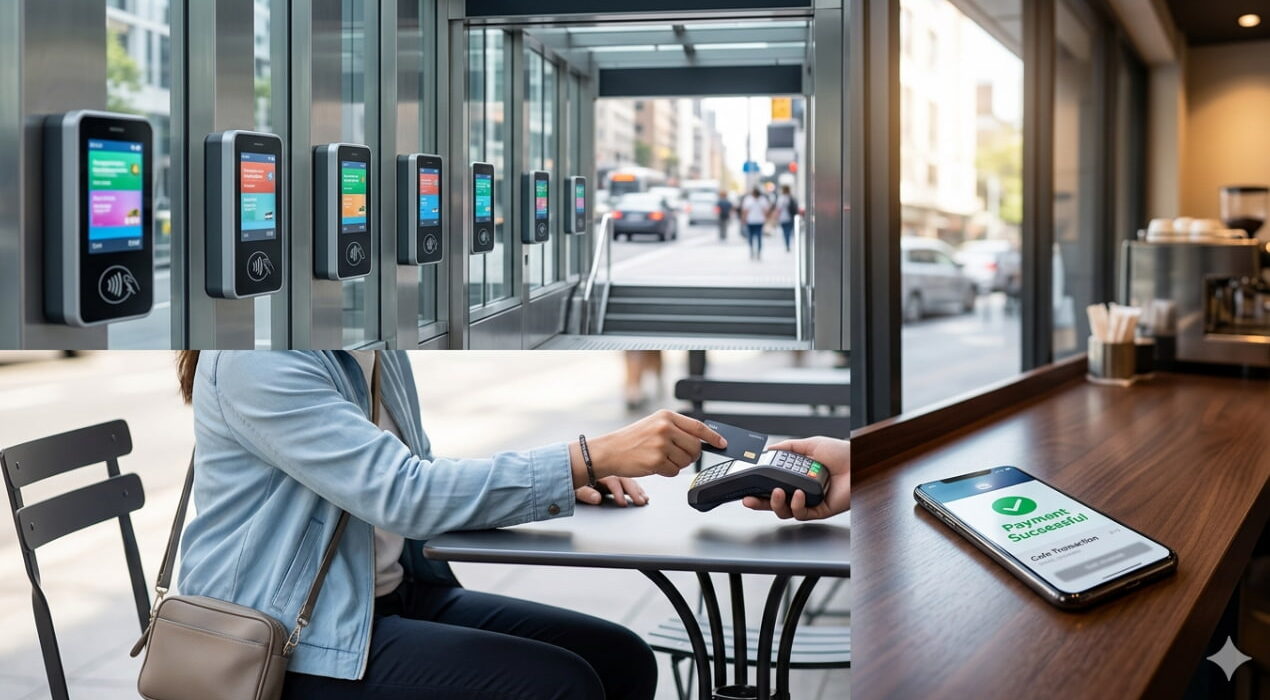
Tourists should expect a more cashless environment. Card payments are widely used in cities. Public transport systems also support digital transactions.
Many services now allow payments through mobile apps. Travelers should carry at least one international debit or credit card. Having a mobile payment option ready is also useful.
However, keep a small amount of cash for emergencies. Some rural areas and local markets may not fully support digital payments.
Official Advice for International Visitors
Inform your bank about your travel plans before the trip. This helps avoid card blocks. Check if your card supports international payments.
Enable contactless features for quicker transactions. Review any foreign transaction fees that may apply. Use secure payment methods and avoid public Wi-Fi for transactions.
Monitor your bank statements during your trip. These steps ensure a safe and hassle-free travel experience.
Benefits of a Cashless Travel Experience
Digital payments offer several advantages. You no longer need to carry large amounts of cash. Payments can be made quickly with a card or phone.
Digital transactions reduce theft risk. Lost cash cannot be recovered, but digital payments can be tracked. Mobile banking apps let you monitor spending in real time.
You do not need to exchange large amounts of money. Your bank handles currency conversion automatically.
Challenges to Keep in Mind
Some banks charge extra for international payments. Check these costs before you travel. Digital payments also rely on internet access.
Poor connectivity may cause transaction delays. Rural regions may still depend on cash. Therefore, always carry a small backup amount.
Smart Payment Tips for Your Trip
Carry at least two payment cards for backup. Use trusted mobile payment apps for convenience. Keep a small amount of local currency for emergencies.
Avoid sharing your card details. Use secure ATMs when withdrawing cash. Track your expenses daily to avoid overspending.
A Glimpse Into the Future of Travel
The move toward cashless payments is not temporary. It reflects a larger digital transformation across Europe. Governments are investing in secure payment systems.
Businesses are also upgrading their technology. This creates a smoother experience for travelers. In the coming years, digital payments may become the norm.
In conclusion, prepare for cashless travel in Italy and Portugal. Carry the right payment tools and stay informed. This change is an opportunity for safer, faster, and more convenient trips.