Europe Climate Economy Impact: Heatwaves Damage Growth
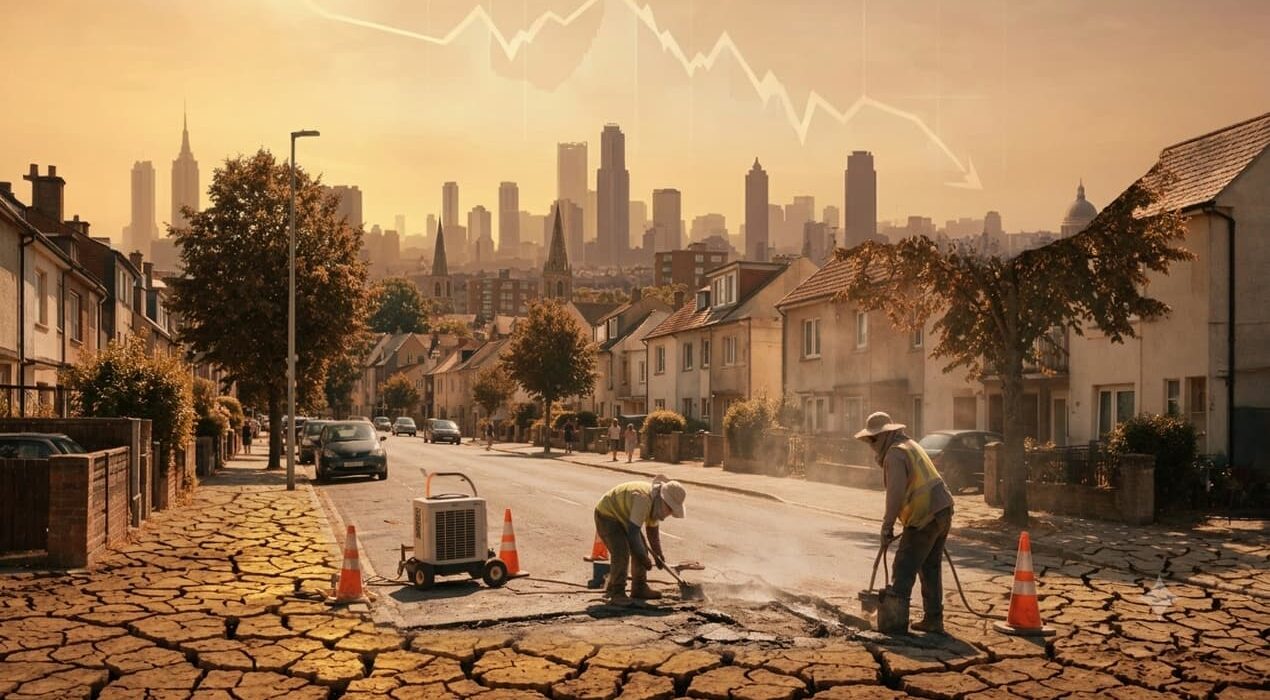
The European climate economy is under pressure after extreme summer heat. This year, record temperatures disrupted daily life and business. As a result, economic losses have already reached billions. Scientists link these events to global warming. Therefore, the damage is no longer a future risk. It is happening now and affecting many sectors at once. Heatwaves, droughts, and wildfires hit together this year. Consequently, their combined impact is severe. Experts warn that costs will keep rising faster than temperatures. Europe is warming faster than other continents. In addition, governments now face higher spending and unstable inflation. These shifts are also changing tourism and transport systems.
Damage to Key Sectors
Low water levels slowed shipping on major rivers. For example, the Rhine and Danube saw reduced cargo traffic. As a result, supply chains faced delays. Power production also suffered due to cooling issues. Meanwhile, crop yields dropped due to heat stress. Crops like maize and sunflower already show losses.
Extreme heat also reduces worker productivity. In addition, it has caused thousands of deaths across Europe. Therefore, both human and economic costs continue to grow.
Economic Growth Under Threat
Economists expect record economic losses this year. Some estimates show GDP declines in major economies. For instance, Germany may lose growth due to shipping disruptions. Insurers also warn about long term damage. As a result, growth in exposed economies may drop by up to 7% by 2030. This trend highlights the growing risk to the Europe climate economy.
Southern Europe Faces Bigger Risks
Southern regions may suffer the most from rising heat. Tourism patterns are already shifting north. Therefore, summer travel to hotter regions may decline. Food prices are also rising faster in warmer areas. Consequently, inflation becomes harder to control. This situation puts added pressure on central banks. Governments must spend more on emergency response. At the same time, they need to invest in long-term solutions. As a result, public debt may increase. Higher debt could pressure policymakers to act. In addition, financial markets may react to rising risks. This creates new challenges for Europe’s economic stability.