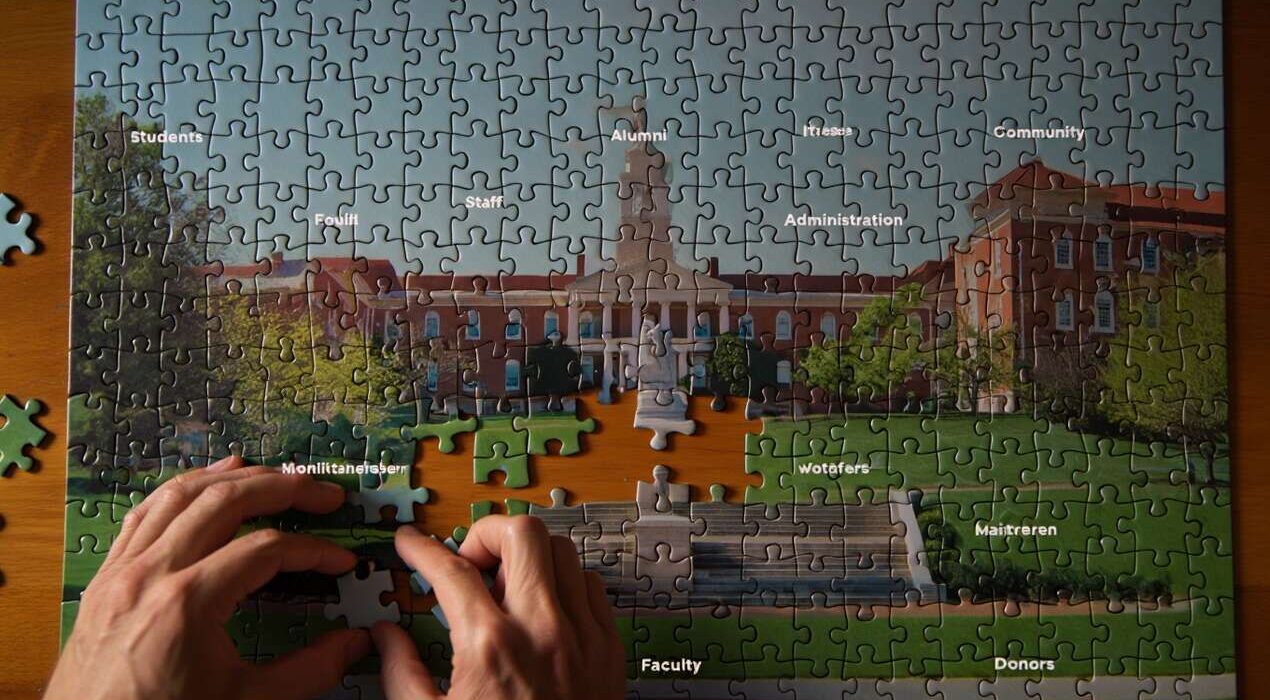
Exploring the Diverse Roles and Perspectives in Modern Higher Education
Higher education is not a monolith. It is a vibrant and complex ecosystem shaped by numerous stakeholders. Each group holds a unique perspective and fulfills a critical role in the institution’s mission and function. Key participants include students, faculty, administrators, staff, alumni, and the broader society. Understanding their interconnected viewpoints is essential. Therefore, exploring these perspectives reveals the true dynamics of the modern university.
The Student Perspective: From Learner to Co-Creator
Students are the core beneficiaries, but their role is evolving. They are no longer passive recipients of knowledge. Today, they are active co-creators in their learning journey, seeking engagement, relevance, and value for their investment. They prioritize skills for employability, personal growth, and inclusive communities. Their perspective challenges institutions to adapt curricula, support services, and delivery methods. Consequently, student voice is a powerful driver for innovation and accountability.
Faculty and Administrative Synergy
Faculty are the heart of the academic mission, balancing teaching, research, and service. Their perspective centers on academic freedom, disciplinary integrity, and mentorship. They navigate pressures between scholarly pursuits and institutional demands. Administrators provide strategic vision and operational stability. Their perspective focuses on sustainability, accreditation, resource allocation, and navigating external pressures from policymakers and the market. The synergy—or tension—between these roles defines an institution’s agility and culture.
The Societal Contract
Ultimately, higher education exists within a broader societal contract. The public and employers expect universities to produce skilled graduates, drive innovation, and address community challenges. This external perspective demands transparency, accessibility, and demonstrable impact. By exploring these varied roles, we see higher education as a dynamic negotiation of values and priorities. Its future depends on how effectively it integrates these diverse perspectives to serve its fundamental purpose: the pursuit and dissemination of knowledge for the public good.