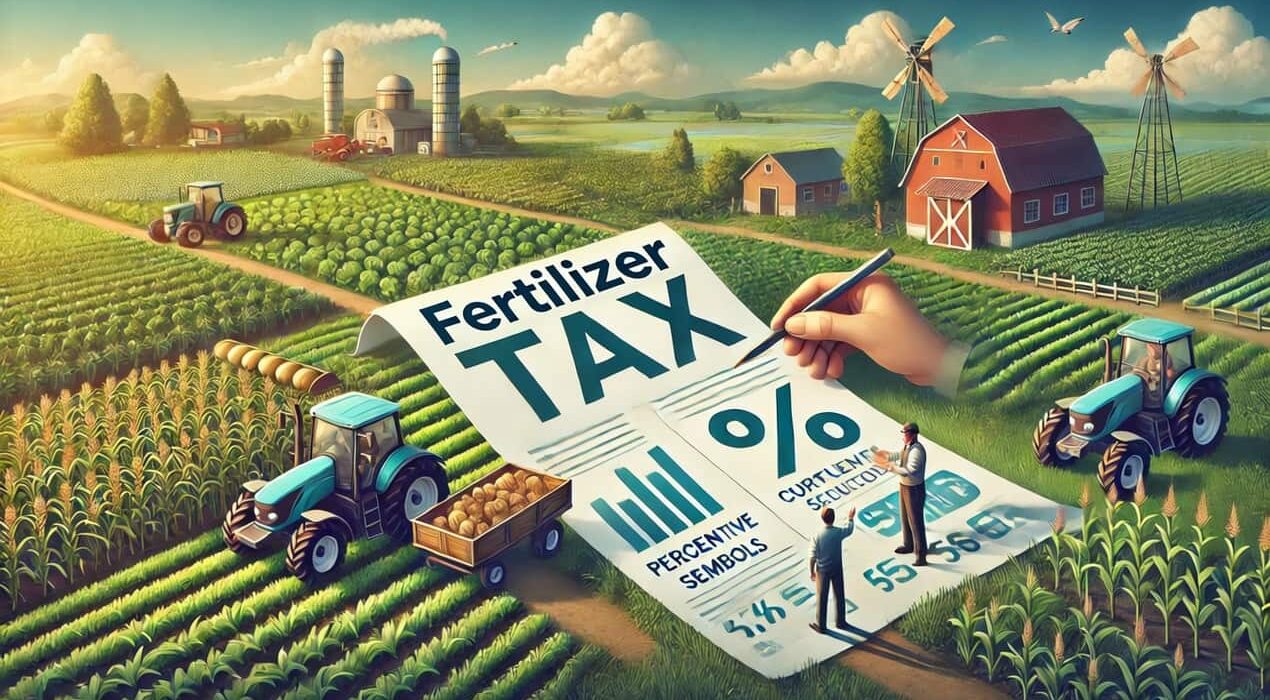
Fertilizer Tax Burden Sparks Dealer Concerns in Pakistan
The fertilizer tax burden is creating serious pressure on dealers across Pakistan. Industry voices warn that new fiscal measures reduce already thin earnings. As a result, many fear disruptions in supply to farmers. The sector operates under strict pricing rules set by authorities. Therefore, dealers cannot adjust prices to absorb rising costs. This situation limits flexibility and increases financial strain.
Impact of New Measures
Recent policy changes have increased turnover-based levies for distributors and sellers. In addition, multiple deductions and compliance costs continue to rise. Consequently, overall expenses now exceed sustainable levels for many businesses. Dealers also face banking fees, transport costs, and storage expenses. For example, logistics alone consumes a large portion of income. These combined pressures weaken the sector’s stability.
Threat to Supply Chain
Shrinking margins may affect the smooth flow of agricultural inputs nationwide. Dealers play a key role in delivering essential products to farmers. However, declining profitability could reduce their operational capacity. Furthermore, any disruption in distribution can directly impact crop production. This outcome may challenge national food security goals. Therefore, stakeholders are urging immediate policy review.
Call for Policy Relief
Industry representatives are asking authorities to reconsider current levies. They suggest reducing financial pressure to protect the supply chain. As a result, farmers would benefit from stable access to inputs. They also stress the need to review additional provincial charges. Balanced policies can support both businesses and agriculture. Ultimately, relief measures can strengthen economic resilience.