Forced Labor Tariffs Spark Global Trade Row as U.S. Hits 60 Partners
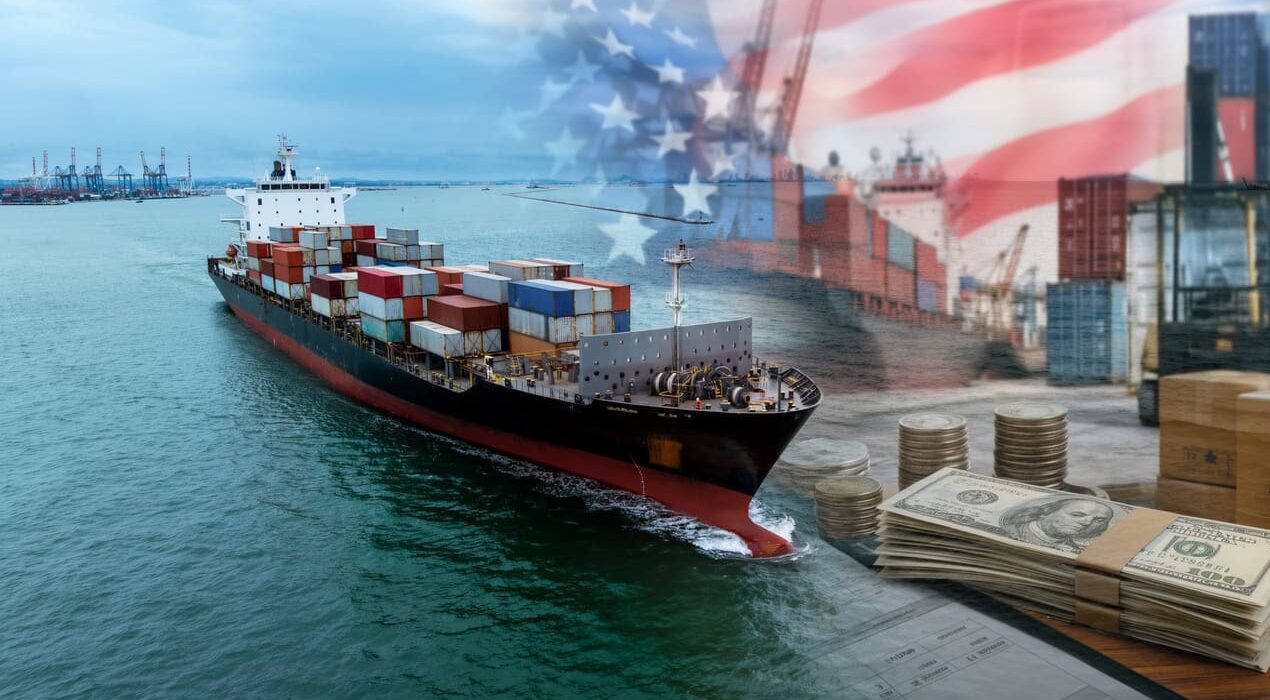
The United States has introduced Forced Labor Tariffs on goods from 60 trading partners. These new duties range from 10% to 12.5%. The policy began as a global tariff expired. As a result, it marks a major shift in trade strategy. However, many countries strongly oppose the move. The White House says the tariffs target goods linked to forced labor. Officials argue this step protects workers and ensures fair trade. In addition, the policy covers 99.4% of all U.S. imports. Still, it excludes key items like oil, gas, fertilizer, and some foods. Therefore, essential supply chains may stay stable.
Global Reaction and Concerns
Many trade partners reject the claims behind the tariffs. For example, countries like China and members of the EU deny any wrongdoing. However, some nations see little immediate impact. Others believe the tariffs may slightly improve existing trade terms. Meanwhile, global markets showed only limited reaction. Bond yields rose slightly due to inflation fears. Yet, investors remained focused on other global issues, including Middle East tensions.
Legal Backing and Next Steps
The U.S. imposed these tariffs under Section 301 of the Trade Act. This legal route is considered more stable after earlier court challenges. Previously, the Supreme Court blocked broader tariffs introduced last year. Therefore, this new step helps maintain a base tariff system. Officials also hinted at further action. A second investigation into “excess capacity” may lead to more tariffs soon.
Key Countries Affected
The U.S. applied a 10% tariff to countries like Pakistan, India, and Canada. These nations already have rules against forced labor but face enforcement concerns. Meanwhile, the EU, Japan, and South Korea received combined rates of up to 12.5%. Other countries, including China and Vietnam, also face higher duties. The European Union responded cautiously. It welcomed alignment with existing agreements but called for continued dialogue. The new tariffs took effect immediately after the old policy ended. However, goods already in transit have a short exemption period. As a result, global trade tensions may rise further. Still, negotiations could shape future tariff rules.