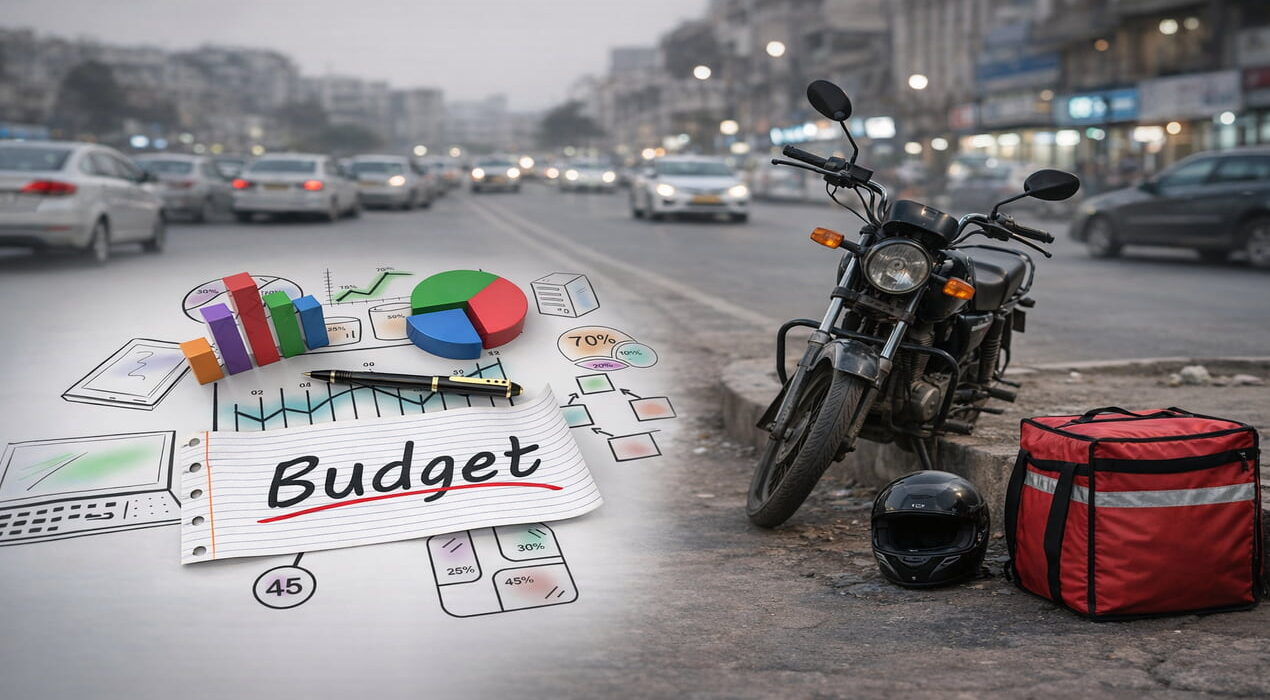
Freelance Rider Crisis Deepens as Budget Ignores Gig Workers
Pakistan’s freelance rider crisis is growing as the budget approaches. However, policymakers seem to overlook these workers. Many riders already struggle to cover basic costs. In Karachi, riders gather outside app marts and wait for orders. For example, Usman completes up to 25 deliveries daily. He earns Rs70,000 monthly before expenses. However, fuel, repairs, and phone costs reduce his income. As a result, he takes home far less. Long hours make the job even harder.
High Costs and Low Protection
Riders work 12 to 14 hours daily on rough roads. In addition, they face heat, dust, and traffic risks. Yet, platforms offer limited support. Habib explains the challenges clearly. If riders fall sick, they pay for treatment themselves. Moreover, health insurance is mostly absent. Some riders even work under another person’s account. Therefore, they lose access to accident coverage. This situation increases their vulnerability.
Earnings Gap Raises Questions
Delivery charges for customers often exceed Rs100. However, riders receive much less per order. For instance, one rider earned only Rs47 for a delivery. No one understands how platforms calculate payments. In addition, priority delivery fees do not benefit riders. The platform keeps most of the extra income. Zain also highlights fuel price issues. When petrol costs rise, rates remain unchanged. As a result, riders absorb the extra expense.
No Voice, No Legal Protection
Riders cannot freely refuse orders. If they decline too often, platforms may block their accounts. Therefore, they feel forced to accept every task. Legally, riders are not employees. Instead, companies label them as independent contractors. This classification removes employer responsibilities. Experts argue this system favors businesses. Meanwhile, workers lack basic rights and security. The law still does not fully address gig work.
Budget Silence Adds Pressure
Riders hoped the budget would bring relief. However, it offers no clear support for gig workers. In contrast, salaried employees may receive benefits. Many riders demand fair pay and realistic targets. Currently, daily targets are nearly impossible. Reaching them requires extreme working hours. Economists suggest funds exist to support these workers. Yet, action remains limited. As a result, the freelance rider crisis continues to deepen.