Global Cancer Burden: WHO Warns Cases Will Rise Sharply
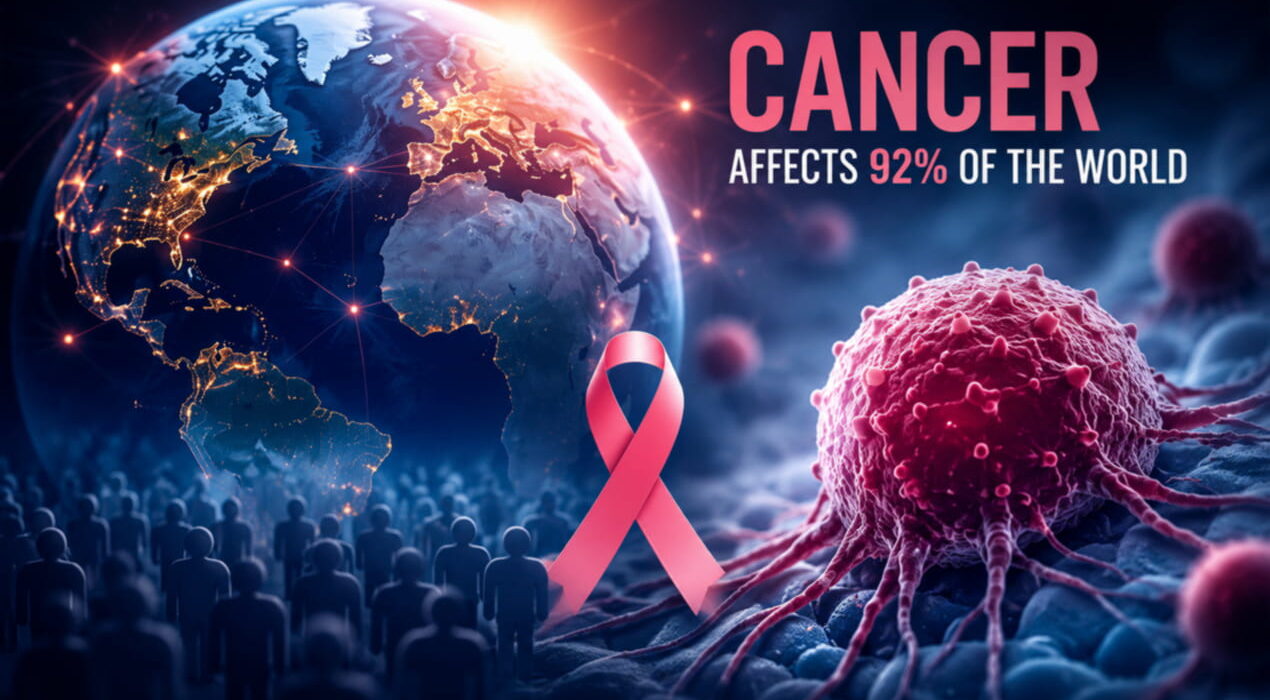
Cancer is becoming a major global health challenge. A new report from the World Health Organization and the International Agency for Research on Cancer says one in five people will develop cancer during their lifetime. The Global Cancer Burden also affects families, as most people will know someone diagnosed with the disease. Experts warn that governments must act quickly to improve prevention, treatment, and early diagnosis.
Rising Cases Put Pressure on Health Systems
Around 20.6 million new cancer cases are reported each year. Nearly 10 million people also die from the disease annually. As a result, cancer remains the second leading cause of death after heart disease. Furthermore, experts expect annual cases to reach almost 35 million by 2050.
Population growth, longer life expectancy, pollution, unhealthy habits, and infections continue to drive this increase. Therefore, health experts stress the need for stronger awareness campaigns and regular screening. Early diagnosis can improve treatment outcomes and reduce deaths. However, many countries still struggle to provide timely healthcare services.
Unequal Access to Cancer Care
The report highlights serious gaps in cancer care between wealthy and low-income countries. Many patients receive late diagnoses because healthcare services remain limited. In addition, essential medicines and radiotherapy are often unavailable or too expensive.
Breast cancer survival reaches 87 percent in richer countries but falls to 42 percent in poorer nations. Childhood cancer shows a similar trend. More than 80 percent of children survive in wealthy countries, while fewer than 30 percent survive in poorer regions.
Pakistan Faces Growing Challenge
Pakistan also reports rising cancer cases among women and children. Thousands of children receive a cancer diagnosis each year, while breast and cervical cancer remain common among women. Delayed diagnosis and limited treatment increase health risks.
Cancer also creates financial and emotional stress for families. Therefore, experts urge governments to invest in prevention, affordable treatment, better healthcare facilities, and essential medicines to protect lives worldwide.