GM Factory Expands Robot Use After Major Workforce Reduction
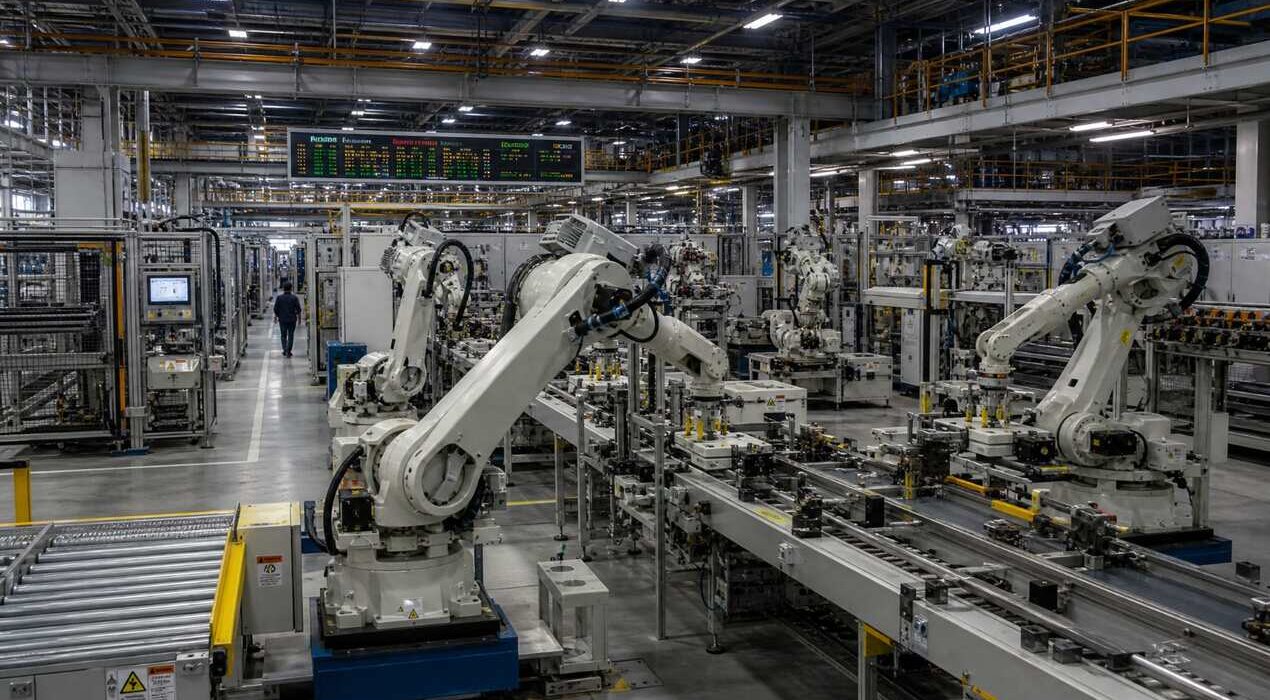
The GM factory automation story highlights a major shift in modern manufacturing. General Motors has reportedly added 50 robots after reducing its workforce by 1,300 employees. As a result, the move has sparked discussions about automation and employment. Manufacturers continue to invest in advanced technology. Companies often seek ways to improve efficiency and increase production. Therefore, automation has become a key part of many industrial strategies. Robots can perform repetitive tasks with speed and consistency. However, workforce reductions often raise concerns among employees and communities. Consequently, the balance between technology and jobs remains a widely debated issue.
Why Manufacturers Are Increasing Automation
Industrial robots help companies streamline production processes. They can operate for extended periods and handle tasks with high precision. For example, robots often assist with assembly, welding, and material handling. Businesses adopt automation to improve productivity and reduce operational costs. As a result, many factories continue expanding their use of robotic systems. In addition, technology improvements have made automation more accessible than in previous years. Supporters argue that robots can enhance efficiency and workplace safety. However, critics worry about the impact on employment opportunities. Therefore, discussions about workforce transitions continue across the manufacturing sector.
What This Means for the Industry
The growing use of automation reflects broader changes in manufacturing. Companies face pressure to remain competitive in a rapidly evolving market. Consequently, many are investing heavily in robotics and artificial intelligence. At the same time, workforce development remains important. Employees may need training to adapt to new technologies and responsibilities. As a result, reskilling programs are becoming a larger part of industrial planning. The latest GM factory automation development illustrates the challenges and opportunities created by technological progress. While automation can increase efficiency, it also raises questions about the future of work. Furthermore, businesses, workers, and policymakers will continue to examine how these changes shape the manufacturing landscape. As automation expands, finding a balance between innovation and employment will remain a critical issue for the industry.