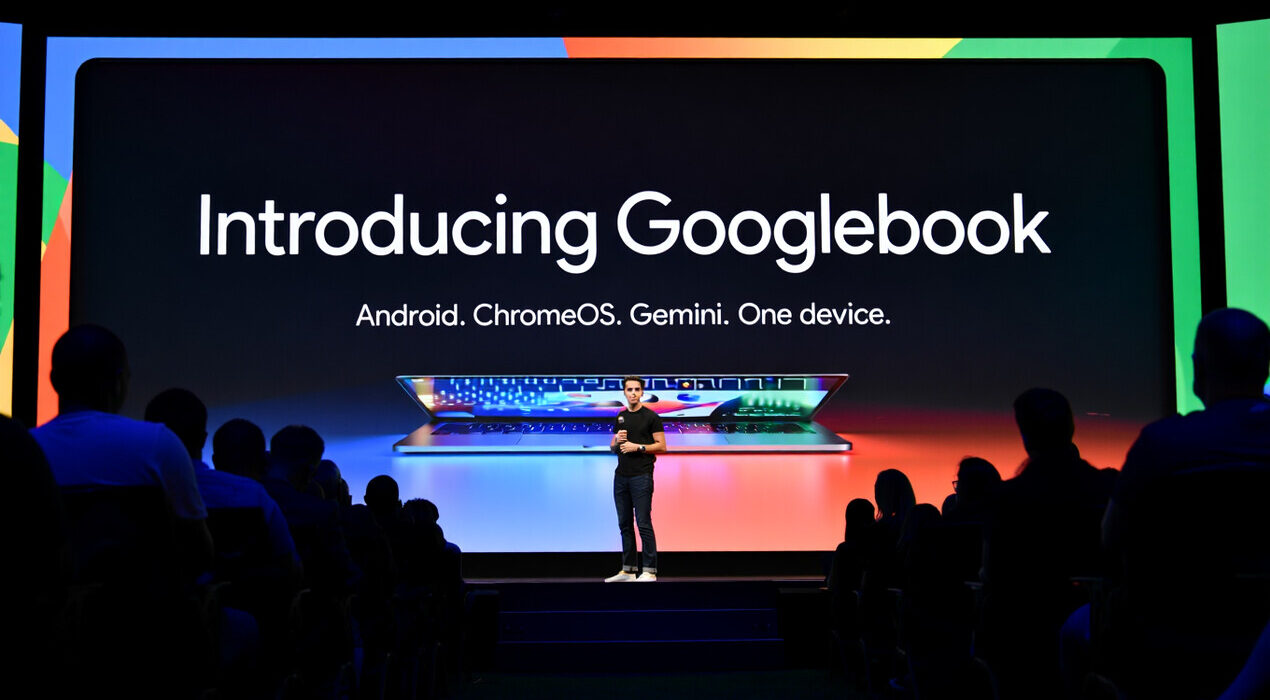
Google Introduces Googlebook, Combining Android, ChromeOS and Gemini AI
Google has unveiled Googlebook, a bold new platform that merges Android, ChromeOS, and the company’s powerful Gemini AI into a unified ecosystem. The move signals Google’s ambition to redefine personal computing by blending mobile flexibility, desktop productivity, and advanced artificial intelligence.
What Is a Googlebook?
Googlebook is designed as a hybrid operating environment, allowing users to seamlessly switch between Android apps, ChromeOS features, and AI‑powered tools. By integrating Gemini AI at its core, Googlebook offers intelligent assistance across tasks ranging from productivity to creativity.
Key Features
Unified App Ecosystem: Android apps run natively alongside ChromeOS applications. Gemini AI Integration: Context‑aware writing, coding, and summarization tools built directly into the OS. Cross‑Device Sync: Smooth transitions between smartphones, tablets, and laptops. Enhanced Security: AI‑driven threat detection and sandboxing for safer browsing. Performance Boosts: Optimized resource management for faster load times and longer battery life.
Market Impact
Googlebook positions itself as a direct competitor to Microsoft’s Windows ecosystem and Apple’s macOS/iOS integration. By combining mobile and desktop environments with AI, Google aims to attract both enterprise users and everyday consumers seeking a more intelligent computing experience. Analysts suggest Googlebook could reshape the future of laptops and tablets, especially if paired with new hardware designed specifically for the platform.
The Takeaway
With Googlebook, Google is betting on a fusion of operating systems and AI to deliver a smarter, faster, and more versatile computing experience. If successful, it could mark the beginning of a new era in personal technology.