Google Plans Wolbachia Insect Method for 64 Million Mosquito Release in US
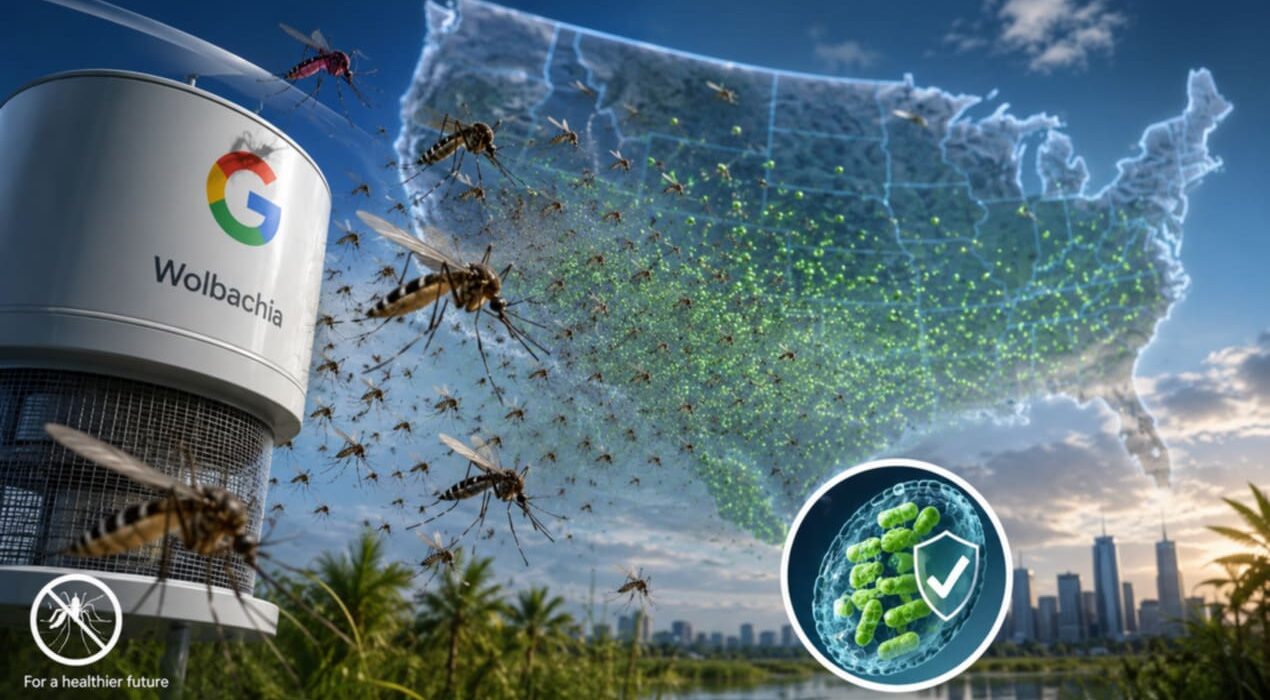
Google plans to seek approval for a large mosquito control effort in the United States. The Wolbachia insect method aims to reduce disease spread through natural population control.
EPA Review Update
The Environmental Protection Agency is reviewing public feedback before making a decision. Officials are assessing a proposal to release male mosquitoes infected with Wolbachia bacteria.
Population Control Strategy
When these males mate with wild females, the eggs do not hatch. This reduces mosquito numbers gradually without heavy chemical spraying.
Global Program Results
Google reports that similar programs have released more than one billion mosquitoes worldwide. These efforts have shown success in reducing mosquito populations and disease transmission in some regions. Other countries have tested related approaches with promising public health outcomes.
The proposal still depends on regulatory approval and continued scientific evaluation if approved the release would occur gradually across selected regions in Florida and California. Experts say ongoing monitoring is important to track environmental impact and disease trends. In addition community awareness can help improve acceptance of the program. Wolbachia bacteria naturally limit reproduction in targeted insect populations. This biological approach reduces dependence on chemical insecticides over time. Scientists continue to study long term safety and effectiveness in urban environments. Public health agencies encourage transparent communication about mosquito control projects. Therefore residents can understand risks, benefits and expected outcomes clearly. For example local outreach programs may explain how mating disruption works in detail. Such engagement supports informed decision making and long term community trust. Officials also highlight that similar releases have been carefully regulated in other regions. As a result, data from past programs supports cautious expansion in new areas. Researchers emphasize ongoing review to ensure ecological balance is maintained consistently. Overall the initiative seeks safer long term disease reduction methods. Careful oversight remains essential throughout. Future monitoring.