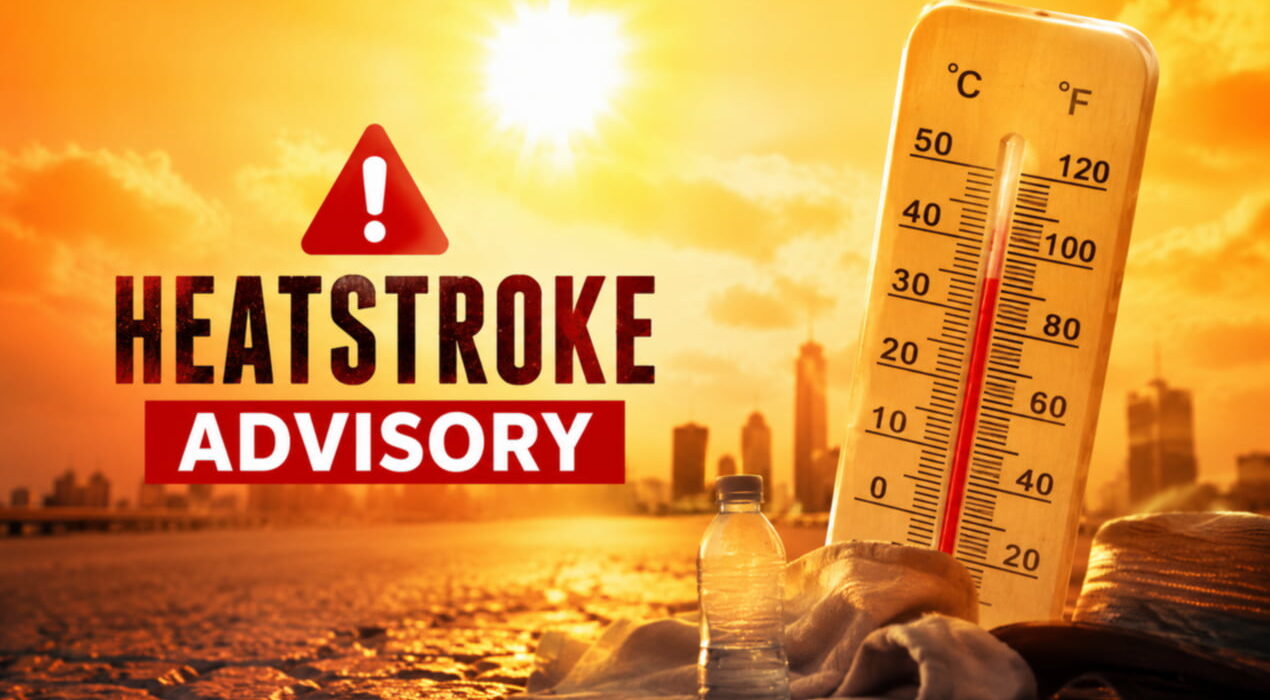
Heatstroke Advisory Issued as Rising Temperatures Increase Health Risks in Pakistan
Health officials have issued a Heatstroke Advisory as temperatures continue to climb across Pakistan. The warning comes from the Center for Disease Control (CDC) at the National Institutes of Health (NIH). Authorities are urging healthcare departments to strengthen preparedness efforts and improve response measures. The goal is to reduce heat-related illnesses and protect vulnerable communities during extreme weather conditions.
Pakistan has experienced more frequent and intense heatwaves in recent years. Experts link these changes to global warming and broader climate shifts. As a result, health risks continue to grow across many regions. Officials warn that prolonged exposure to extreme heat can lead to serious medical emergencies. Therefore, public awareness and early action remain essential.
Heatwaves Increasing Across Pakistan
According to the advisory, rising temperatures are increasing the likelihood of heat-related illnesses. Heatstroke remains one of the most dangerous conditions linked to extreme weather. It can develop quickly and may become life-threatening without immediate treatment.
Health experts also note that older adults, children, outdoor workers and people with existing medical conditions face higher risks. In addition, urban areas often experience higher temperatures due to dense infrastructure and limited green spaces. As a result, authorities are encouraging communities to stay alert during hot weather periods.
Key Steps to Prevent Heatstroke
The advisory recommends avoiding direct sunlight, especially during the hottest hours of the day. People should drink plenty of water and stay hydrated throughout the day. Furthermore, consuming salty foods may help replace minerals lost through sweating.
Officials also advise wearing hats and choosing light-colored, loose-fitting clothing. These simple measures can help the body stay cooler. However, anyone experiencing dizziness, confusion or extreme fatigue should seek medical attention immediately.
Public Awareness Remains Essential
Health authorities stress that prevention is the most effective defense against extreme heat. Public cooperation can reduce the burden on healthcare systems. By following safety guidelines and staying informed, communities can better protect themselves during periods of intense heat and lower health risks significantly