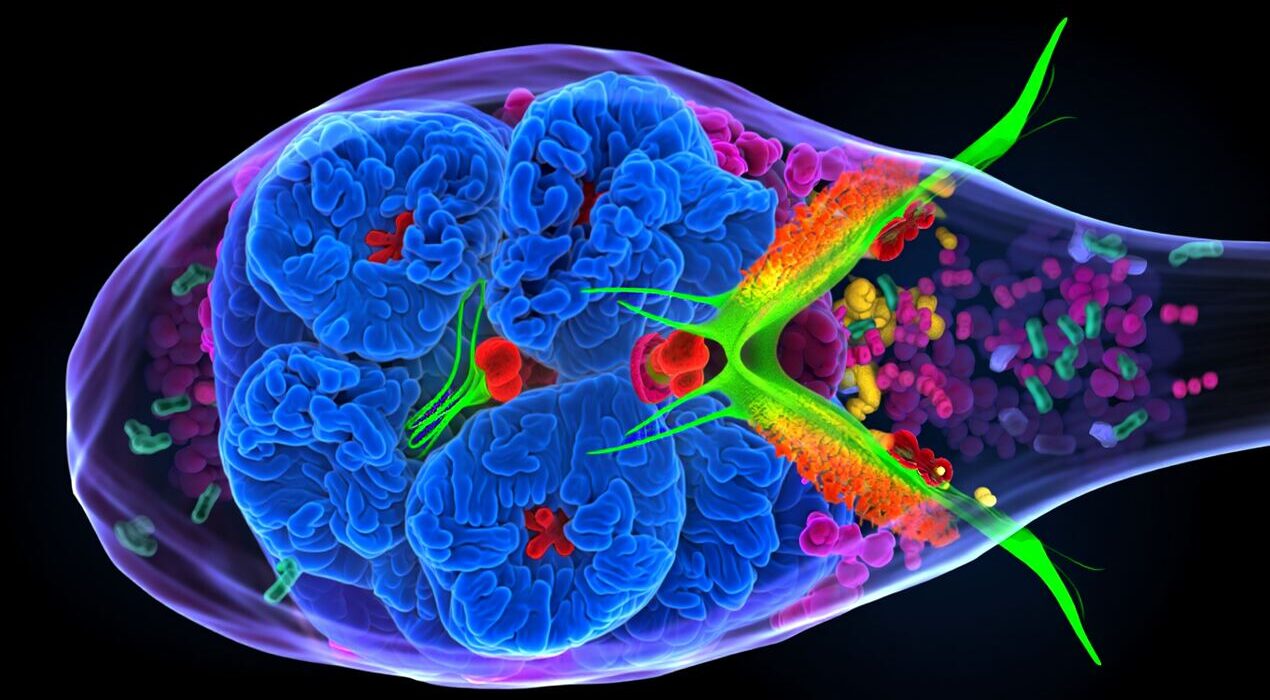
Hidden Cell Mechanism Rewrites What Scientists Know About Cell Division
Cell division depends on perfect timing and balance. However, scientists have now discovered a hidden mechanism that changes this understanding. The finding centers on a protein called CENP-E.Researchers at the Ruđer Bošković Institute led the work. As a result, a long-standing textbook model is under serious revision.
Chromosome Attachment Matters
During division, a cell must split its DNA evenly. Each chromosome needs the correct connection to internal tracks. Therefore, early attachment decides success or failure.Even small attachment errors cause major problems. For example, these mistakes link to cancer, infertility, and genetic disorders.
CENP-E Was Misunderstood
For years, scientists believed CENP-E worked like a motor. They thought it pulled misplaced chromosomes into position. However, the new studies challenge this idea.Instead, CENP-E stabilizes the first chromosome attachments. In addition, it prepares the system so movement happens smoothly later.
Centromeres Guide the ProcessAnother discovery adds clarity to this process. Centromeres help guide CENP-E to the right location. Therefore, chromosome alignment begins correctly from the start.Together, both findings overturn two decades of teaching. As a result, scientists now see cell division as a regulated process, not brute force.Think of a busy city intersection. Traffic flows only when signals work together. Cells operate the same way.Aurora kinases act like stop signals. However, CENP-E balances them, allowing stable connections to form.
Errors in chromosome attachment drive many cancers. By linking CENP-E and Aurora kinases, researchers exposed a shared weak point. Therefore, new diagnostic and treatment ideas become possible.This work reshapes biology and medical research. Ultimately, future therapies may target this early control step.