High-Dose Vitamin B1 Shows Potential to Slow Certain Cancer Cells
Scientists have discovered a surprising link between vitamin B1 and cancer cell growth.
The study shows extremely high thiamine levels slowed some cancer cells.
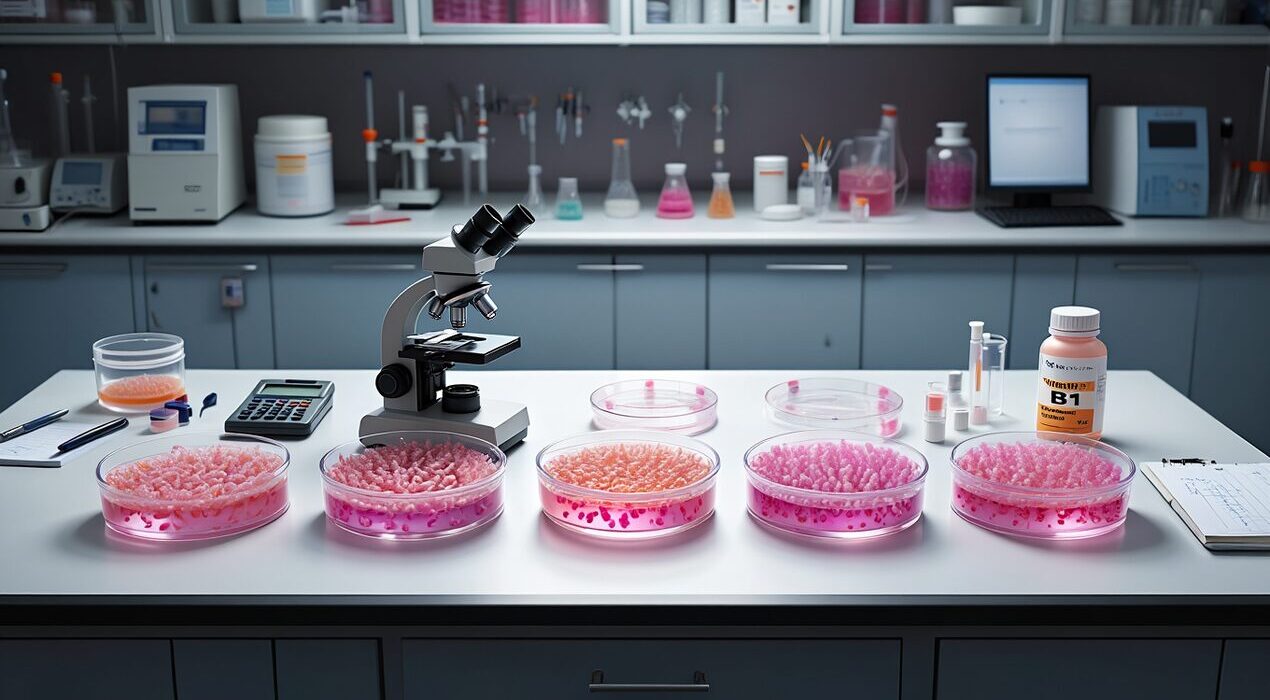
As a result, researchers see new potential for treatment research.Thiamine is also known as vitamin B1. It supports energy production and nervous system health. However, this study tested amounts far above daily recommendations.Researchers focused on fast-growing cancer cells. They examined pancreatic cancer and neuroblastoma cell lines.
Both showed slower growth at very high thiamine doses.The doses exceeded normal intake by over 75 times. Therefore, the effects stood out clearly in lab tests. The results surprised many scientists.
Cancer Cells Reacted
Cancer cells need large amounts of energy to grow. Thiamine plays a key role in cellular energy pathways. In addition, it helps enzymes process nutrients.Scientists believe excess thiamine disrupted these energy systems. As a result, cancer cells struggled to grow and divide. Healthy cells reacted differently under the same conditions.
Important Safety Notes
However, this research remains in early laboratory stages. The tests did not involve people or animals.Therefore, experts warn against self-treatment.No one should take high-dose vitaminB1 without medical advice. More studies must confirm safety and proper dosage. Clinical trials will also be necessary.
This Discovery Matters
This research opens a new direction in cancer science. It shows simple nutrients can affect cancer behavior. For example, vitamins may influence cell metabolism.With further study, thiamine could support future therapies. It may work alongside existing cancer treatments. Overall, this discovery highlights the power of basic biology.