Home Battery Savings UK Cut Energy Bills with Smart Power
Rising energy costs worry many families across the UK. The Home battery savings UK trend is now gaining attention. As a result, more households explore smarter ways to manage power use. At the same time, global tensions may push bills even higher this summer. Therefore, people are looking for long term solutions that actually work.
Why Home Batteries Are Gaining Popularity
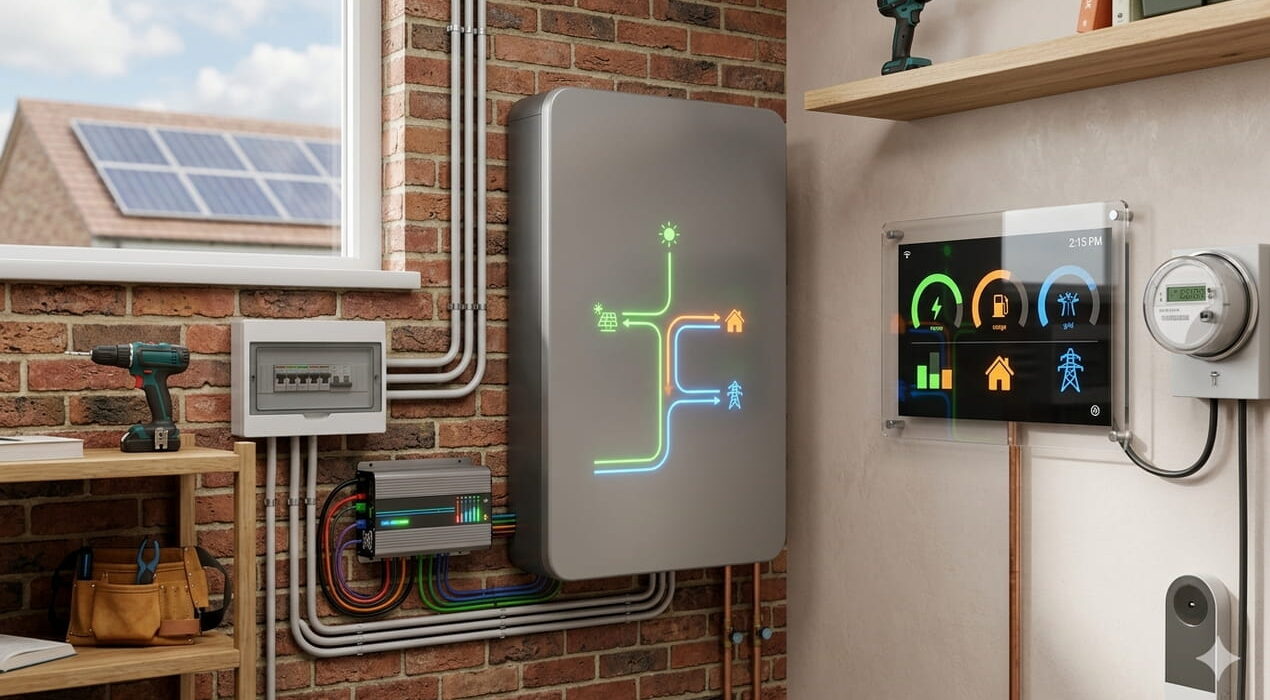
Home batteries store electricity for later use. For example, they can save solar energy during the day. Later, you can use that energy in the evening when prices rise. According to Centrica’s subsidiary Hive, batteries make homes more flexible. They also improve energy efficiency and reduce waste. In addition, falling prices make these systems more accessible. This shift encourages more people to invest in clean energy upgrades.
How Smart Tariffs Boost Savings
However, not every household benefits equally. You need a smart meter to unlock full savings. Without it, fixed tariffs limit cost advantages. Smart tariffs offer variable rates throughout the day. As a result, users can charge batteries when electricity is cheap. Later, they can use stored power during peak hours. Experts like Andrew Sissons from Nesta say active management is key. For instance, apps help track usage and optimize savings.
Costs and Installation Options
Battery costs depend on size and capacity. On average, a system costs around £5,500 for smaller setups. However, prices continue to fall. For example, Octopus Energy offers a 5kWh battery for £3,447. Larger systems cost more but provide longer backup. Similarly, British Gas provides bundle deals. These include solar panels and batteries with flexible payment plans. Therefore, upfront costs become easier to manage.
How Much Can You Save?
Savings depend on usage and setup. In some cases, households can cut electricity bills by up to 87%. For example, a typical home may save nearly £760 annually. This includes savings from avoiding peak rates and selling excess energy back to the grid. Moreover, systems usually pay for themselves within 9 to 13 years. According to the Energy Saving Trust, results vary by location and lifestyle.
Final Thoughts
Home batteries offer a practical way to control rising energy costs. They work best when paired with solar panels and smart tariffs.
Although the initial cost may seem high, long-term savings make them worthwhile. Therefore, households looking for stability should seriously consider this option.