Household Spending Pressure Grows as Pakistanis Struggle With Rising Costs
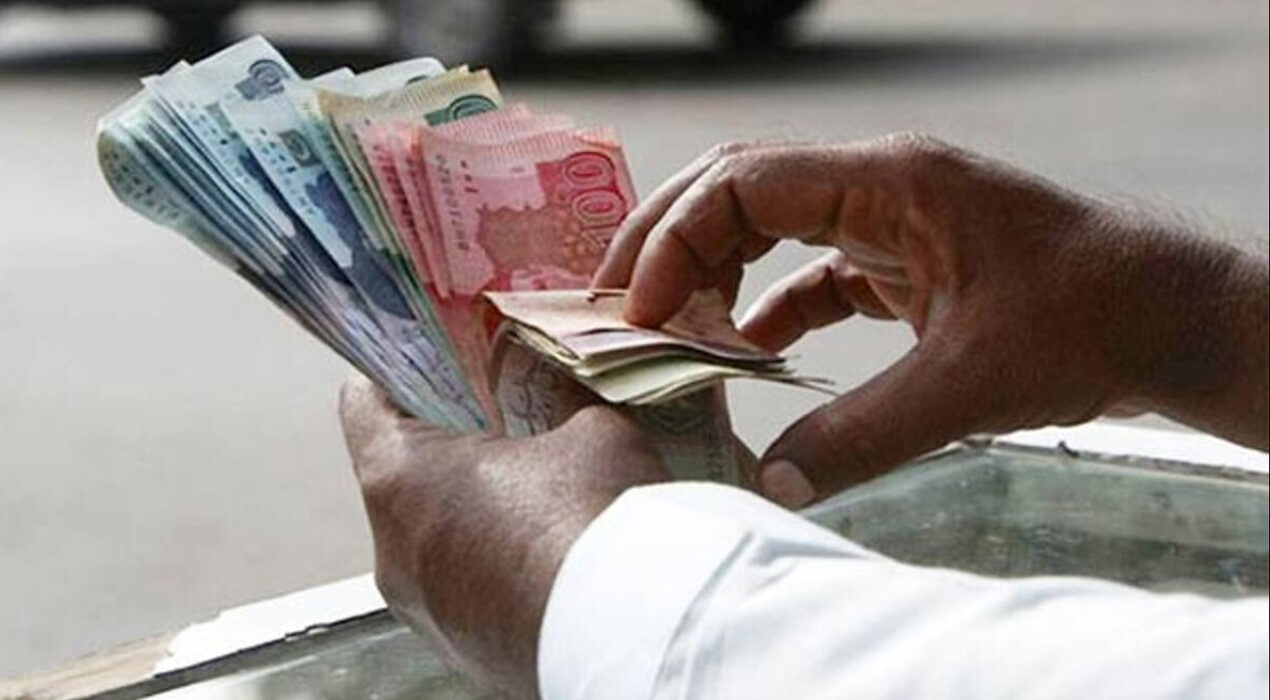
Pakistanis now face intense Household Spending Pressure as basic needs consume most incomes. A new government survey shows families spend two out of every three rupees on food and electricity. As a result, little money remains for education or health.
The Household Integrated Economic Survey 2024–25 highlighted growing financial strain. Moreover, expenses rose faster than incomes due to inflation and living costs. The findings reflect daily challenges for households across the country.
Rising Costs and Uneven Incomes
The survey showed that average incomes increased over six years. However, expenses grew even faster during the same period. Therefore, purchasing power continued to shrink for many families.
Urban households earned more than rural ones. Their average monthly income rose to Rs96,767. In contrast, rural households lagged behind due to limited job opportunities.
Income gaps also widened sharply. The poorest households earned under Rs42,000 per month. Meanwhile, the richest earned over Rs139,000.
Despite income growth, households spent nearly 63% on food and housing utilities. Food alone accounted for 37% of expenses. In addition, electricity and gas pushed housing costs to 26%.
Growing Reliance on Remittances
The survey also revealed increased dependence on foreign remittances. Their share in household income rose to nearly 8%. Gifts and financial assistance also doubled, showing reliance on informal support.
Rural households depended more on remittances than urban ones. This trend reflects fewer local earning options. Consequently, many young people left the country for work.
Spending on education dropped to just 2.5%. Health and recreation together remained below 5%. As a result, investment in human development declined.
Experts linked these trends to inflation, currency devaluation, and IMF-linked reforms. However, they stressed the need for income growth and social protection.
Overall, the survey paints a clear picture. Household Spending Pressure continues to reshape priorities and daily life in Pakistan.