How Early Earth Hid Its Water and Became Habitable, Scientists Reveal
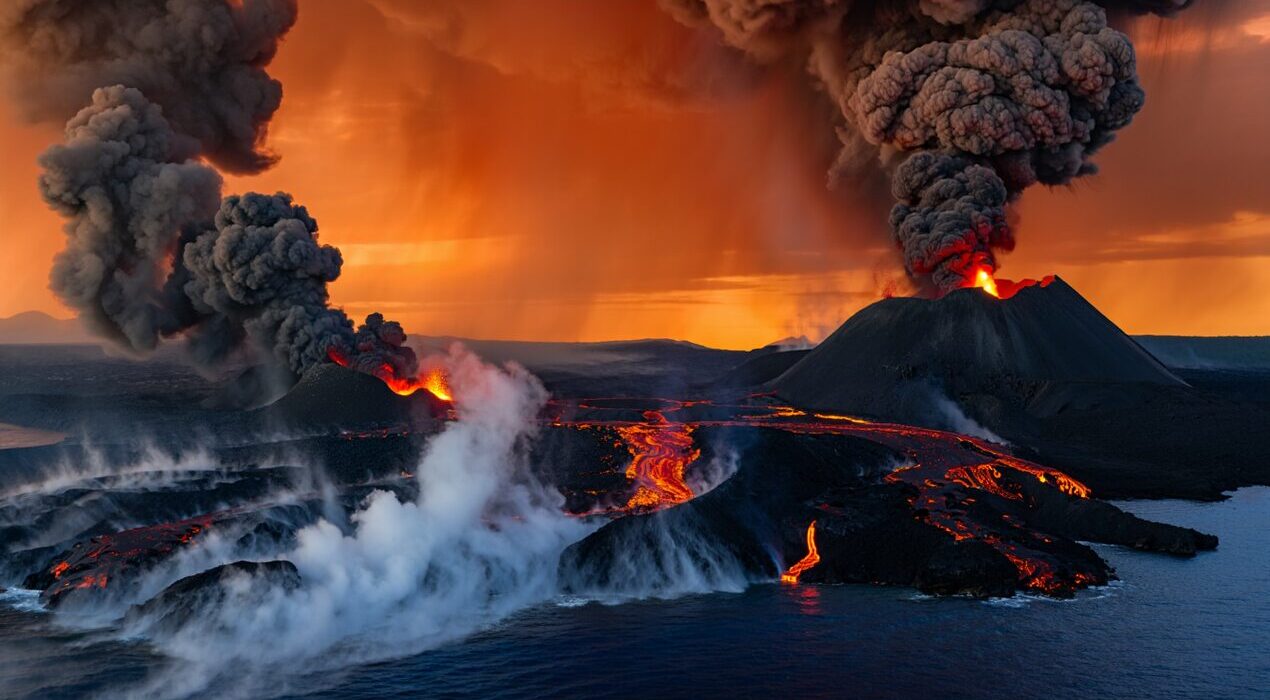
Earth did not begin as a calm blue planet. Instead, it formed as a blazing world of molten rock. During this time, liquid water could not exist on the surface. However, Earth still managed to keep its water. Scientists now believe the planet hid it deep underground. Around 4.6 billion years ago, space impacts constantly struck Earth. As a result, the surface stayed melted for millions of years. This created a global ocean of magma. Therefore, many researchers wondered how water survived such extreme heat. Losing it to space once seemed unavoidable.
New Clues From Deep Inside Earth
A new study led by Professor Zhixue Du offers fresh answers. The team studied minerals found deep in Earth’s mantle. Their work shows that water became trapped as the planet cooled. In particular, a mineral called bridgmanite played a key role. It locked water inside its structure during crystallization. Earlier experiments suggested bridgmanite held little water. However, those tests used lower temperatures. The new study pushed conditions much further. Researchers recreated deep mantle heat using advanced tools. For example, they used laser heating and diamond pressure devices. As a result, they detected tiny amounts of trapped water.
A Hidden Water Reservoir
The findings changed long-held ideas. Bridgmanite stored more water at higher temperatures. Therefore, early Earth’s mantle became a massive water reservoir. Models suggest this storage rivaled today’s oceans. In addition, the trapped water softened mantle rocks. This helped drive plate movement and internal circulation.
From Inferno to Habitable World
Over time, deep water slowly returned to the surface. Volcanoes released it into the atmosphere. Oceans eventually formed. As a result, Earth transformed into a life-friendly planet. That hidden water may have made all the difference.