How Much Sunlight Do You Need Each Day? Experts Explain
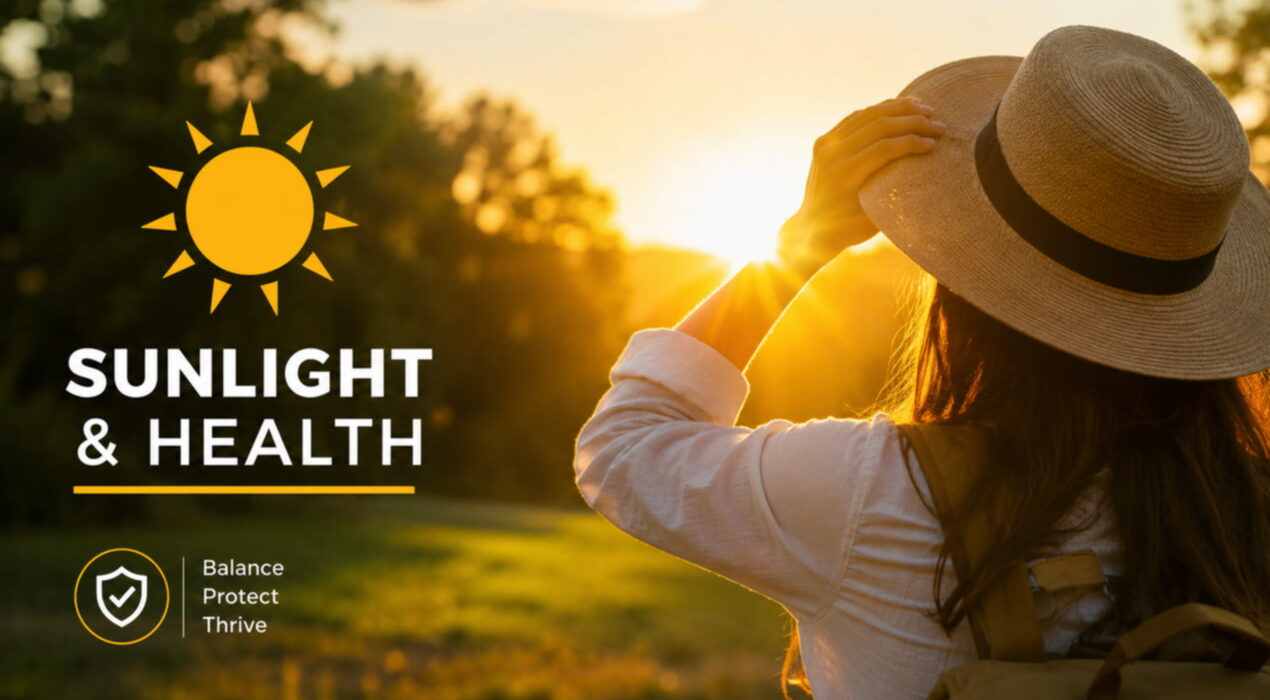
Sunlight plays an important role in human health, but too much exposure can cause harm. Experts recommend regular daylight while protecting the skin from excessive ultraviolet (UV) radiation. Sunlight helps the body produce vitamin D, which supports healthy bones, muscles, and immune function. Natural daylight also helps regulate the body’s internal clock, supporting better sleep and daytime alertness.
Why Sunlight Matters
UVB rays trigger vitamin D production in the skin. However, the amount produced differs from person to person. Skin tone, age, season, location, clothing, and UV intensity can all affect vitamin D production.
Morning daylight can also help the brain recognize day and night. Therefore, regular outdoor light may support healthy sleep patterns and alertness. Research also links natural light with mood and cognitive wellbeing.
Sunlight may offer other effects. For example, UVA exposure can help release nitric oxide in the skin. This process may widen blood vessels and influence blood pressure.
How Much Sunlight Is Enough?
There is no single number of minutes that works for everyone. Experts say exposure needs vary with skin type, age, season, location, and individual skin cancer risk.
People with darker skin generally have more melanin. As a result, they may need longer exposure for vitamin D production. However, longer exposure does not mean greater health benefits.
The UV index provides a better guide than the clock. When UV levels rise, skin and eye damage can happen faster. Therefore, people should limit unprotected exposure during strong UV periods.
Balance Benefits and Protection
Too much UV exposure can cause sunburn, premature ageing, pigmentation, eye damage, and skin cancer. It can also increase the risk of cataracts.
People who receive little sunlight may face a higher risk of vitamin D deficiency. This can affect those who stay indoors, cover most skin, or live in areas with limited seasonal sunlight.
However, vitamin D deficiency does not require excessive sun exposure. Diet and supplements may help when appropriate.
The key message is simple: enjoy daylight regularly, but avoid prolonged unprotected exposure. Use shade, protective clothing, sunglasses, and sunscreen when UV levels are high.