Hungary Leads European Tourism Growth in 2025 with Smart Strategy
Hungary is emerging as a star performer in European tourism for 2025. The country is outpacing traditional favorites like Malta, Cyprus, Spain, and France. This success is driven by a deliberate and intelligent national strategy. Therefore, it offers a compelling case study in modern destination marketing.
A Multi-Faceted and Data-Driven Approach
The nation’s growth is not accidental. It results from a coordinated plan combining digital ease with cultural promotion. Hungary uses data analytics to run personalized ad campaigns in key markets like Germany and the UK. Furthermore, it has simplified online visa processes and promoted digital nomad visas. As a result, entering and staying in the country is more appealing than ever.
A major focus is on promoting unique cultural assets. Budapest’s vibrant ruin bar scene and world-class Opera House are highlighted. Moreover, significant investments have upgraded Budapest Airport and key highways. Consequently, accessibility from across Europe has greatly improved.
Leveraging Unique National Strengths
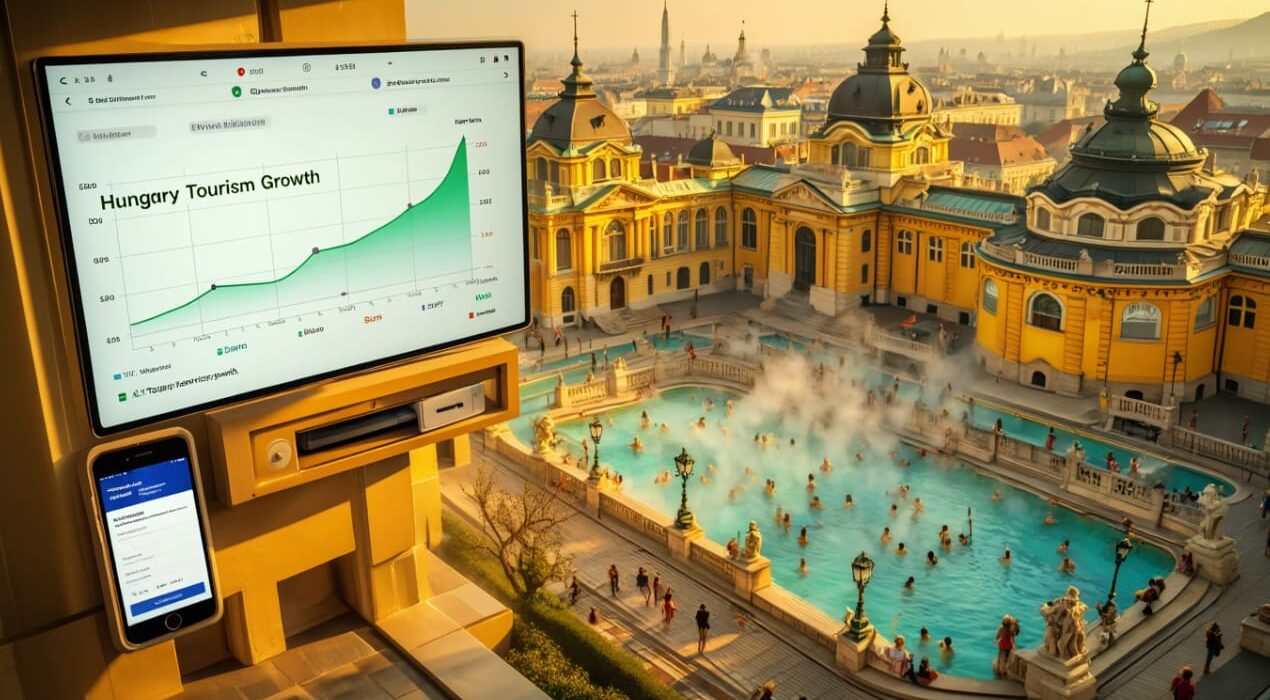
Hungary smartly markets what makes it distinct. It promotes its title as the “Spa Capital of the World,” drawing wellness tourists to its medicinal thermal waters. In addition, the affordability of dining and accommodation offers exceptional value compared to Western Europe. This combination of unique features and smart pricing is a powerful draw.
Regions like Tokaj for wine and Eger for history are becoming destinations themselves. The strategy moves beyond Budapest to showcase the country’s diverse regions. Ultimately, this positions Hungary as a primary destination, not just a stopover.
A Model for Sustainable Tourism Success
This comprehensive strategy is delivering clear results. Hungary is seeing increased visitor numbers, longer stays, and higher tourism revenue. The country has successfully balanced marketing with infrastructure and experience.
Hungary’s 2025 success story provides a blueprint for other nations. It proves that with a smart, integrated plan, even smaller destinations can outperform established giants. The future of Hungarian tourism looks exceptionally bright.