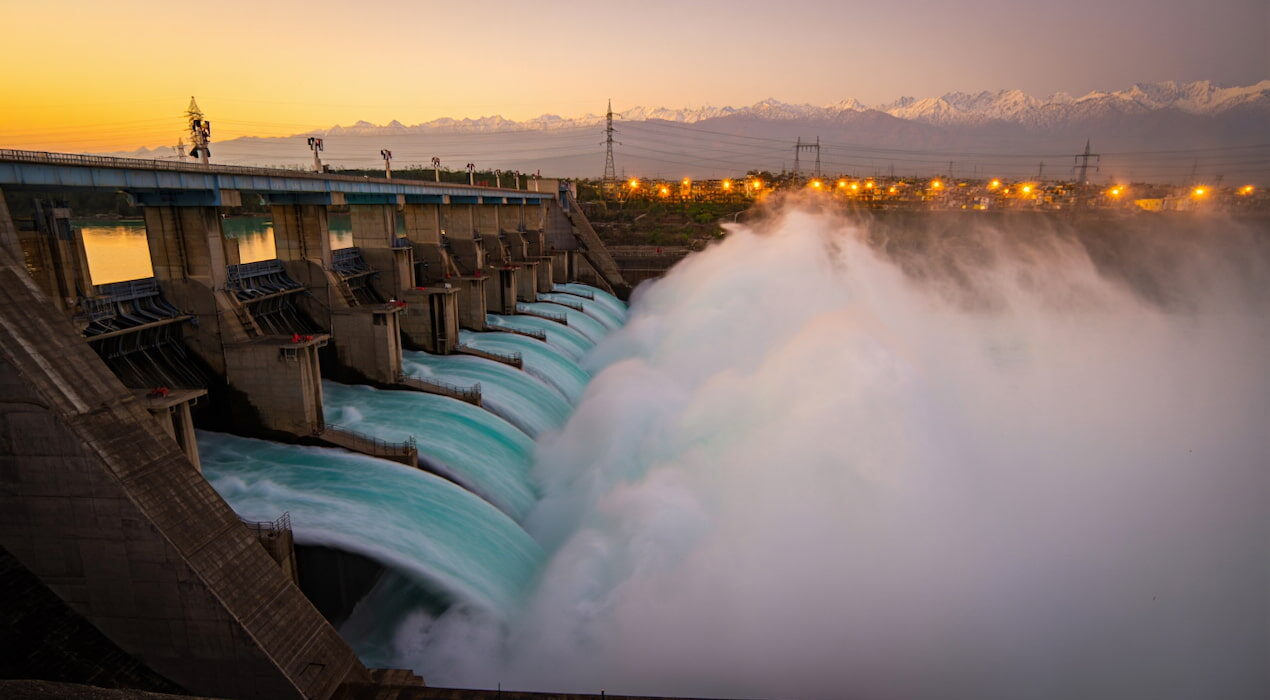
Hydropower Generation Increase Cuts Load Shedding in Pakistan
A recent hydropower generation increase has reduced load shedding across Pakistan. Authorities boosted electricity supply through higher dam discharges in mid-April. As a result, the system handled rising demand more effectively. However, outages have not fully ended yet.
Improved Supply Eases Pressure
The hydropower generation raised output to 6,000 megawatts during peak hours. Increased water releases from Tarbela Dam played a key role. In addition, this improvement strengthened the national grid and ensured smoother power flow.
Officials stated that Pakistan’s total hydropower capacity stands at 11,500 megawatts. With higher water availability, production increased during peak demand. Therefore, distribution companies limited outages to one or two hours in most areas.
Moreover, the system transmitted around 500 megawatts from the southern region to the central grid. This included an additional 100 megawatts supported by better hydel output. As a result, electricity supply improved and pressure on the grid reduced.
Challenges Still Remain
Despite the hydropower generation increase, energy challenges continue. Several LNG-based power plants remain inactive due to global supply issues. These plants have a combined capacity of 5,500 megawatts. Consequently, the country still faces a power shortfall.
Officials clarified that economic load management continues on high-loss feeders. However, this policy differs from peak-hour load shedding. It targets specific areas instead of the entire system.
Experts believe further water releases can improve supply. In addition, better LNG availability may restore idle capacity. Therefore, authorities expect further reduction in outages soon. For now, improved hydropower offers relief, but long-term stability needs balanced energy resources.