IHC Verdict Removes Judge Over Fake Degree Controversy
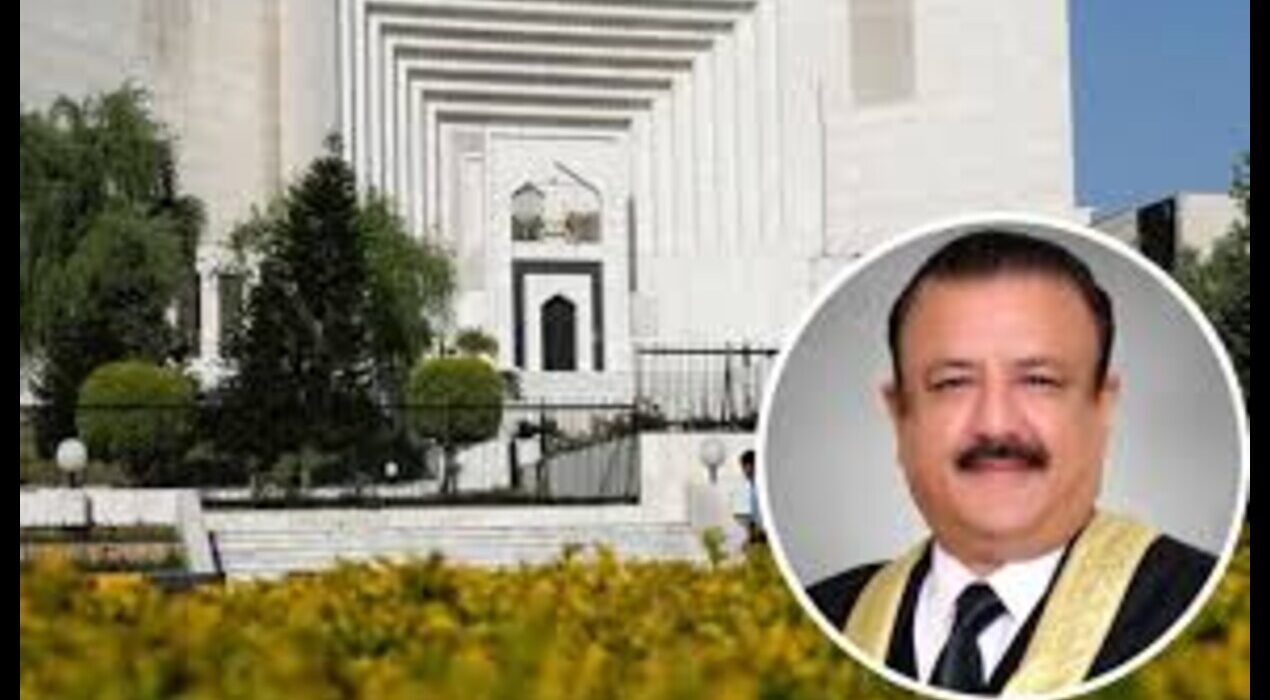
A major fake degree controversy shook the judiciary on December 18, 2025, after the Islamabad High Court removed a sitting judge. A two-member bench ruled that Justice Tariq Mehmood Jahangiri held office illegally. The court found he lacked a valid law degree at the time of appointment.
Judges concluded that he did not possess an LLB when authorities appointed him in December 2020. Therefore, the bench declared him unfit to serve. It ordered the Ministry of Law and Justice to de-notify him immediately.
Court Findings and University Evidence
The Ministry issued the notification a day later. President Asif Ali Zardari approved the decision without delay. As a result, Justice Jahangiri officially lost his position.
Evidence from Karachi University played a key role in the ruling. The university registrar confirmed that the law degree records showed clear manipulation. Officials identified forged enrollment forms and altered personal details.
University files also revealed past misconduct. Records showed the institution banned him for three years in the late 1980s due to cheating. However, officials later found that he passed exams in 1990 despite ineligibility.
The issue resurfaced publicly in July 2024. A leaked Karachi University letter appeared on social media. The document stated that the enrollment number belonged to another student.
Reactions and Legal Challenge
The controversy gained further attention due to Justice Jahangiri’s past actions. He was among six IHC judges who wrote to the Supreme Judicial Council in March 2024. The letter alleged interference by intelligence agencies in judicial affairs.
Following the ruling, Justice Jahangiri challenged the verdict before the Federal Constitutional Court. Meanwhile, some lawyers and bar councils protested the decision. They described the removal as unjust.
Supporters labeled him a courageous judge and called the ruling his “martyrdom.” However, legal experts stress that integrity remains central to judicial credibility. Therefore, the case continues to spark nationwide debate.